


A horrific construction accident in the heart of Nairobi's commercial hub has thrown a harsh spotlight on illegal building practices.
The disaster has reignited intense scrutiny over real estate enforcement, building code compliance, and structural integrity in the Westlands Nairobi real estate market.
Casualties Confirmed in School Lane Tragedy
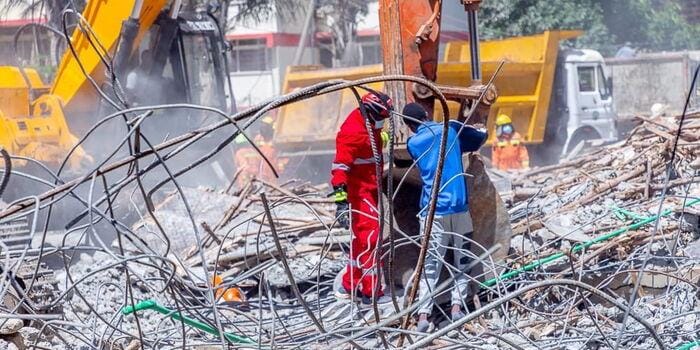
On March 19, 2026, Nairobi Police Commander Issa Mohamud officially confirmed the casualties resulting from the partial collapse. One construction worker was killed and another sustained severe injuries, while two other workers narrowly escaped the falling concrete structure with minor injuries.
Emergency response teams, including the Kenya Red Cross and Nairobi County disaster management units, spent hours combing through the rubble on School Lane to ensure no other laborers were trapped under the collapsed sections of the multi-storey tower.
Crackdown on Unauthorized Night Construction
Following the fatal incident, a multi-agency task force comprising the Kenya Police, the National Construction Authority (NCA), and the Kenya Red Cross launched an aggressive investigation. The probe is primarily targeting developers conducting unauthorized night construction without adequate engineering oversight.
Under existing Nairobi City County bylaws, construction activity after regular hours requires specialized permits and the physical, on-site presence of certified structural engineers. Investigators reveal that rogue developers frequently utilize night shifts to bypass regulatory inspections, rush flawed structural curing processes, and exploit cheap labor away from the public eye.
Nairobi High-Rise Construction and Safety Regulations
As Westlands rapidly transforms into a high-density zone dominated by vertical skyscrapers, compliance with safety frameworks remains critical to preventing structural failure.
To operate a legal and secure construction site in Nairobi, developers must strictly adhere to the following statutory requirements:
- Valid Night Construction Permits: Written clearance from Nairobi City Hall specifying allowed operating hours and noise mitigation measures.
- On-Site Professional Supervision: Continuous oversight by a registered Clerk of Works and a licensed structural engineer during all concrete pours.
- NCA Compliance Signage: A visible, public project board detailing the NCA registration number, approved architectural plans, and structural engineering firm details.
- Enhanced Structural Curing Time: Adherence to statutory timeline requirements for concrete column setting before loading subsequent floors.
The NCA has warned that developers found guilty of conducting unapproved nighttime masonry work or violating building safety limits will face immediate site asset seizures, permanent revocation of development approvals, and criminal prosecution for manslaughter.