

Nairobi has never needed an introduction to meat. From neighbourhood nyama choma joints to family gatherings and weekend outings, grilled meat has long been part of how the city socialises. But the way Nairobians experience meat is expanding, with greater interest in the people turning BBQ into a specialised craft.
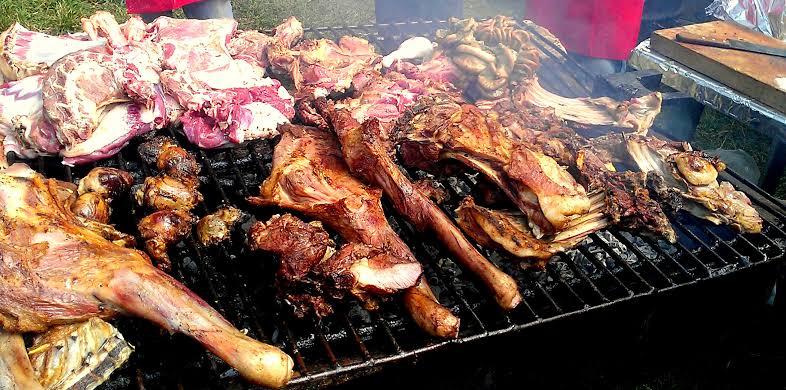
This trend reflects how Nairobi’s familiar food culture is embracing new techniques and exploring different flavours while creating fresh opportunities for people to connect over food.
From the Grill to a Growing Craft
BBQ brings a different approach to cooking meat, with some pitmasters focusing on controlled temperatures and wood smoke to develop flavour and tenderness over longer cooking times. Smokers, seasonings, rubs and sauces become part of the process, giving cooks room to develop their own techniques.
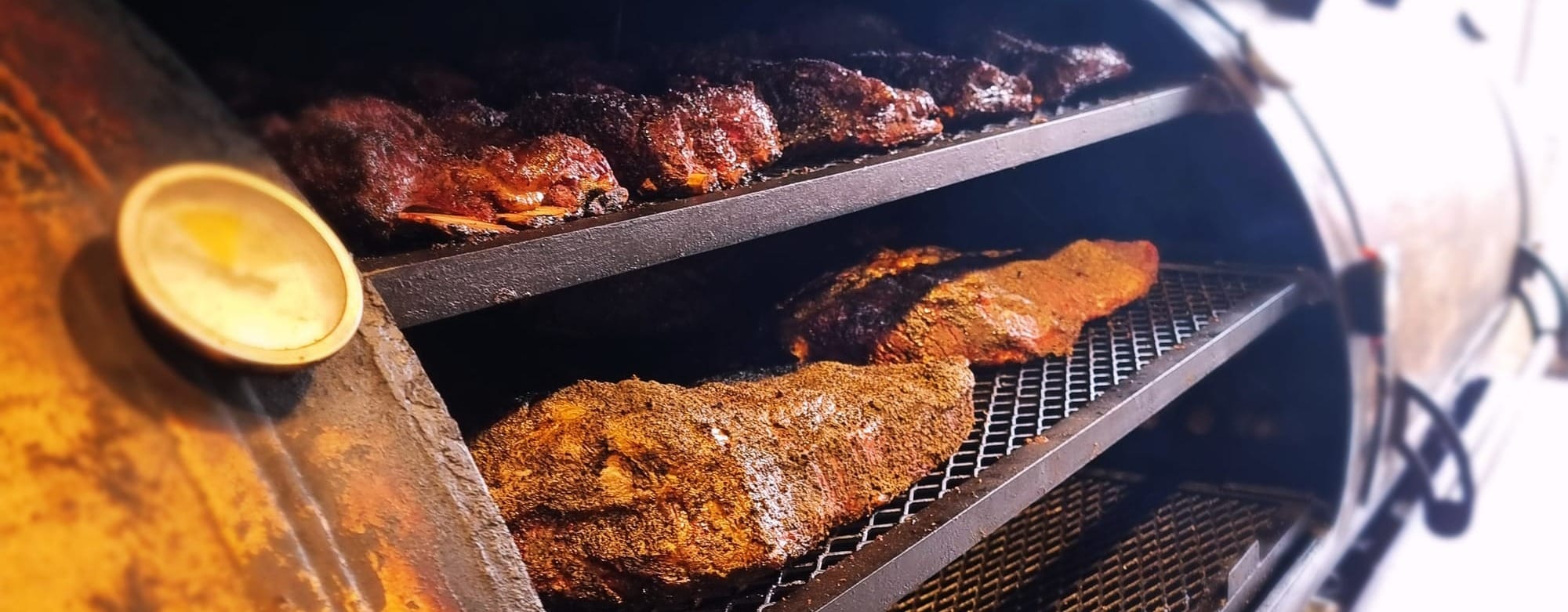
For Nairobi, the interesting development is how this craft is becoming an experience in its own right. People are not only interested in eating the finished product. They can also become curious about how it was prepared, the equipment involved and the person behind the grill.
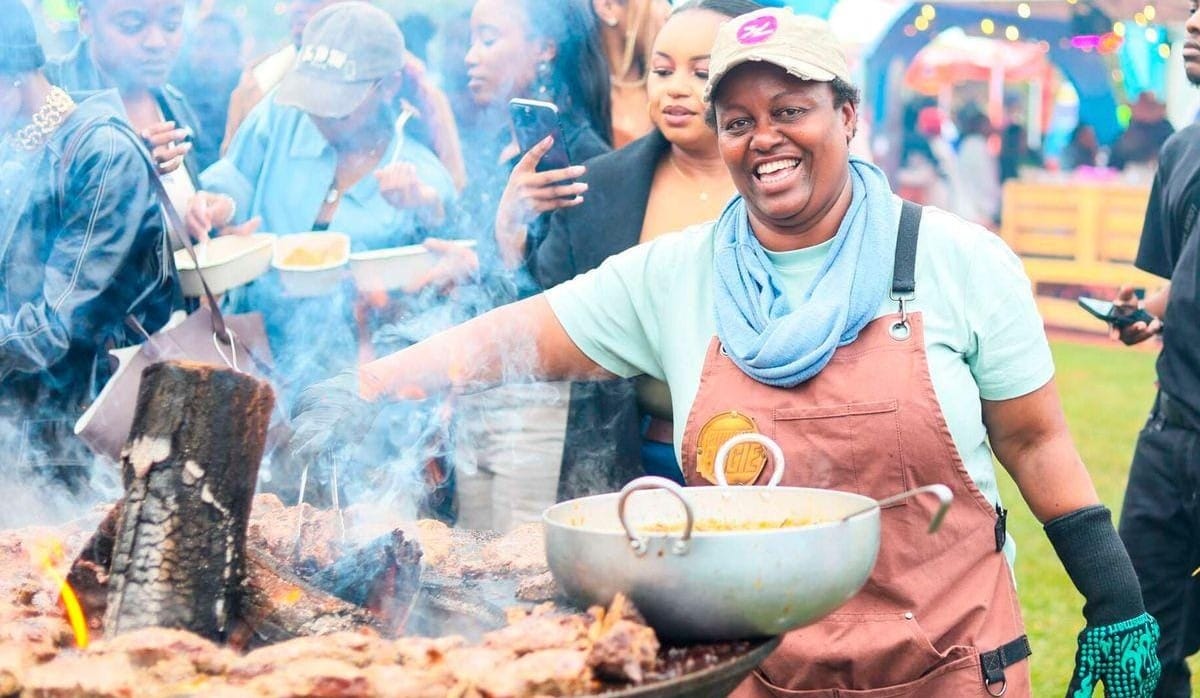
Westlands has long been known as the place where food and entertainment intersect. Since the emergence of the "low and slow" BBQ pitmaster scene in Nairobi around 2014 to 2017, its dining spaces and event venues have consistently provided settings where people can gather around food while enjoying music and other experiences. Grill Masters activations have happened in various Club Houses bringing meat pairings and live entertainment. Several neighbourhood restaurants have also experimented with BBQ dining experiences that combined grilled food with a social atmosphere.

Pitmaster Sam of BBQ Adventures & Events Kenya is among the people working to build this community. His vision extends beyond preparing food, focusing on bringing people together through BBQ while creating opportunities for local culinary talent.
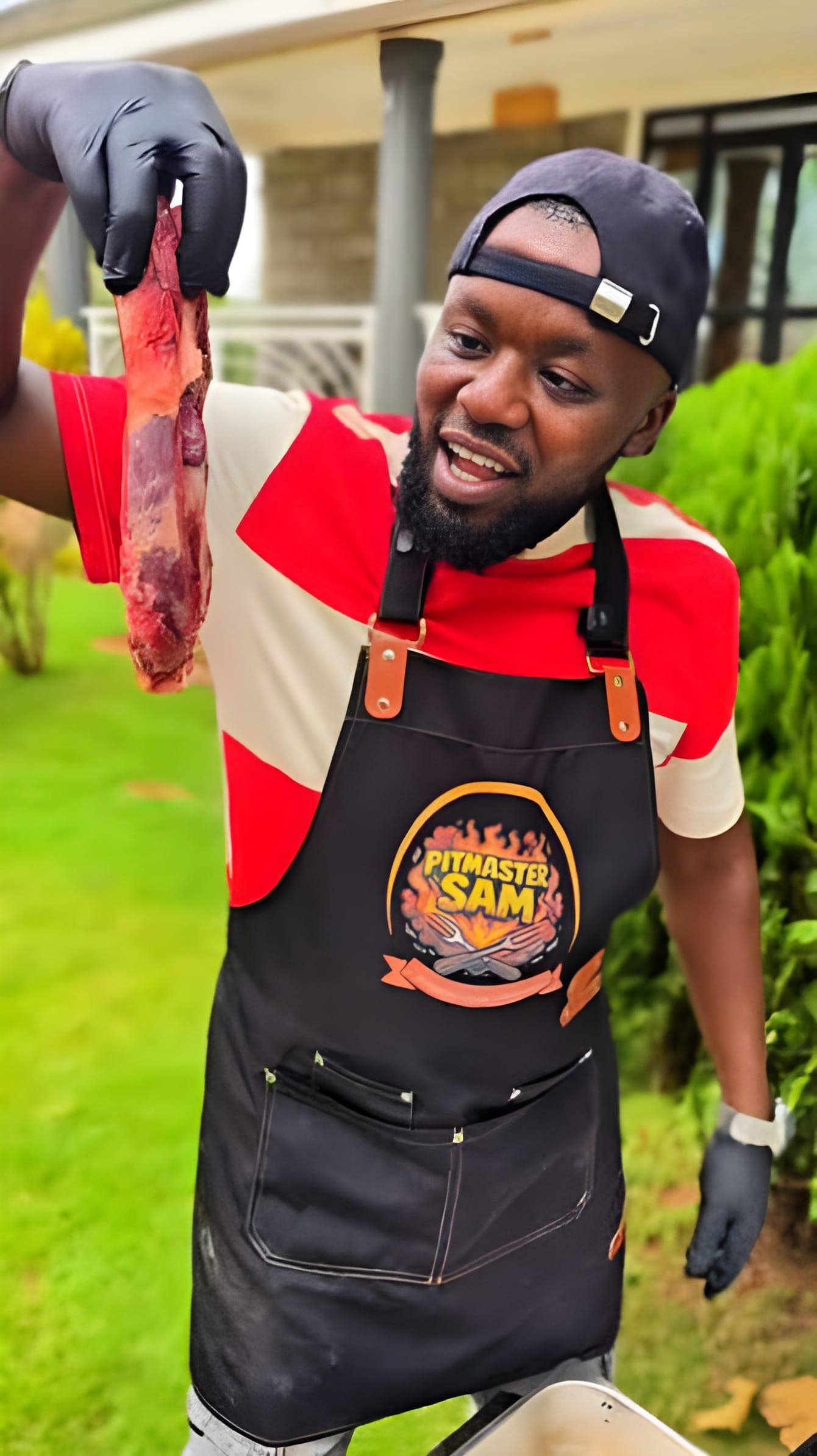
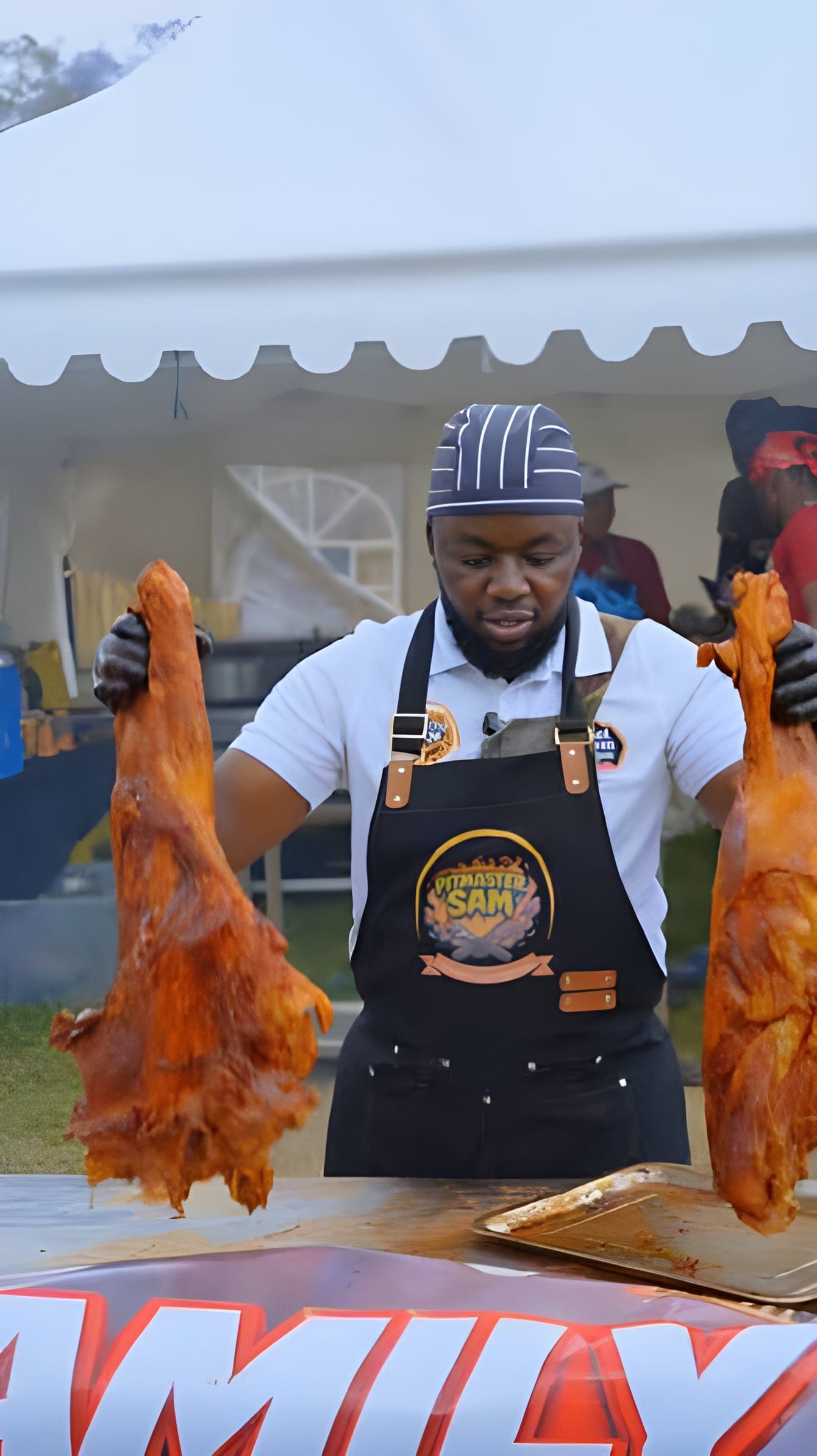
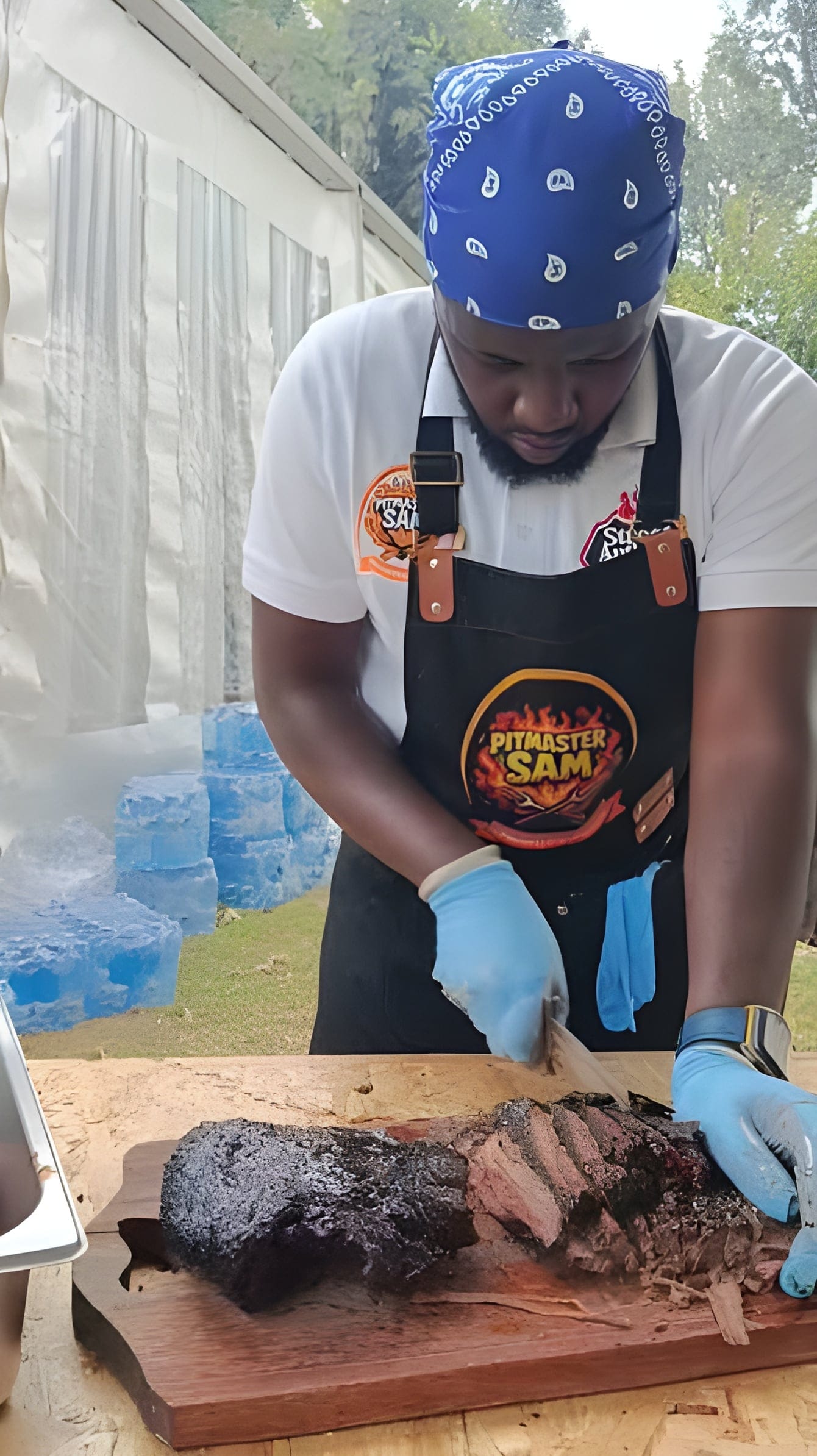
This approach recognises the different people who make the scene possible. Pitmasters bring their skills and cooking styles, while suppliers provide the meat, seasonings, smokers and grills that support the craft. Food businesses can introduce new offerings, and enthusiasts have opportunities to discover flavours and techniques they may not have encountered before.
Sam’s work also reflects how events can connect these different parts of the BBQ ecosystem. His two-day programme at Sarit Centre separates the industry side of BBQ from the shared experience of enjoying it with others, demonstrating how the craft can create opportunities for the wider community.
While Kenya’s relationship with nyama choma remains deeply rooted in local food culture, BBQ Pitmasters bring their own techniques and influences as well as constant experimentation. Their coexistence creates room for culinary exploration. A person who enjoys street-style nyama choma can also appreciate slow-smoked meat, just as a pitmaster can draw inspiration from familiar local ingredients and tastes.
Nairobi’s BBQ culture is still evolving, and its future will depend on the people who continue to develop the craft and build an audience around it. Pitmasters such as Sam are contributing to that process by creating spaces where food and community can come together.