


A week in Kilimani works best when you leave room for both a routine and a little improvisation. Think of each workspace as a choice you can adjust to the day.
- Build a work rhythm that leaves space for Nairobi’s changing pace.
- Compare cafés and coworking spaces by the work you need to do.
- Check practical details before settling in for a long session.
- Make connections at your own pace, without turning every day into networking.
- Protect time away from work so the city can become more than your backdrop.
Monday: Settling into a workday in Kilimani
Your first Monday in Kilimani is less about perfecting a schedule than finding a rhythm you can repeat. Give yourself room to learn how your day moves, from the journey to your workspace to the point when you need a proper break. A little flexibility is useful: the routine that works on paper may need adjusting once you are here. Start with the shape of the work, then choose the setting to suit it.
Setting up a routine around Nairobi’s pace
A good routine gives your day a few dependable anchors without assuming every hour will unfold exactly as planned. You might reserve the clearest part of the morning for concentrated work, then keep lighter tasks for later, when you have a better sense of how the day is going. Leave margin around appointments and travel rather than stacking commitments tightly together. That small buffer can make your week feel less like a race.
Choosing between a café and a coworking space
The choice is easier when you begin with what the day asks of you: quiet concentration, a change of scene, or access to a more work-focused setting. A café can suit a short, self-contained task; a coworking space may make more sense when you need a desk for longer or expect a busy schedule. Neither option is automatically best, and you can mix them across the week. Use this comparison as a starting point, not a rulebook.
| Workday need | Café may suit | Coworking space may suit |
|---|---|---|
| A short writing session | A relaxed change of scene | A dedicated place to focus |
| Several hours of work | If seating and conditions allow | If you want a more structured day |
| A call-heavy schedule | If you can find a suitable spot | If a quieter work setting is available |
| A flexible day out | If you are happy to keep plans simple | If you prefer to settle in for longer |
The useful distinction is how much structure your work needs, not which setting sounds more appealing. Before you set off, think about the task, how long you will be there and whether you need to speak with anyone. For a wider view of the decision to base yourself here, read this overview of Nairobi as a remote-work base.
Planning for calls, power and internet reliability
Treat calls and connectivity as things to plan for, rather than assumptions you can leave until the moment you need them. Check the venue’s current arrangements before committing to a long work session, and have a backup plan for important meetings. Keep devices charged when you can, and consider what you would do if your first-choice workspace does not suit the day. A few minutes of preparation can spare you an awkward scramble later.
Tuesday: Finding the right remote work cafés in Kilimani
By Tuesday, you may be ready to try a different setting and see how it changes your focus. The appeal of remote work cafes Kilimani has is not just a table and a drink; it is finding a place whose atmosphere fits the task you brought along. What feels lively and energising one day may be distracting the next. Let the work set the criteria, and give yourself time to notice what suits you.

Comparing atmosphere, seating and noise levels
A café can feel comfortable at first glance and still be a poor match for several hours of work. Notice whether the seating works for the length of your visit, whether the room feels busy, and how easily you can concentrate amid conversation and movement. Your own tolerance for background noise matters as much as the room itself. If you have a sensitive task, choose accordingly rather than hoping you will tune everything out.
Checking practical details before settling in
Before opening your laptop, take a moment to check the basics that will shape the visit: whether you can sit comfortably, whether the connection suits your needs and whether you can stay for the time you have planned. Conditions can differ from one place or day to another, so asking politely is better than relying on an assumption. It is also sensible to keep a second option in mind if the space is full or not working for you. A quick check lets you settle in with fewer interruptions.
Making café work considerate of staff and other customers
A café is a shared business, not simply an extension of your home office, so it helps to be attentive to the people around you. Small courtesies make it easier for everyone to enjoy the space, especially when you are staying for a while. Keep your setup compact and your calls discreet; if the environment is not suitable for work, move on rather than trying to reshape it around your needs. A few habits can keep a long café session considerate:
- Order something and follow the café’s expectations for staying.
- Keep your belongings and equipment within your own space.
- Use headphones and take calls quietly or elsewhere.
- Be ready to free up a table when the space is busy.
These are simple gestures, but they change the tone of a visit. You can work comfortably while remembering that the staff and other customers are sharing the room with you. That balance is part of finding a good café routine, not an extra chore.
Wednesday: Working from co-working spaces in Kilimani
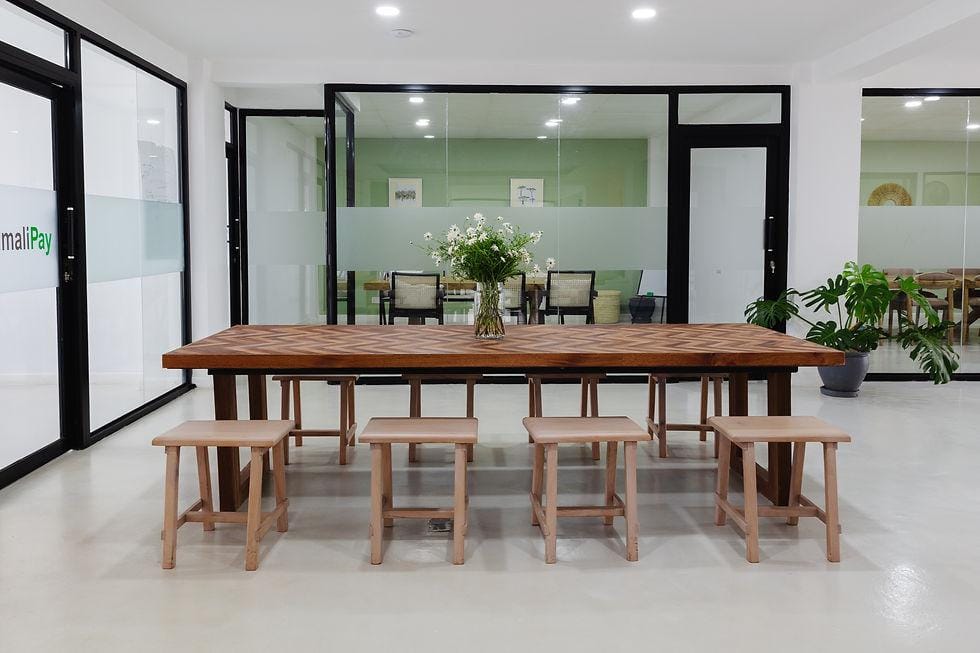
A coworking space can give a workday more definition when home or café routines are not quite enough. Before choosing one, think about how often you will use it and what you expect from the day, rather than assuming you need a long commitment. The right arrangement depends on your workload and preferences. A trial visit can help you work out whether the space fits your actual habits.
Deciding whether a day pass or membership fits
If your schedule varies, a day pass can be a straightforward way to try a workspace without building it into every week. A membership may make more sense if you expect to return regularly and value having a familiar base. Compare the options using your likely working pattern, not an idealised week in which you are always at a desk. Ask about current terms directly, since details can vary between spaces.
Using meeting rooms and shared facilities
Shared facilities are most useful when you know what you need from them. If you have a call or a small meeting, check whether a room can be booked and how its use is organised before you depend on it. The same applies to other amenities: understand what is available, and leave the space ready for whoever uses it next. Planning around the actual arrangements makes a shared workplace easier to navigate.
Building focus into a collaborative environment
The energy of a shared room can be pleasant, but conversation and movement may pull you away from demanding work. Decide which tasks need your full attention and give them a quieter stretch of time, then leave more collaborative or routine work for the rest of the day. Protect a focus window by setting a clear task and limiting interruptions where you can. You do not have to choose between being approachable and getting work done; a little structure helps you make room for both.
Thursday: Connecting with digital nomads in Nairobi
By Thursday, your week may have settled enough for you to make space for people as well as projects. Connecting with digital nomads in Nairobi does not have to mean arriving with a polished pitch or filling every evening with events. A friendly conversation, a shared interest or a useful recommendation can be a good start. You can decide how much community you want as you go.

Finding meet-ups and professional communities
Look for gatherings that match your interests and energy, whether that means a work-related conversation or a more relaxed social setting. Check current event details before making plans, and choose something that leaves enough room for the rest of your week. Westlands Connect is an independent storytelling project exploring the people, places and experiences shaping Nairobi; its coverage of events and happenings across the region offers one angle on how people find connection without making every encounter feel like networking.
Turning casual conversations into useful connections
A useful connection often begins with curiosity rather than a request. Ask what brought someone to Nairobi or what they have enjoyed discovering, and share a little about your own work if the conversation moves that way. If you both want to stay in touch, agree on a simple next step, such as exchanging details or continuing the conversation another time. A light touch makes it easier to build trust without putting pressure on either person.
Balancing networking with independent work
Community can make a new place feel more familiar, but your working week still needs quiet stretches. Decide in advance which days or hours you want to keep for concentrated tasks, and let social plans fit around those commitments where possible. You can be open to invitations without treating every one as an obligation. That balance gives both work and connection room to feel worthwhile.
Friday: Experiencing expat life in Kilimani
Friday is a good point to notice the parts of the neighbourhood that sit outside your working routine. Expat life in Kilimani is not a single experience, and a short stay will not tell you everything about the place. Still, ordinary details (where you eat, how you get around and how people share public spaces) can make a new setting feel less abstract. Take your cues from the day rather than trying to master everything at once.
Exploring local food and neighbourhood businesses
Make time to try places beyond the route between your accommodation and your desk. A meal or a visit to a neighbourhood business gives you a reason to slow down and pay attention to what is around you. Westlands Connect explores the people and places shaping the city, and our curated guide features can offer an additional window on experiences beyond a workday. Keep your plans open enough to follow a recommendation if something catches your interest.


Garden-style rooftop terrace at Unseen Nairobi, a gathering space for the city’s creative community.
Getting around while allowing for traffic
When you have somewhere to be, give yourself room for the journey and check the practical details before you leave. Traffic can affect the time a trip takes, so avoid planning back-to-back commitments that depend on everything going exactly to schedule. If you are meeting someone, sharing a realistic arrival estimate is kinder than rushing and arriving stressed. The extra margin can turn the journey into part of the day rather than an obstacle to it.
Learning everyday etiquette and local rhythms
You will learn a great deal by observing how people around you handle everyday interactions. A friendly greeting, patience when plans shift and attention to the preferences of staff or hosts can help you move through new situations with care. If you are uncertain, ask respectfully rather than assuming that one person’s preference applies everywhere. Being a considerate guest is less about knowing every custom in advance and more about staying attentive.
Saturday: Making room for Nairobi beyond work
The weekend gives you a chance to widen your map of the city, even if you only have a few free hours. A neighbourhood wander or a more planned excursion can both work; choose according to your energy and how much time you have. Westlands Connect looks beyond headlines to explore how places and experiences shape Nairobi’s identity, a perspective that fits a day spent noticing the city at your own pace. Keep the plan flexible enough for an unhurried stop along the way.

Planning a neighbourhood outing or city excursion
Start with one clear idea rather than trying to cover too much in a single day. You might stay close to where you are or set aside more time for a trip elsewhere in Nairobi; either way, check opening details and travel arrangements before you go. Leave a little room for delays or a change of mind. A manageable plan often makes it easier to enjoy what is in front of you.
Discovering places to eat and unwind
A meal or a quiet break can become the centre of a good day out, not just a pause between activities. Ask for recommendations, notice what appeals to you and avoid treating a neighbourhood as a list of places to tick off. If you find somewhere you like, give yourself enough time to enjoy it without watching the clock. Those slower moments can become the ones you remember best.
Keeping work boundaries during a longer stay
When your laptop is always nearby, it is easy for a small task to spill into the time you meant to keep free. Set a stopping point for the working week and be clear about what genuinely needs attention before Monday. You can make a brief note of unfinished tasks instead of carrying them around in your head all weekend. Time away from work helps the city feel like somewhere you are living, not only a place you log in from.
Sunday: Resetting for the week ahead
Sunday does not have to become a second workday to make Monday easier. A short reset can help you feel prepared without filling the whole day with planning. Think through the commitments that are fixed, then leave some breathing room around the rest. The aim is to make the next morning feel familiar, not to schedule every hour in advance.
Reviewing upcoming deadlines and work commitments
Look over the week and identify the deadlines, calls and tasks that will shape your schedule. Decide which pieces of work need an uninterrupted block and which can fit around other plans. If something is unclear, make a note to resolve it before it becomes a last-minute problem. A quick review helps you start with priorities rather than a long, unfocused to-do list.
Restocking essentials and planning meals
A few small preparations can make busy days feel less scattered. Check what you need for the start of the week and make a modest plan for meals, without trying to predict every appetite or change of schedule. Keep it practical: the point is to reduce avoidable errands when your workload picks up. You can adjust the plan once the week is underway.
Choosing a workspace and routine for Monday
Decide where you are likely to work and what your first task will be, but keep an alternative in mind in case circumstances change. Set out whatever you need for the morning and choose a realistic start time that leaves space for the journey. If you have learnt anything about your best working conditions this week, carry that forward rather than copying someone else’s routine. Monday will feel more manageable when the first decision has already been made.
A week in Kilimani can hold focused work, new conversations and ordinary discoveries, without requiring you to have the whole city figured out. Let your routine support the work, stay considerate in shared spaces and leave room for plans to change. Over time, those small choices can help Nairobi feel less like a temporary backdrop and more like a place you understand on your own terms.
Frequently Asked Questions
Is Kilimani a good area for remote work?
It can work well as a base if you choose a workspace that suits your tasks and check the practical details before settling in. Your experience will depend on your routine, preferences and the options available to you.
How should I choose a café for working?
Consider seating, noise, how long you plan to stay and whether the conditions meet your needs. Be considerate of staff and other customers, particularly during busy periods.
Should I use a café or a coworking space?
Choose based on the work you need to do that day. A café may suit a shorter, flexible session, while a coworking space can offer a more structured setting if that is what you prefer.
How can I prepare for online meetings?
Check the workspace conditions in advance, keep your devices charged and have another option in mind. For important calls, avoid relying on assumptions about noise or connectivity.
How can I meet other remote workers in Nairobi?
Look for current gatherings or communities that match your interests, and approach conversations with curiosity. You do not need to attend every event to make meaningful connections.
What should I keep in mind when travelling around Nairobi?
Allow extra time for journeys and avoid making plans that depend on a perfectly timed arrival. Checking arrangements before you leave can make the day less stressful.
How can I keep weekends free from work?
Set a clear stopping point, identify anything that truly needs attention and make a note of tasks for Monday. Keeping your plans realistic can help you enjoy time away from your desk.