


Kenya’s sports narrative is undergoing a fundamental transformation, shifting far beyond its traditional boundaries.
The era when the nation’s sporting identity was defined solely by track athletes winning medals or teams representing the national brand is evolving. Today, investor capital is flowing directly into potential teams. State-of-the-art arenas are moving from blueprints to construction sites. World-class stadiums are rising, elite international tournaments are locking in local dates, and entirely new sports are capturing the public imagination. Concurrently, global sportswear giants are fast establishing local presence in the capital. Coincidence?
Individually, these developments might look like isolated headlines. Viewed collectively, they reveal a unified macro-economic shift.
The Privatization Of Team Capital
On September 24 2026, Oscar-winning actress Lupita Nyong’o announced a high-profile equity investment in Nairobi City Thunder, the first Kenyan basketball club to qualify for the Basketball Africa League (BAL).
Nyong’o joined an escalating commercial story, alongside previous high-profile cultural investors like musician Bien-Aimé Baraza and creative entrepreneur Chiki Kuruka.
This migration goes far beyond simple celebrity endorsements.
Professional basketball is rapidly converting into a lucrative vehicle not just in entertainment, but also in foreign direct investment and global media exposure. The timing of this capital injection is strategically aligned with Nairobi’s aggressive push toward elite sports infrastructure.
The Railway City Renaissance
The centerpiece of urban commercial infrastructure is a proposed KSh38 billion master plan at Nairobi Railway City, featuring a cutting-edge 10,000-seat multi-purpose indoor arena. This venue is meticulously designed to anchor basketball, live concerts, international conventions, and corporate exhibitions.
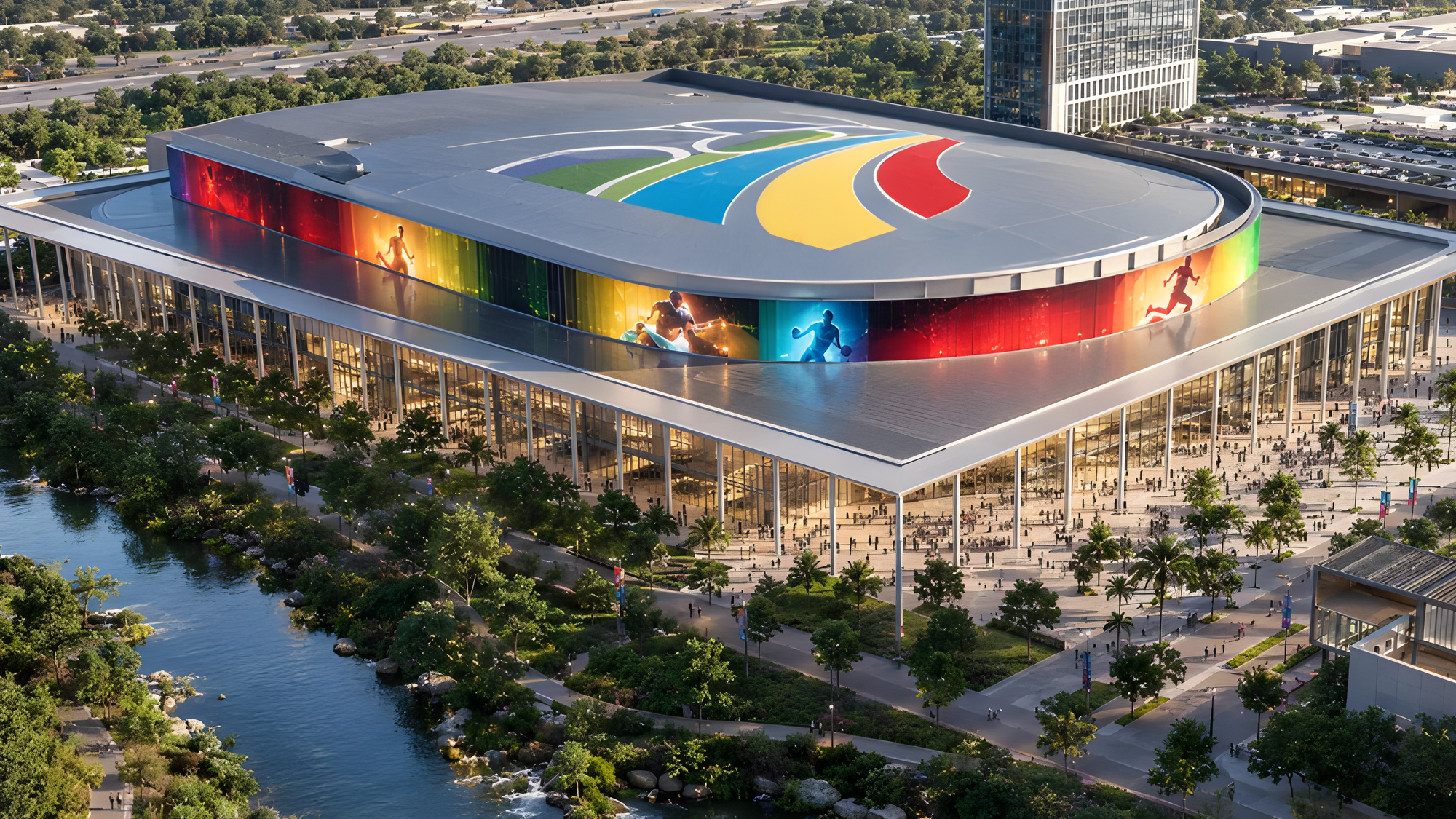
Crucially, project planners are positioning the venue as a mixed-use entertainment hub, integrating premium hospitality towers, retail complexes, and diverse commercial hubs directly around the facility.
This architectural approach reflects a massive shift in modern sports business models where a sustainable sports economy no longer relies exclusively on matchday ticket sales. It derives long-term monetization from the multi-layered commercial ecosystem surrounding the venue every single day of the year.
The FIFA Standard
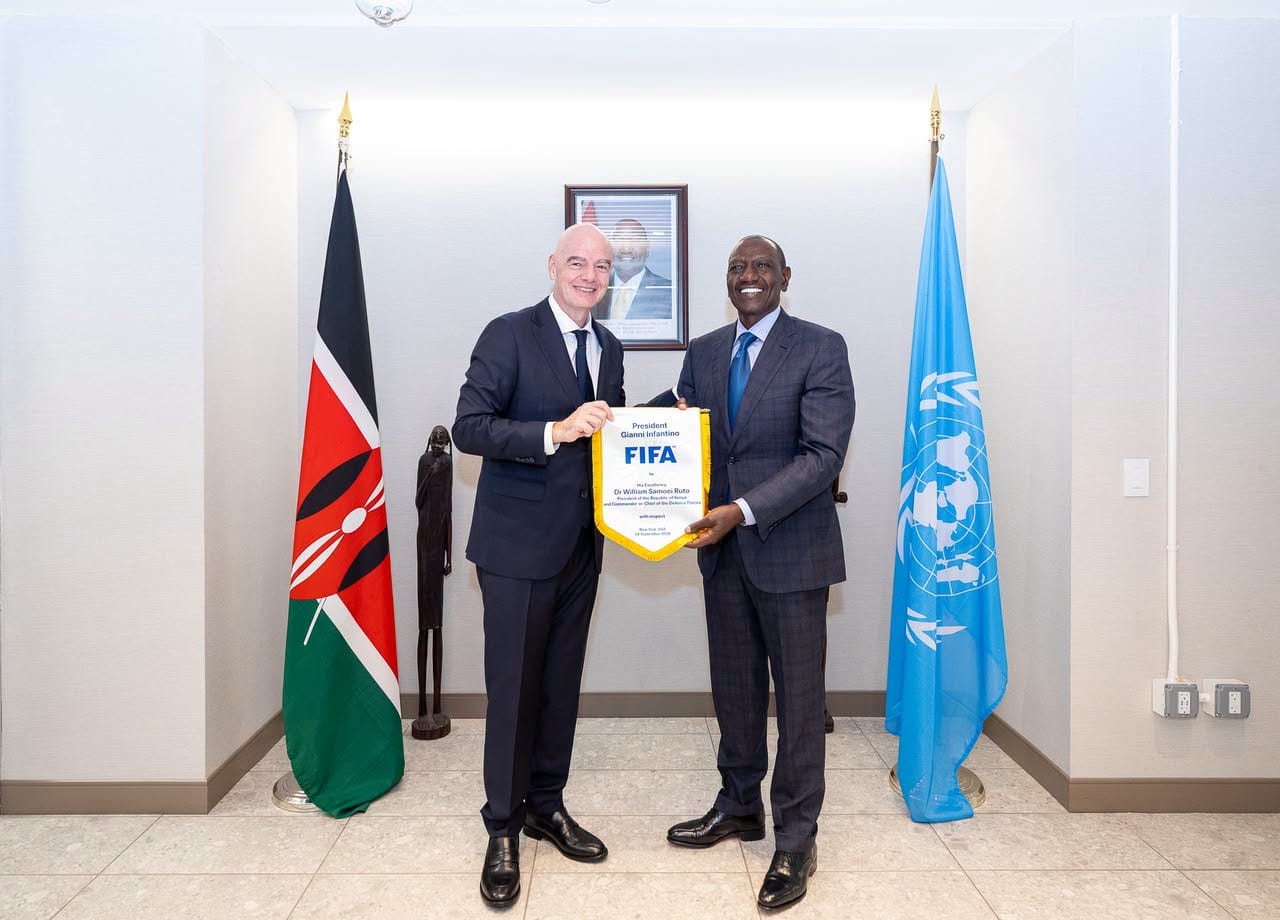
Kenya is concurrently executing a national program targeting the construction and modernization of 32 regional stadia, with bilateral discussions regarding a FIFA-standard stadium in Mombasa signaling an huge architectural ambition.
The economic logic underwriting this capital expenditure is straightforward: to consistently secure lucrative international tournament hosting rights, a nation must first possess the certified institutional capacity to accommodate them.
A Masterclass In Scale
The 60,000-seat Talanta Stadium is rising rapidly as a custom-built venue for elite football and rugby ahead of the highly anticipated AFCON 2027 tournament.
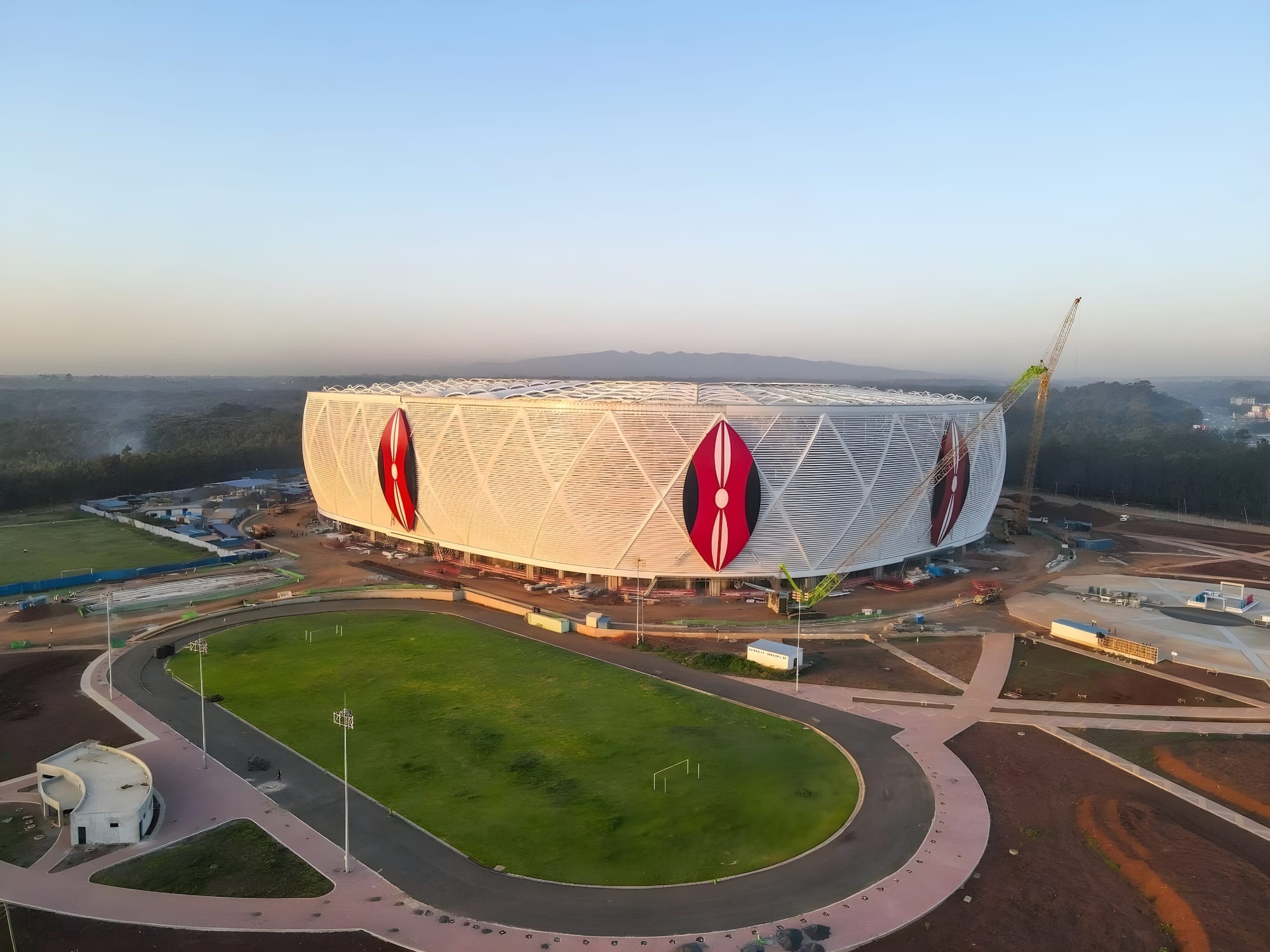
By October 2026, structural construction progress officially crossed the 94 percent threshold, shifting institutional focus toward advanced technical layout, accessibility routing, and localized operational integration.
Economically, the project introduces a comprehensive sports-city paradigm to East Africa, physically linking stadium operations to broader transport infrastructure and a rapidly growing domestic demand for premium international entertainment events.
The Inbound Calendar
Kenya’s ultimate operational test will arrive on June 19, 2027.
Kenya, Tanzania, and Uganda will co-host the AFCON tournament through July 17, 2027, marking the historic return of Africa's premier football showcase to East Africa for the first time since 1976.

The Confederation of African Football (CAF) projects an influx of over 1.5 million international fans across the three host territories. For Kenya, AFCON functions as a hard operational deadline for the rapid synchronization of upgraded stadiums, hospitality networks, regional transit systems, and the broader visitor economy.
Furthermore, this continental tournament will be the opening of a global calendar.
Nairobi Secures The World Athletics Stage
In September 2026, World Athletics officially selected Nairobi to host the prestigious 2029 World Athletics Championships.
This landmark decision ensures the senior World Athletic Championships will be staged on the African continent for the very first time. Nairobi secured the bid over prominent global capitals including London, Rome, and Munich, with Munich subsequently assigned the 2031 iteration.
This milestone leverages Kenya's existing global distance-running legacy. Nairobi previously demonstrated its organizational capacity by hosting the World U18 Championships in 2017 and the World U20 Championships in 2021, while Kasarani Stadium undergoes extensive modernization ahead of the 2027 window.
The capital is no longer content with merely exporting world-class athletes to international tracks.
Nairobi has officially transformed into the stage itself.
The Rise Of Niche Sports Marketplaces
While football and athletics remain deep-seated pillars of local sporting culture, commercial expansion is increasingly visible within newer, high-growth ones.
Nairobi successfully hosted its inaugural CUPRA FIP Tour event, marking a major milestone as the International Padel Federation formally integrated Kenya into its elite global circuit.

This expansion introduces new highly affluent demographic audiences, specialized real estate venues, and unique corporate sponsorship opportunities to the domestic sports market.
Kenyan Rugby In The Global Circuit
Nairobi solidified its position on the international rugby calendar through its integration into the high-profile HSBC SVNS circuit.
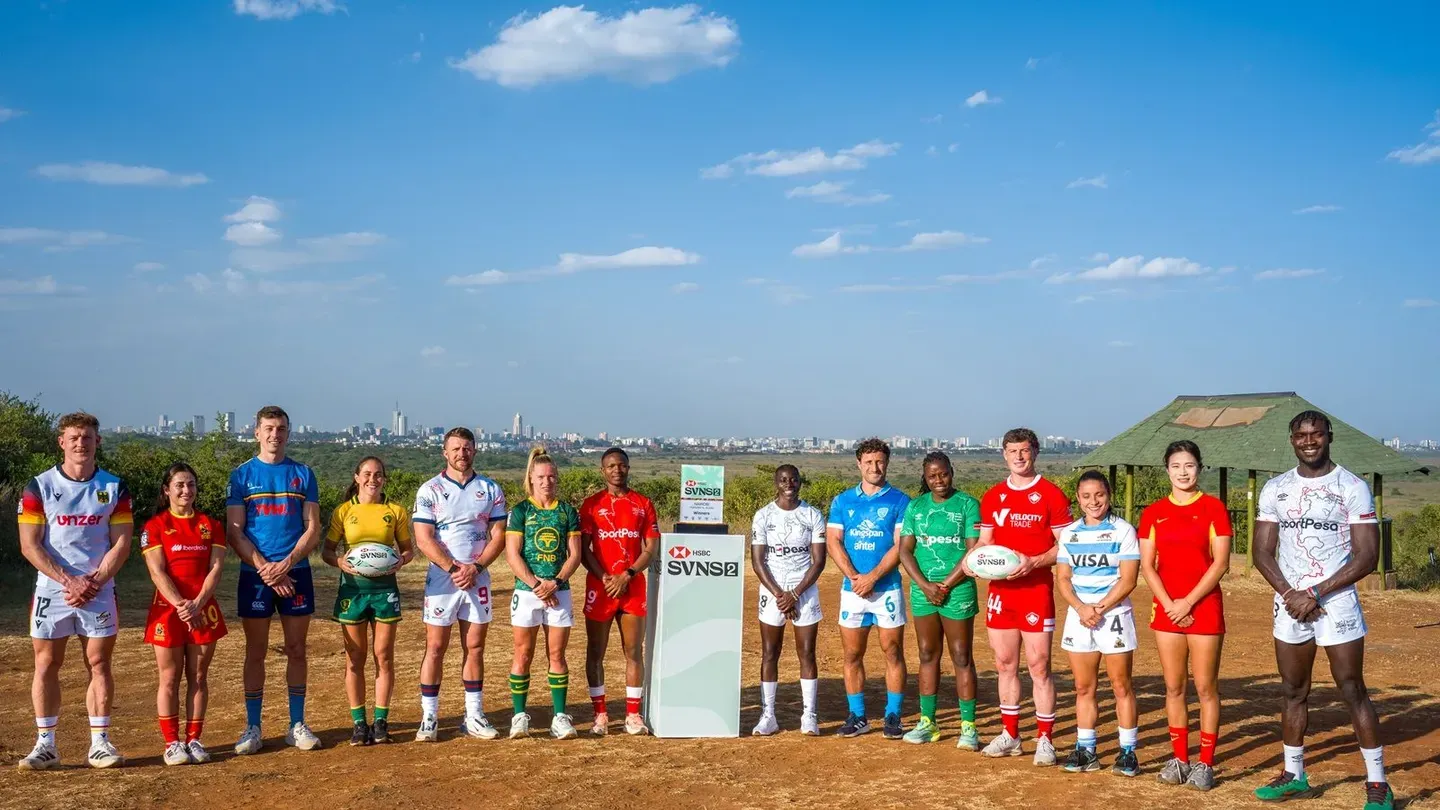
The true value of this inclusion extends beyond hosting individual matchdays. It places Nairobi firmly on a elite network of sports entertainment destinations that connects the world’s most lucrative commercial capitals.
Securing recurring stops on these international circuits unlocks long-term dividends across broadcast rights, premium corporate hospitality, title sponsorships, and sports tourism revenue.
Continental Volleyball Makes Its Return
An identical pattern of sports tourism revitalization surfaced within indoor court sports when Nairobi hosted the Women's African Volleyball Championship, successfully returning the premier continental competition to Kenyan soil following an 11-year absence.
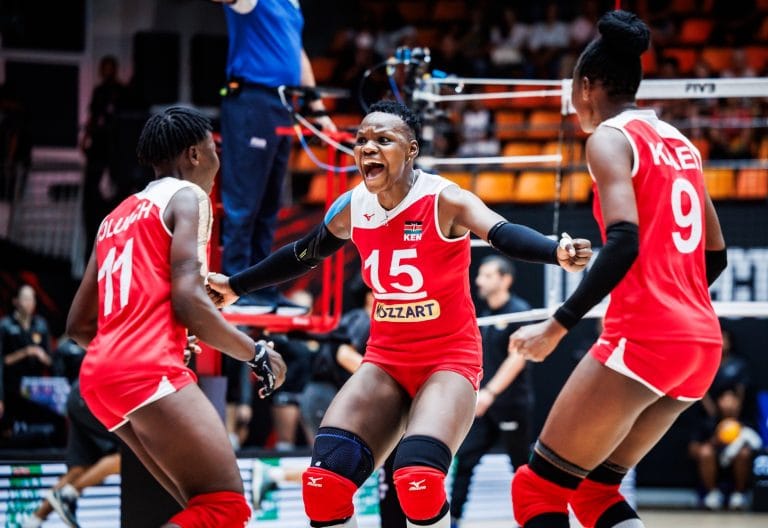
This successful tournament serves as further empirical proof that Nairobi is systematically broadening its operational hosting capabilities across diverse sporting disciplines and not only leaning on a single historical strength.
The Digital Frontier: Esports And Web3 Gaming
The next structural shift in the sports economy is unfolding across digital networks.
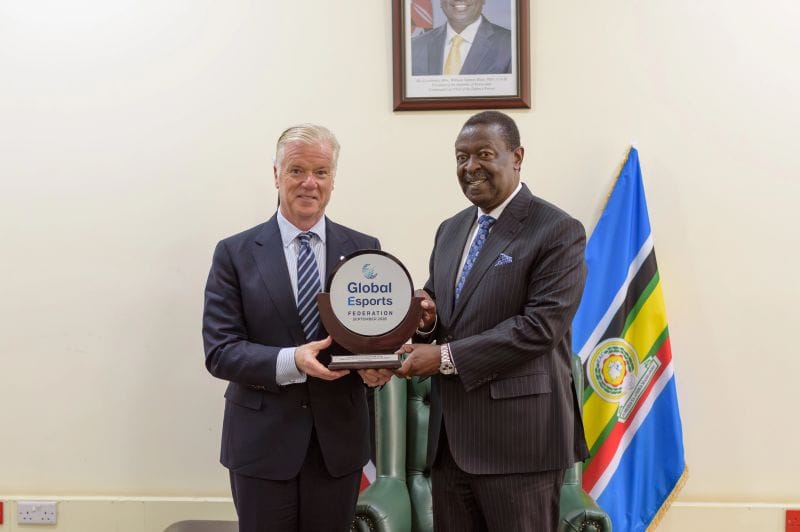
Global Esports Federation (GEF), designated Kenya as its strategic continental hub, selecting Nairobi to host the first-ever Global Esports Cup on African soil in April 2027.
Simultaneously, initiatives like the Red Bull Wings Cup are building grassroots competitive structures using EA SPORTS FC, offering elite Kenyan gamers a direct, merit-based qualification pathway to global finals in Miami.

This transition expands the definition of commercial sports monetization.
As audiences gather inside physical stadiums, streaming platforms, interactive creators, and highly engaged virtual communities are merging into the very same commercial ecosystem.
Fiscal Mobilization And The Infrastructure Footprint
The financial backing driving this macroeconomic expansion is clearly visible within state fiscal planning.
Kenya's public sports allocation was upwardly revised to KSh25.2 billion for the current fiscal year, up significantly from the baseline estimate of KSh17.5 billion, with the capital injection targeted at accelerating AFCON venue deadlines.
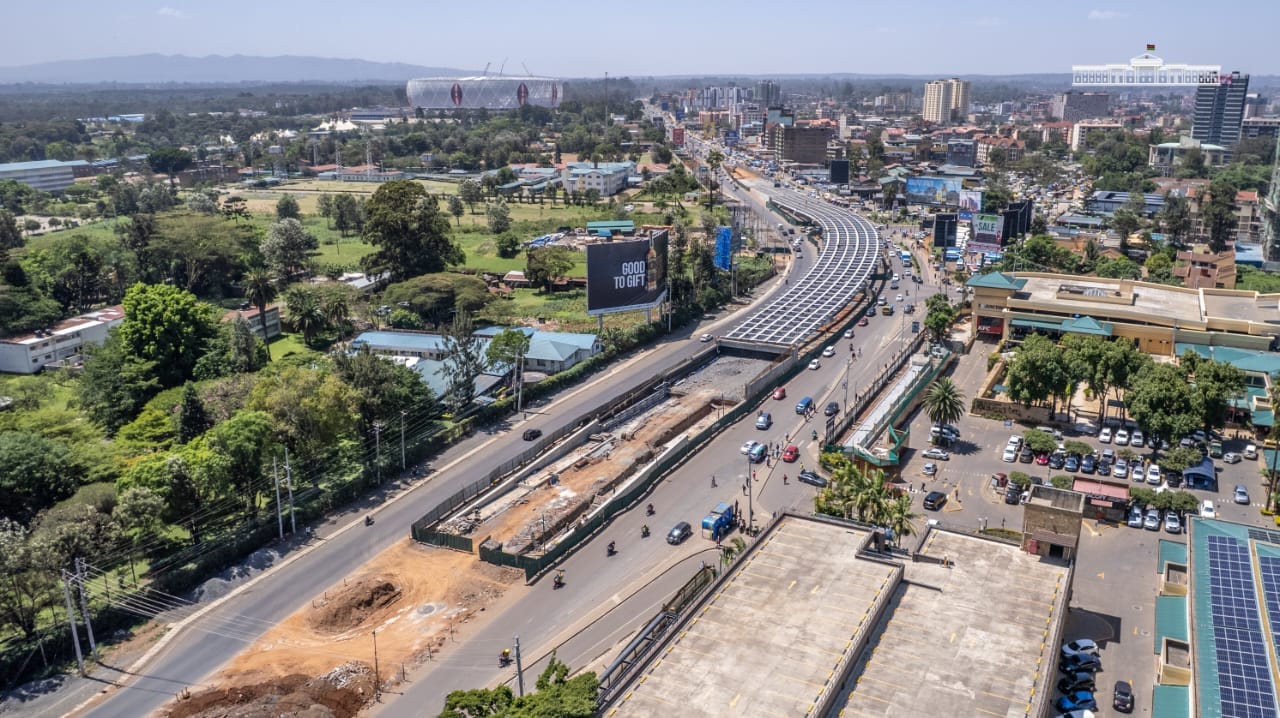
To support this infrastructure, urban planners are executing an 18.9-kilometre integrated road network encircling the Talanta and Bomas districts to optimize traffic flow around the emerging sports and convention hub.
This is precisely where the narrative expands beyond sport.
When critical transport infrastructure, modern venues, commercial real estate, and hospitality ecosystems develop in tandem around major entertainment hubs, the economic footprint yields long-term urban renewal far beyond the playing field.
Global Retail Brands Reconstruct The Market
The final, definitive validation of this emerging sports economy is visible across the retail landscape.
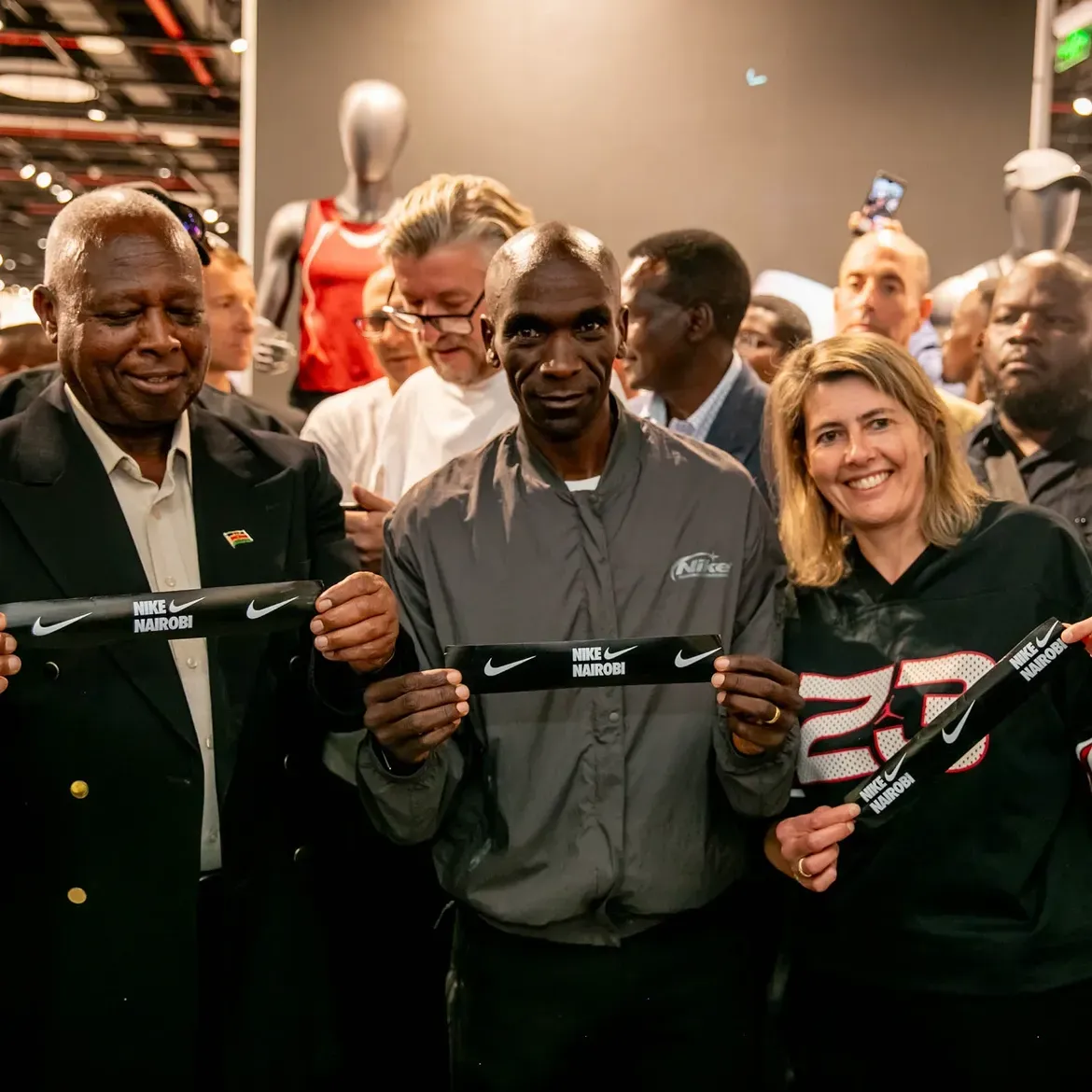
Nike opened its historic first corporate flagship storefront in Nairobi, while international retail giant Sports Direct similarly selected the capital for its highly anticipated commercial debut on the African continent.
These multinational retail conglomerates do not invest significant capital in a new territory simply because the local population enjoys athletic games.
They deploy capital based on rigorous market data reflecting a robust consumer demand and sustainable long-term market growth.
And their sudden arrival could just represents the final crucial piece of the economic puzzle.
A Sovereign Asset Class Is Born
When you synthesize these developments sequentially, the broader economic transformation becomes undeniable. What we are now about to see is a highly sophisticated, multi-tiered commercial ecosystem. Private equity is professionalizing team ownership; massive public-private capital expenditure is delivering world-class physical venues, the arrival of global tournaments is attracting elite brands and fast-tracking foundational urban infrastructure.

Kenya is systematically formalizing sports into a highly structured, sovereign asset class. Could this be a successful case of transition from a nation that dominates on the global athletics stage to an absolute economic powerhouse that owns it?