


Choosing a school used to be relatively straightforward. Parents usually compared schools based on location, fees, curriculum, reputation or facilities.
Today, there are more decisions to make.. and maybe better.
A child can attend a traditional school, learn primarily from home, join a fully online school or combine online education with physical learning. For families considering an international curriculum, the choice becomes even wider.
Traditional School: Structure Comes First
The conventional school remains the most familiar model in Kenya.
Students attend a physical campus, follow a structured timetable and learn alongside their peers. This can provide routine, face-to-face interaction, sports, clubs and a strong sense of community.

For children who thrive on structure and social interaction, that environment can be valuable.
The limitation is flexibility. A fixed timetable and location may not work equally well for every family or every learner.
Homeschooling: More Control, More Responsibility
Homeschooling gives parents greater control over how and when their children learn.
Families can adapt the pace, environment and approach around the learner. This can be particularly attractive when a child's circumstances do not fit comfortably within a conventional school schedule.

But flexibility comes with responsibility.
Parents may need to coordinate curriculum, teaching, assessments and social opportunities themselves. That is why some families increasingly combine homeschooling with professional tutors, online classes or structured education providers.
Online School: Flexibility With Structure
Online schooling sits somewhere between the two.
Instead of physically attending school every day, students can participate in scheduled lessons remotely. A structured online programme can provide teachers, assessments, academic support and a defined curriculum while allowing the learner to study from home or another location.
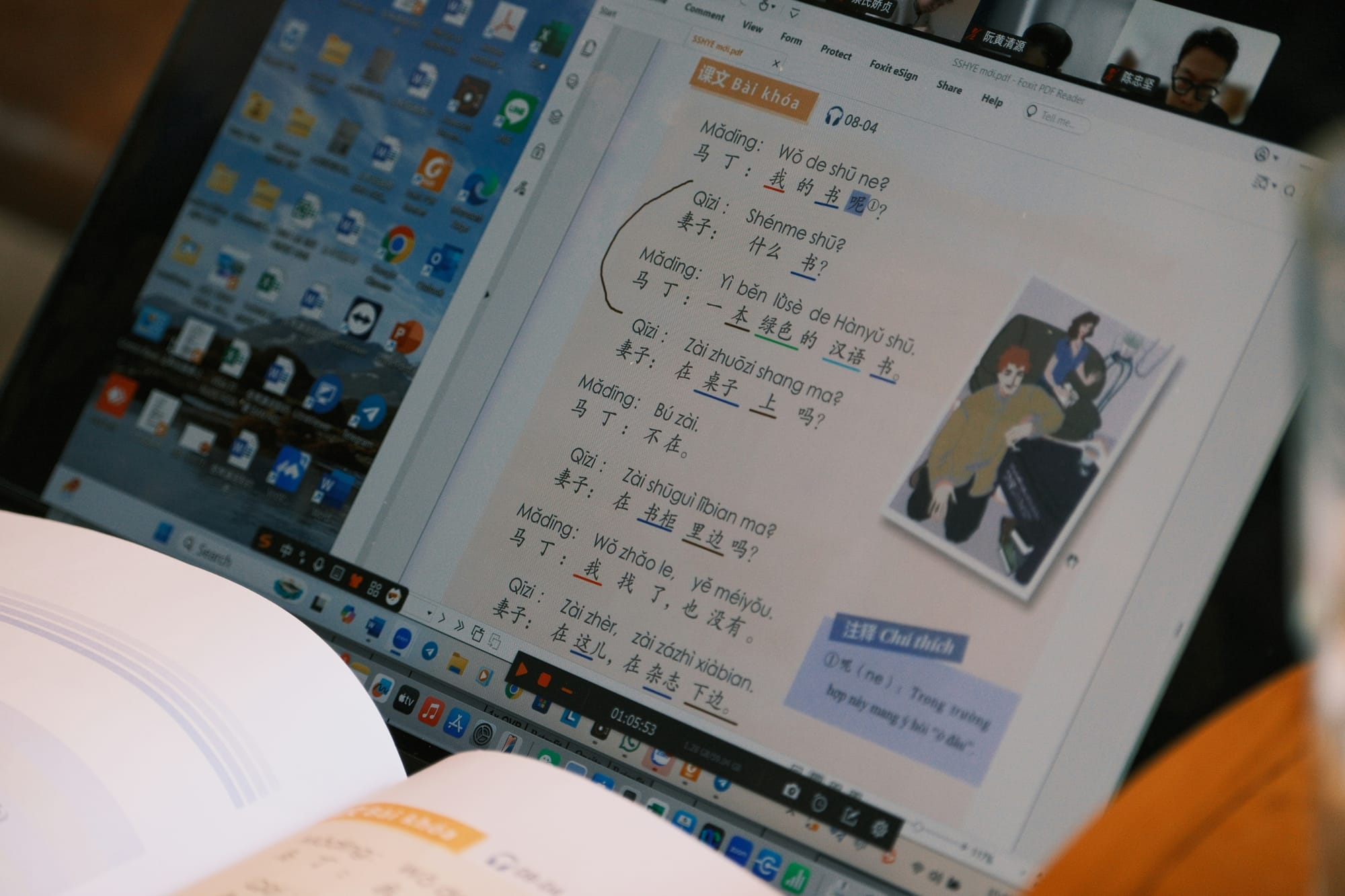
For families seeking international education, this can also open access to curriculum pathways that may not be available through every local school.
That does not mean every online school is the same. Parents should look closely at who teaches the classes, how much interaction students receive, how progress is assessed and what examination pathway the programme follows.
What About the Curriculum?
Beyond the education model, parents also need to consider the curriculum. Kenya's CBC pathway sits alongside international options such as Cambridge, Pearson Edexcel, the International Baccalaureate and American curriculum programmes.
The right choice depends heavily on the child's academic stage and long-term ambitions.
A family considering a British university pathway may approach curriculum selection differently from one preparing a child for a US university so the important thing is to understand where each pathway can lead before making the decision.
How Should Parents Compare?
Before choosing an education model, parents should look beyond the surface.
Consider the curriculum, teachers, assessment, examination pathway, student interaction, academic support and flexibility. It is also worth asking how the model handles extracurricular activities and the child's wider development.
For families exploring online education in Kenya, Smartious Homeschool & eSchool is one provider offering several of these options, including live online learning, physical learning centres, home tuition and multiple curriculum pathways.
Ultimately, the strongest model choice is the one that gives the learner enough structure to progress and enough flexibility to thrive.


