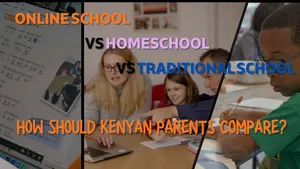


For many of us, school in Kenya has always meant going to a physical building at a fixed time, following a set timetable and learning alongside the same cohort. That model still works for millions of families, but it is no longer the only option.
Better internet access, digital platforms and changing family needs are creating a different education market. Students can now attend live classes from home, follow international curricula or receive academic support without being enrolled in a conventional school. Education today has become more flexible than ever.
Looking Beyond the Traditional Classroom
So why are families looking beyond the traditional classroom? For some, the attraction is practical. Parents may travel frequently, move between countries or have children whose commitments do not fit a conventional timetable.
For others, it is about choice. A family may want Cambridge IGCSE, IB or American curriculum while remaining in Kenya. Another may prefer homeschooling but still want qualified teachers and structured academic support.
Online School vs. Homeschooling
Online School Is Not the Same as Homeschooling. The two are often treated as interchangeable, but they can be very different.
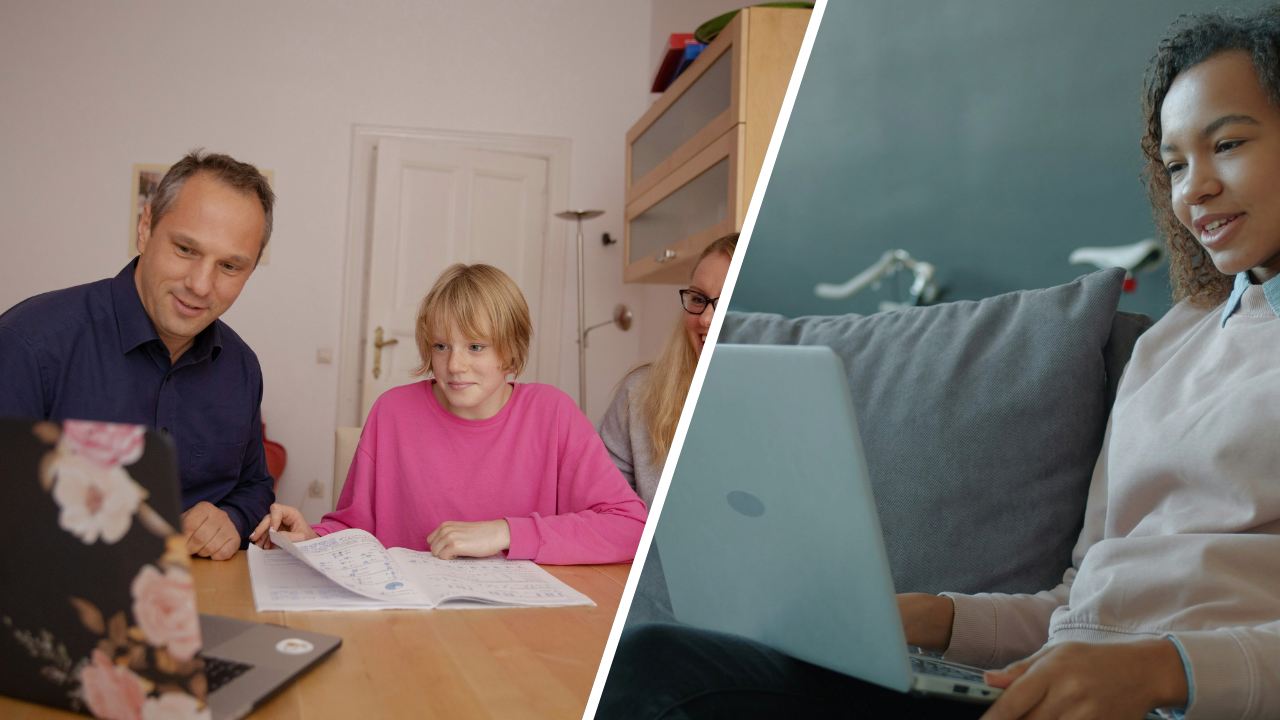
Homeschooling gives families greater control over how education is organised. Online schooling can provide scheduled lessons, teachers, assessments and an established curriculum. Hybrid models combine elements of both.
Flexibility without structure can become difficult for students and parents. A strong online education model therefore needs qualified teaching, meaningful interaction, assessment and a clear pathway towards examinations.
Nairobi Is Part of the Shift
Nairobi is well positioned for this change. The city is home to internationally connected businesses, universities, technology companies and a highly mobile professional population.
For families operating across borders, accessing education without changing location can be significant.
This is creating space for Kenyan education providers to experiment with new models. One example is Smartious Homeschool & eSchool, a Nairobi-based provider offering live online learning, physical learning-centre options and several curriculum pathways.
What Should Parents Look For?
Choosing an online school should involve more than checking whether lessons happen online.
Parents should ask what curriculum is offered, who teaches it, how students are assessed, which examinations the programme supports and what happens beyond the classroom. Social interaction and student support matter too.
There is no universal answer. For some children, a traditional school will remain the strongest fit. For others, online, homeschool or hybrid education may offer something the conventional model cannot.
You do not have to choose one model over another. As a family, you should have credible options that allow you to choose the model that works for your child.
Online School, Homeschool or Traditional School?