

A few years ago, Pilates in Nairobi meant a mat class at the back of a gym. Today it means sleek studios with rows of reformer machines, waiting lists for evening slots and prices that would have seemed absurd for an exercise class a decade ago.
A typical studio class in Nairobi now costs about KSh 2,500 to KSh 4,000. Reformer and private sessions cost more. So is it worth it?
About KSh 2,500 to KSh 4,000 for a typical Nairobi studio class. Reformer and private sessions cost more; mat classes cost less.
Why Pilates took off
Part of the answer is global. Reformer Pilates has become one of the fastest-growing workouts in the world, pushed along by social media and by people looking for exercise that builds strength without punishing their joints. Westlands, with its young professionals, expatriates and wellness-conscious residents, was always going to be one of the first places in Nairobi to catch the trend.
Part of it is the format. Classes are small, booked in advance and built around an instructor who corrects your form. For people who feel lost in a big gym, that structure is the selling point.
What the money buys
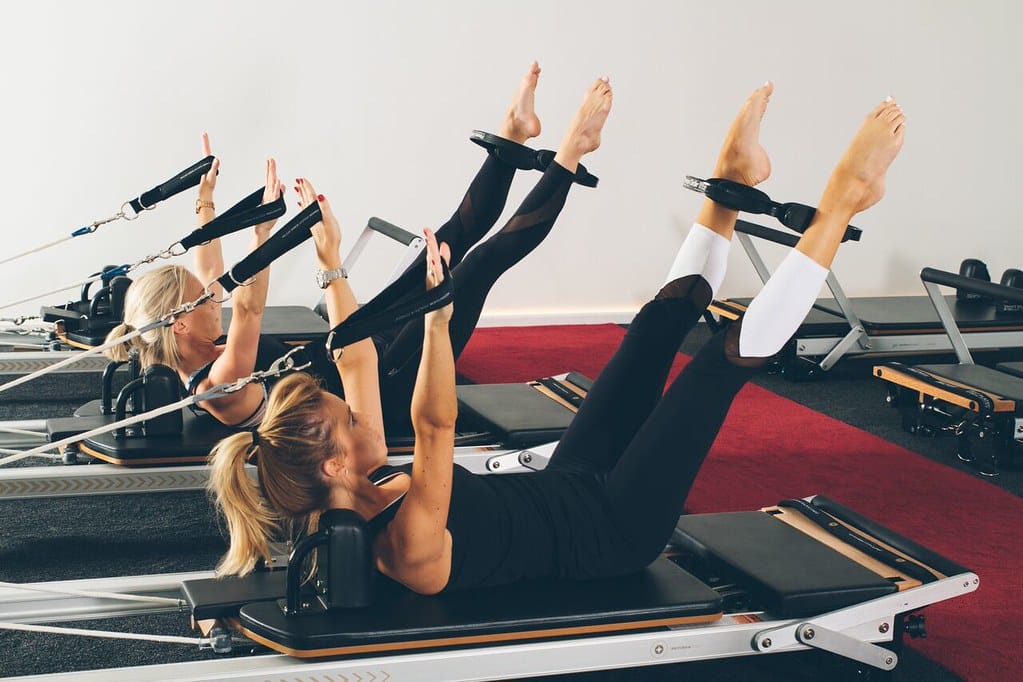
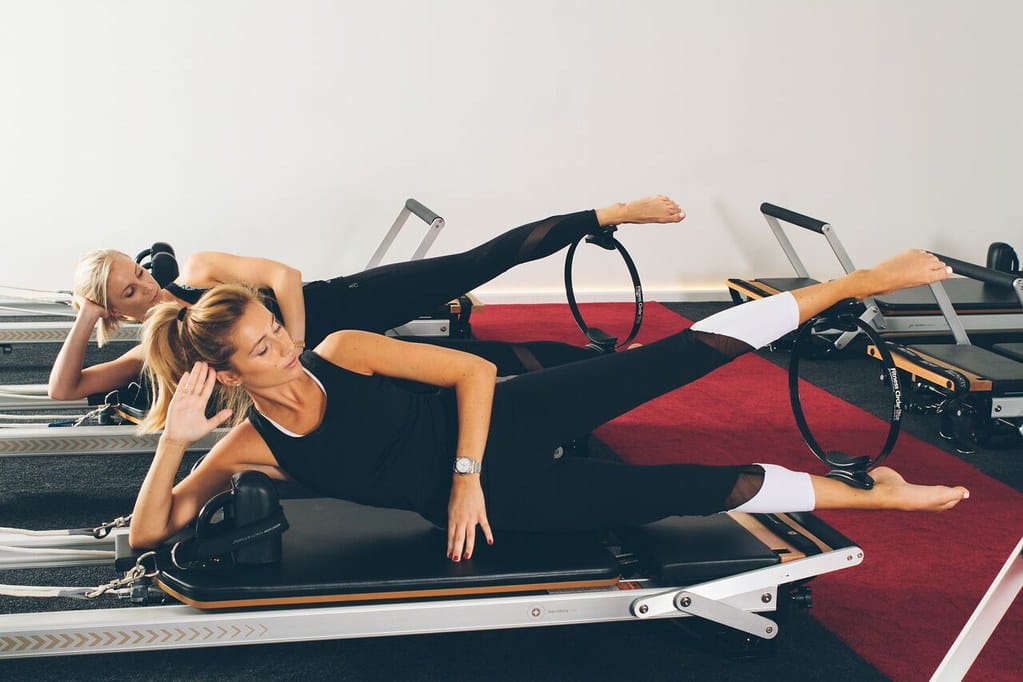
The price reflects the economics of a reformer studio. Each machine costs a great deal to import and takes up floor space that, in Westlands, is expensive. A class of eight or ten people has to cover the rent, the equipment and a qualified instructor. That is why reformer classes cost two or three times as much as a mat class, which needs only a room and some mats.
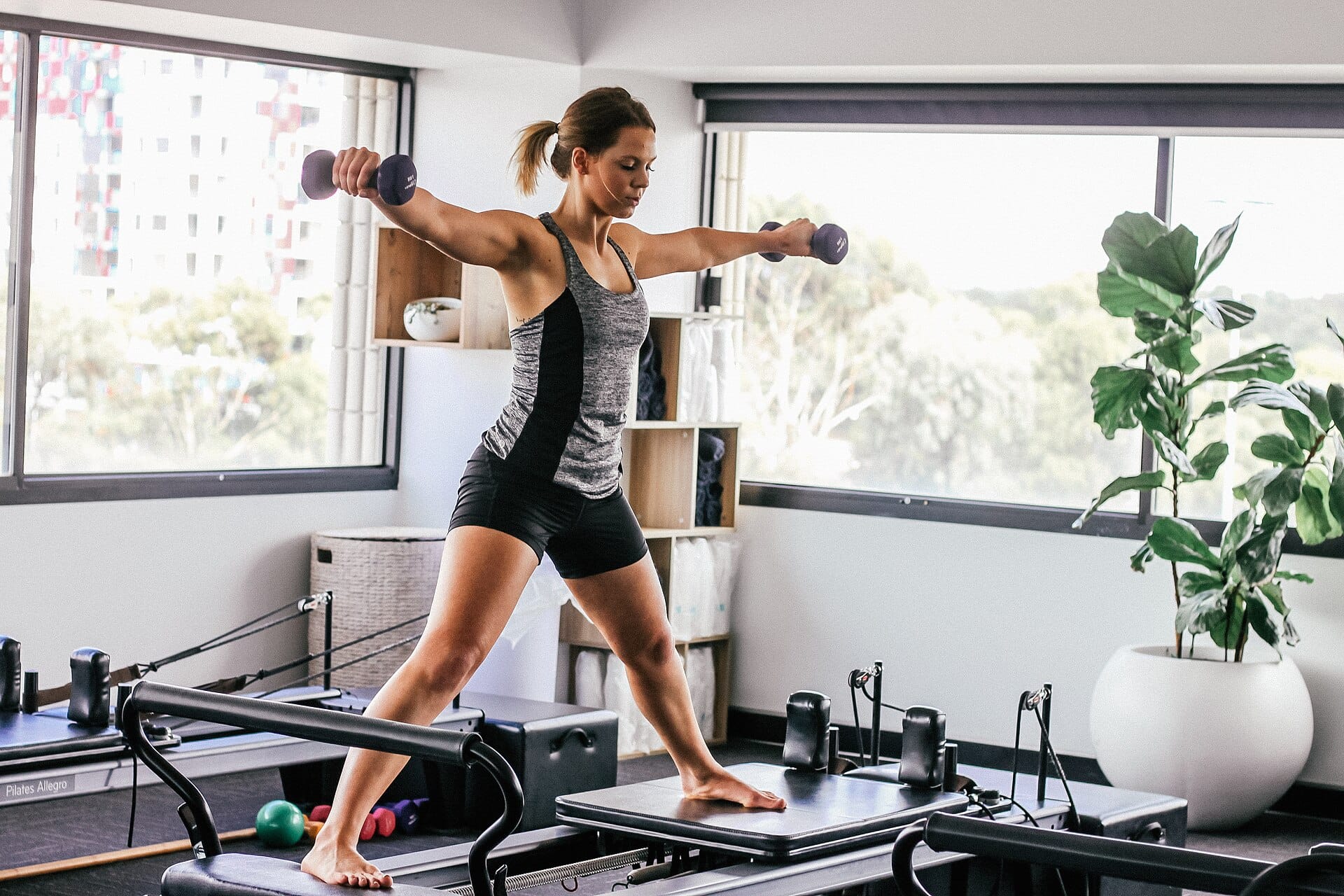
Class packs and monthly memberships bring the price per session down. Mat classes are the cheaper way in, and they teach the same principles.
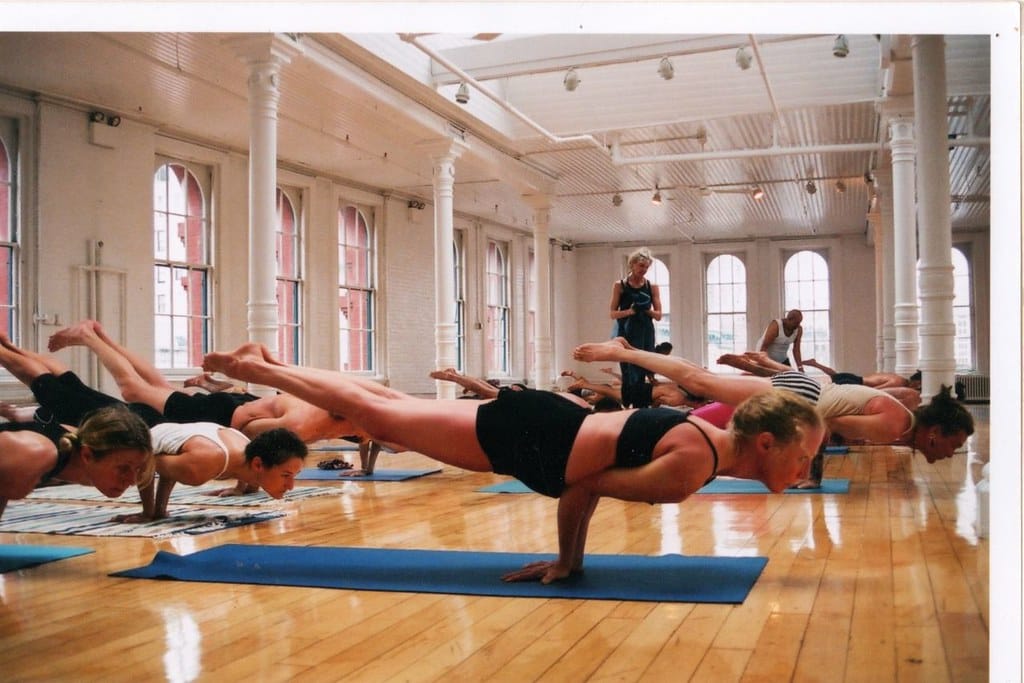
The risk nobody mentions
Booms attract shortcuts. Professional bodies in other markets have warned that the rush to open reformer studios has brought inexperienced instructors and a rise in injuries. Kenya has no specific regulation for Pilates teachers, so the burden falls on you.
- Ask what training and certification the instructor has.
- Start with a beginner or foundations class, even if you are fit.
- Tell the instructor about any injury or back problem before the class starts.
- If you have a back injury, consider clinical Pilates with a physiotherapist first.
What we think
Pilates is worth paying for when the teaching is good. But at KSh 3,000 a class it has also become a status symbol, and the neighbourhood's boom risks pricing out the people who would benefit most, including older residents and people recovering from injury. The best thing a studio can do for the long-term health of the trend is offer affordable mat classes alongside the reformers.