

For almost a decade, shisha sat in a legal grey zone in Kenya. That changed on 28 July 2026, when the High Court ruled that the government could no longer enforce the 2017 shisha ban.
December 2017: the Health Ministry bans the import, sale and use of shisha.
June 2026: the Ministry of Health publishes draft rules that would ban it again.
July 2026: the High Court declares the existing ban unconstitutional.
What the court decided
Justice Bahati Mwamuye found that the Public Health (Control of Shisha Smoking) Rules, 2017, which created the ban, ceased to have legal effect nine months after 26 July 2018. In 2018 the High Court had allowed the ban to stay temporarily on public-health grounds, but ordered the government to regularise the rules within nine months. That never happened.
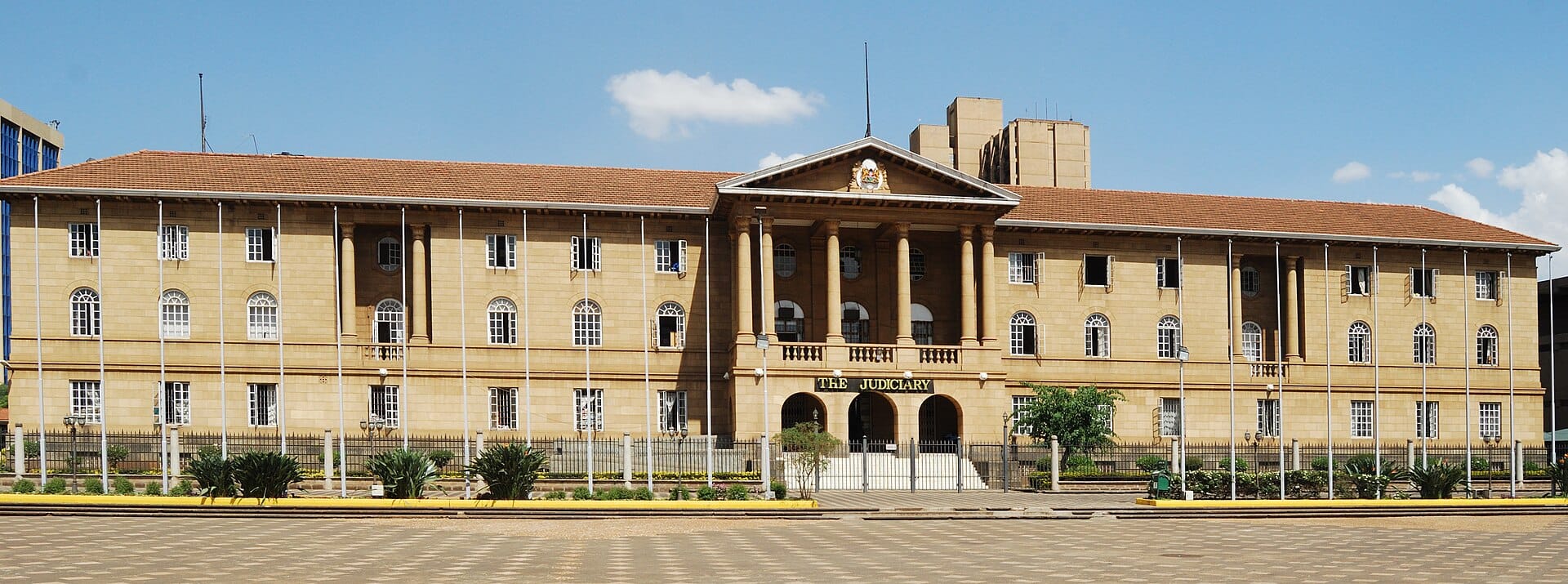
The court also declared unlawful two 2025 government notices: a February 2025 statement that the ban remained in force, and a later directive ordering a crackdown on shisha outlets in Nairobi. The case was brought by the Novel Tobacco Products Association.
What it means for Westlands
Westlands, Kilimani, Kileleshwa and Lavington were among the areas where shisha continued to be served despite the ban, often under other names. After the ruling, the authorities can no longer rely on the 2017 rules to raid lounges or charge smokers.
New rules could bring a ban back
The ruling may not be the last word. In June 2026, before the judgment, the Ministry of Health published draft Public Health (Prohibition of Shisha Smoking and Waterpipe Tobacco Products) Rules, 2026, and invited public comments. The draft would ban the import, manufacture, sale, advertising and use of shisha, including herbal and flavoured products, with proposed penalties of up to KSh 1 million, six months in jail, or both. If those rules are properly made and approved, a ban would apply again. We will update this page if that happens.
Shisha is still tobacco, so the general rules on tobacco products continue to apply, including age limits and restrictions on smoking in public places. Lounges should check their county licences.
The health facts
- Shisha is tobacco smoked through a water pipe. The water does not filter out the harmful chemicals.
- A typical shisha session lasts much longer than a cigarette, so smokers can inhale large amounts of smoke.
- People nearby breathe in second-hand smoke.
If you are trying to quit tobacco, speak to your doctor or a health worker.
Going out in Westlands
For the neighbourhood's bars, clubs and rooftops, read our guide to the Westlands nightlife economy.
Frequently asked questions
Is shisha legal in Kenya in 2026?
Following the High Court ruling of 28 July 2026, the government can no longer enforce the 2017 shisha ban. The Ministry of Health has proposed new rules that would restore a ban if they are approved.
Why was shisha banned in Kenya?
The Ministry of Health banned shisha in December 2017 over health concerns. The court found the regulations were never regularised as ordered in 2018, so they lapsed.