


Nairobi’s real estate market remains a magnet for local and diaspora capital. High-yield commercial spaces and luxury high-rise residential blocks promise lucrative returns. However, beneath the polished glass facades and glossy brochures lies a systemic structural hazard that is catching buyers completely off guard.
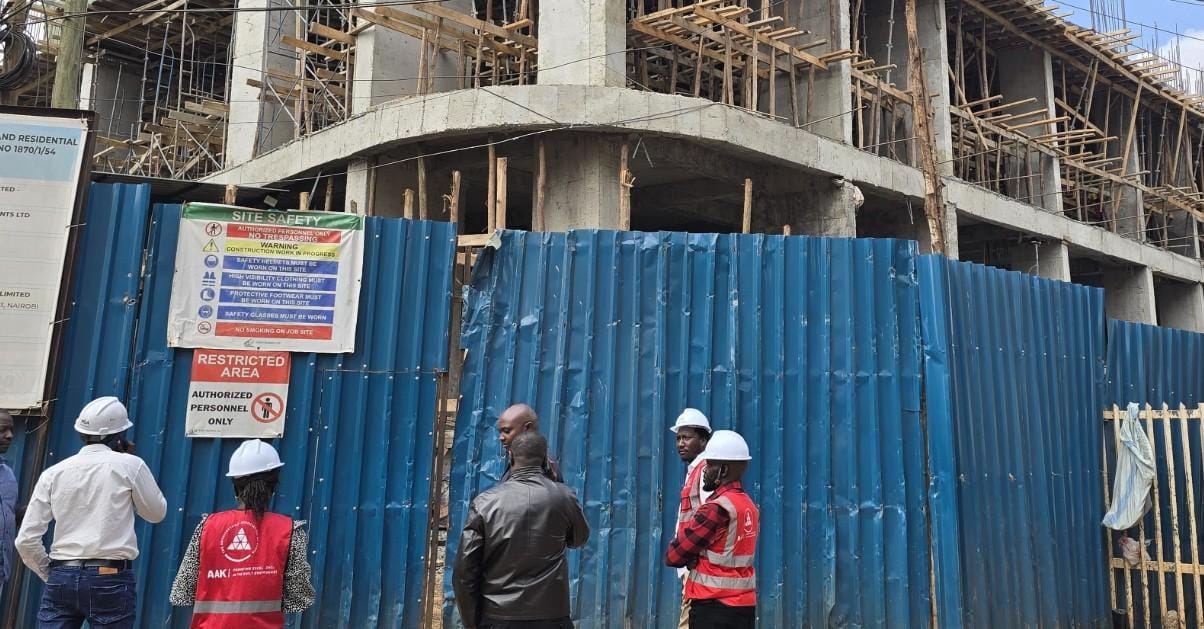
Following a sweeping regulatory crackdown by the National Construction Authority (NCA), a dangerous sector practice known as "credential renting" has been exposed as a primary cause of structural vulnerabilities across the capital. For anyone looking at real estate investments in Kenya, understanding this hidden risk is the difference between securing an appreciating asset and inheriting a catastrophic legal and financial liability.
Here is what property investors must know to protect their wealth.
What is Credential Renting?
Credential renting occurs when an unscrupulous developer pays a certified professional, such as a registered structural engineer, architect, or geotechnical expert, solely to use their stamp and license registration numbers on architectural drawings to secure county building approvals.
Once the paperwork clears regulatory desks, the certified professional vanishes. The actual day-to-day physical execution on the construction site is left entirely to cheap, unqualified foremen.
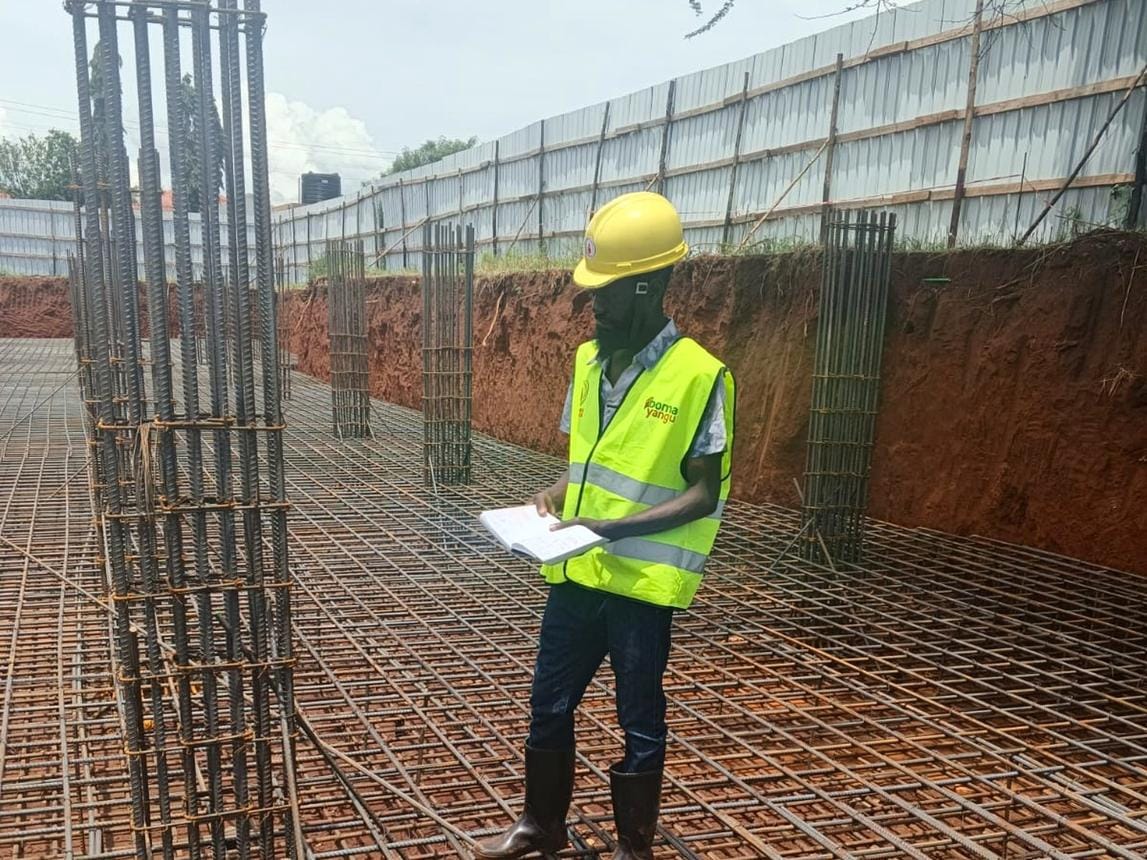
This dangerous shortcut results in severe engineering compromises. The recent emergency safety warnings highlighting high-risk Westlands basement excavations during heavy seasonal rains are a direct consequence of this practice, exposing sites that hold perfect paper approvals but lack actual technical supervision.
 Westlands Connect

The Compounding Financial Risks for Investors
Buying into a building constructed via credential renting introduces severe financial and legal vulnerabilities that emerge long after the developer has sold the units and exited the project.
- Total Asset Write-down: If the NCA or the National Disaster Management Unit flags a building for structural non-compliance, they retain the power to issue immediate condemnation and demolition orders. As an investor, your capital could literally be reduced to rubble with zero compensation.
- Voided Insurance Cover Policies: Insurance firms in Kenya are increasingly auditing structural compliance files before settling claims. If a structural failure or basement flooding event occurs and investigations reveal that the site lacked continuous engineering oversight, your commercial property insurance policy will likely be voided due to material non-disclosure.
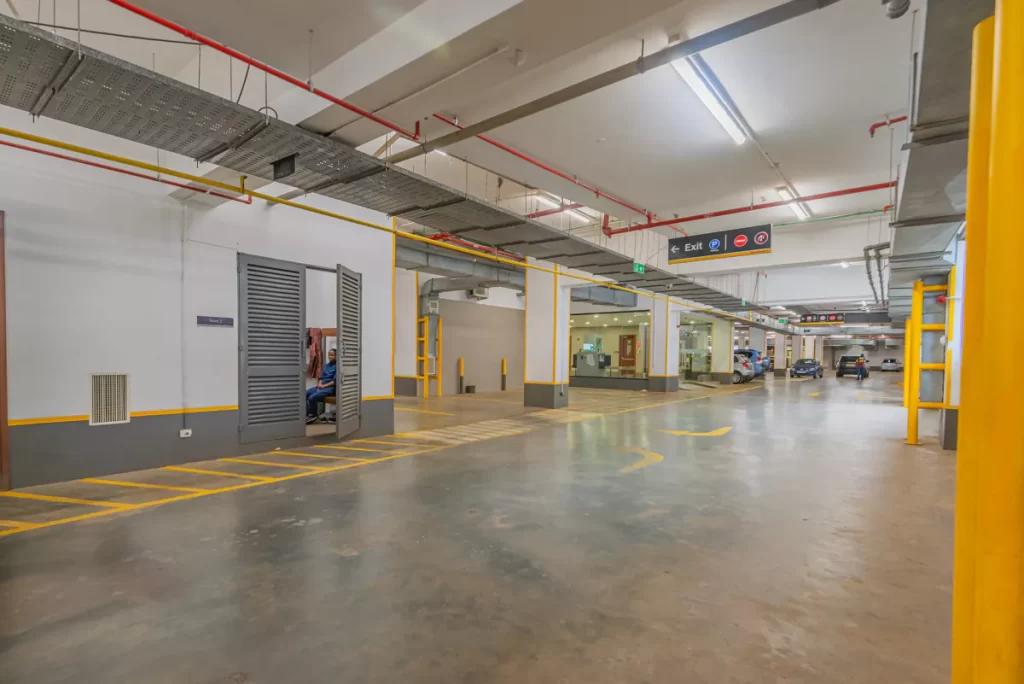
- Depreciating Rental Yields & Resale Value: Tenants are becoming highly risk-averse. As sub-surface spaces flood or exhibit stress, commuters are actively changing habits to avoid unsafe facilities. Reading about the vulnerabilities in underground parking in Nairobi shows how quickly a building’s structural reputation can decimate its rental yields and long-term resale valuation.
 Westlands Connect
Technical Red Flags: Shifting From Paper to Reality
As an investor conducting due diligence, you can no longer rely on a developer simply showing you a folder of approved county stamps. You must verify actual physical site execution:
- 📑 The "Ghost" Site Book Test: Every legitimate construction site must maintain a daily Site Book signed off by the practicing consultants. Ask to see this log. If the structural engineer’s signature only appears once a month rather than weekly or daily, the project is likely exposed to credential renting.
- 📑 Unsupervised Concrete Pours: The structural integrity of high-rise columns depends entirely on precise concrete mixes and steel reinforcement placement. If structural engineers are not physically present to inspect formwork before concrete is poured, the building’s load-bearing capacity is entirely unverified.
Investors must look beyond the cosmetic finishes of a showroom. If you want to proactively audit an occupied property before making an offer, refer to our diagnostic checklist on how to spot structural red flags in your apartment block to identify underlying foundation stress early.
 Westlands Connect

Due Diligence Framework for Savvy Buyers
To safeguard your real estate investments in Kenya against credential renting, embed these strict demands into your legal due diligence process before signing any letter of offer:
- Demand the Professional Indemnity Insurance (PII): Ensure the lead project consultants hold active PII covers. Certified professionals who rent out their credentials rarely possess valid indemnity covers for sites they do not actively manage.
- Verify Status via Professional Bodies: Cross-check the registration numbers of the project team directly through the official portals of the Board of Registration of Architects and Quantity Surveyors (BORAQS) and the Engineers Board of Kenya (EBK).
- Commission an Independent Structural Audit: Spend the extra capital to hire an independent, third-party structural engineering firm to conduct a non-destructive test (NDT) on the concrete and review the foundation design before releasing final milestone payments.
 Aaron Kakunza

