

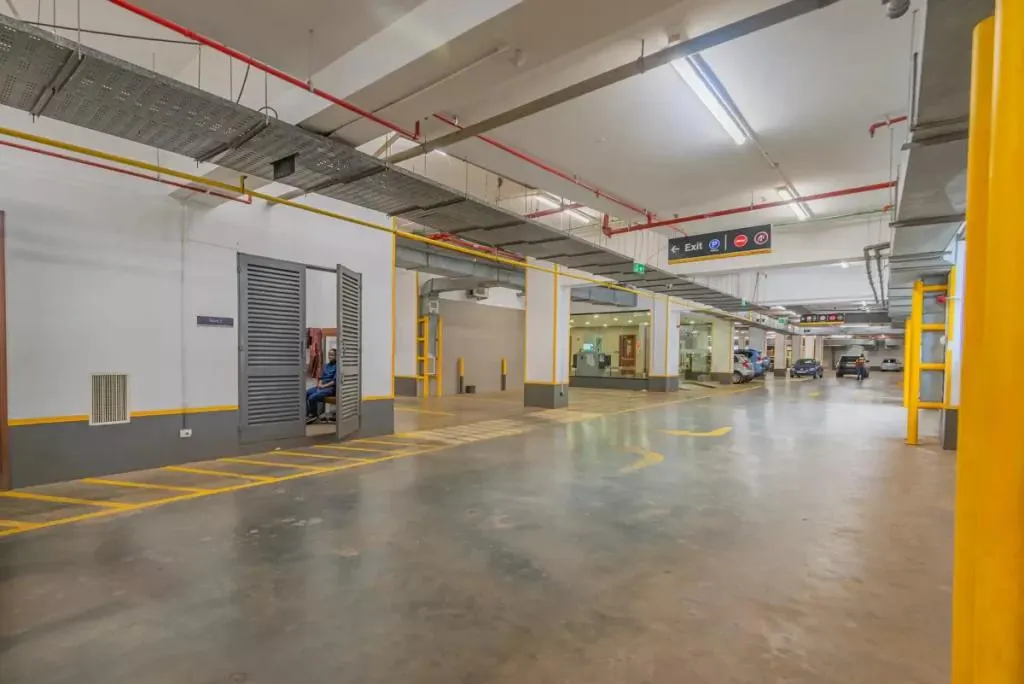
As the rainy season hits its peak across Nairobi, the daily commute has turned into a strategic exercise. Beyond the usual traffic snarl-ups on major highways, a new anxiety has emerged for the city's motorists: the safety of underground and basement parking lots.
With the capital's aggressive push toward vertical development, digging multi-level underground parking spaces has become standard practice for commercial hubs. However, recent heavy downpours have left some facilities cordoned off due to severe water ingress. Underground parking in Nairobi is only as safe as the building's defensive engineering and drainage maintenance.
If you are a commuter navigating the city during the wet season, here is what you need to know to protect your vehicle and your life.
The Hidden Risks of Sub-Surface Parking Hubs
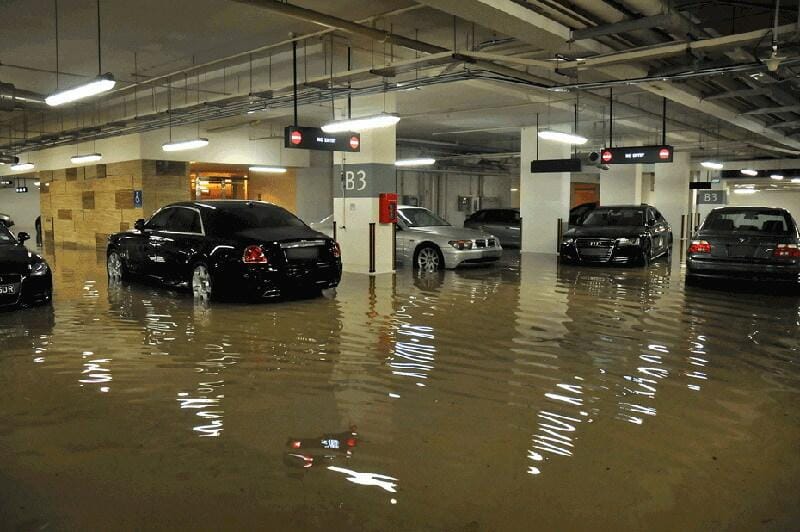
Underground parking lots inherently face unique engineering challenges that are severely tested by extreme weather:
- Flash Flooding & Rapid Ingress: Intense storms can quickly overwhelm municipal drainage networks. When street channels fail, runoff looks for the lowest point of gravity, which is frequently a downward-sloping parking ramp.
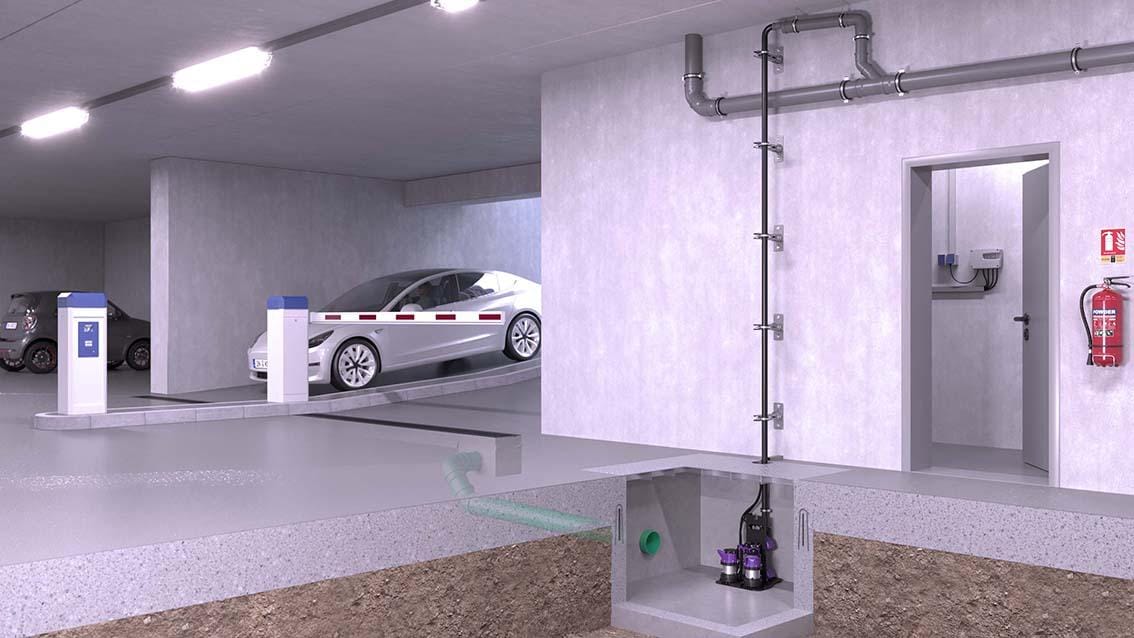
- Sump Pump Failure: Most modern basements rely on high-capacity industrial dewatering pumps to clear standard seepage. However, if a facility lacks a reliable backup generator, a typical Nairobi power blackout during a heavy storm will instantly stall the pumps.
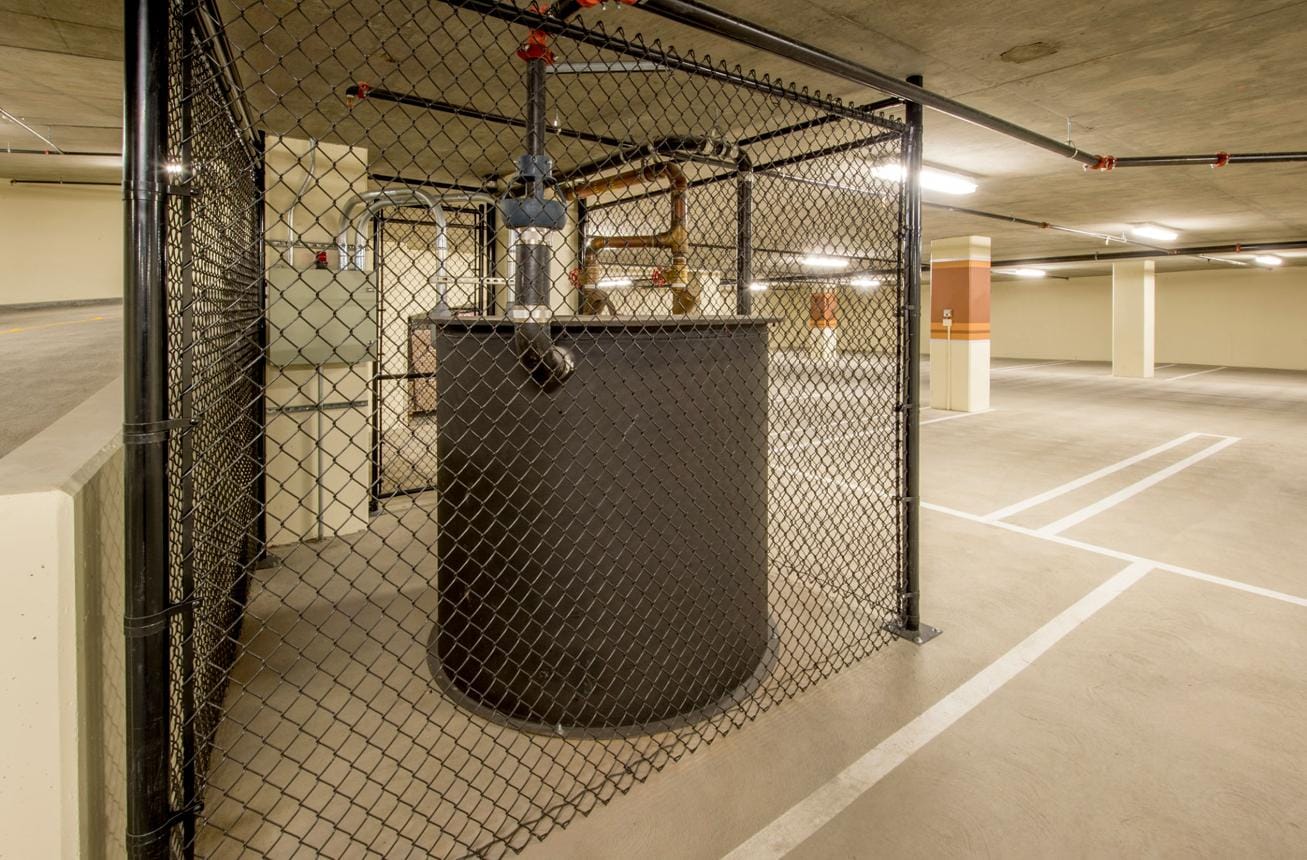
- Electrical Hazards: A flooded basement means rising water can easily breach floor-level electrical conduit boxes, distribution boards, or car charging stations, turning standing water into a major electrocution risk.
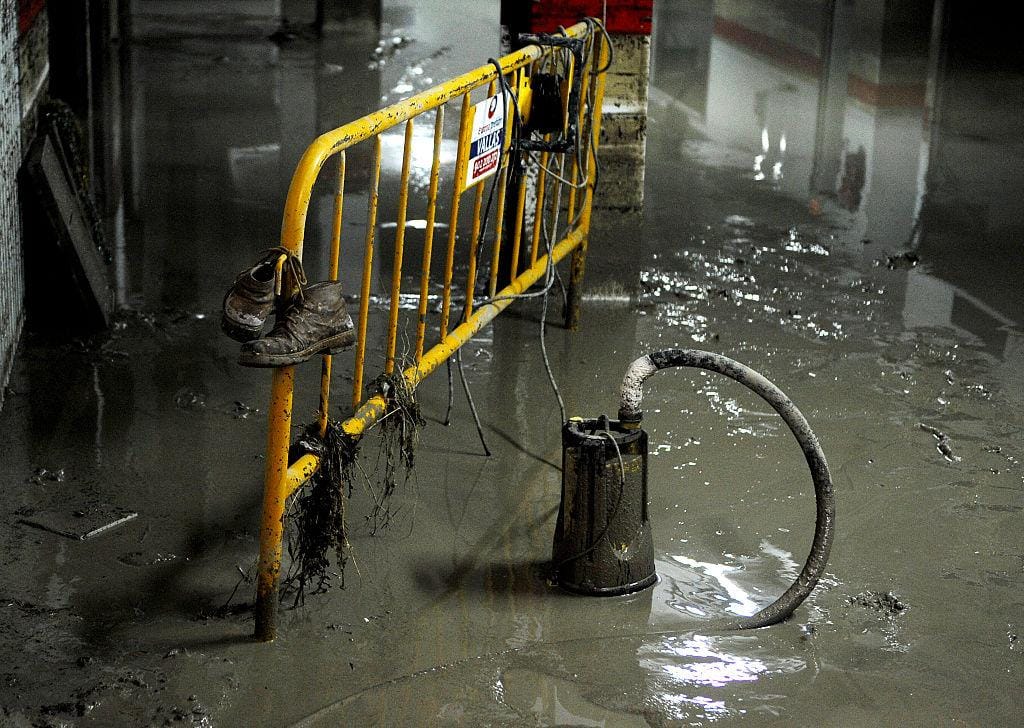
These issues are precisely why the National Construction Authority (NCA) recently issued emergency safety warnings regarding high-risk Westlands basement excavations, making structural safety a top priority for developers and tenants alike.
 Westlands Connect
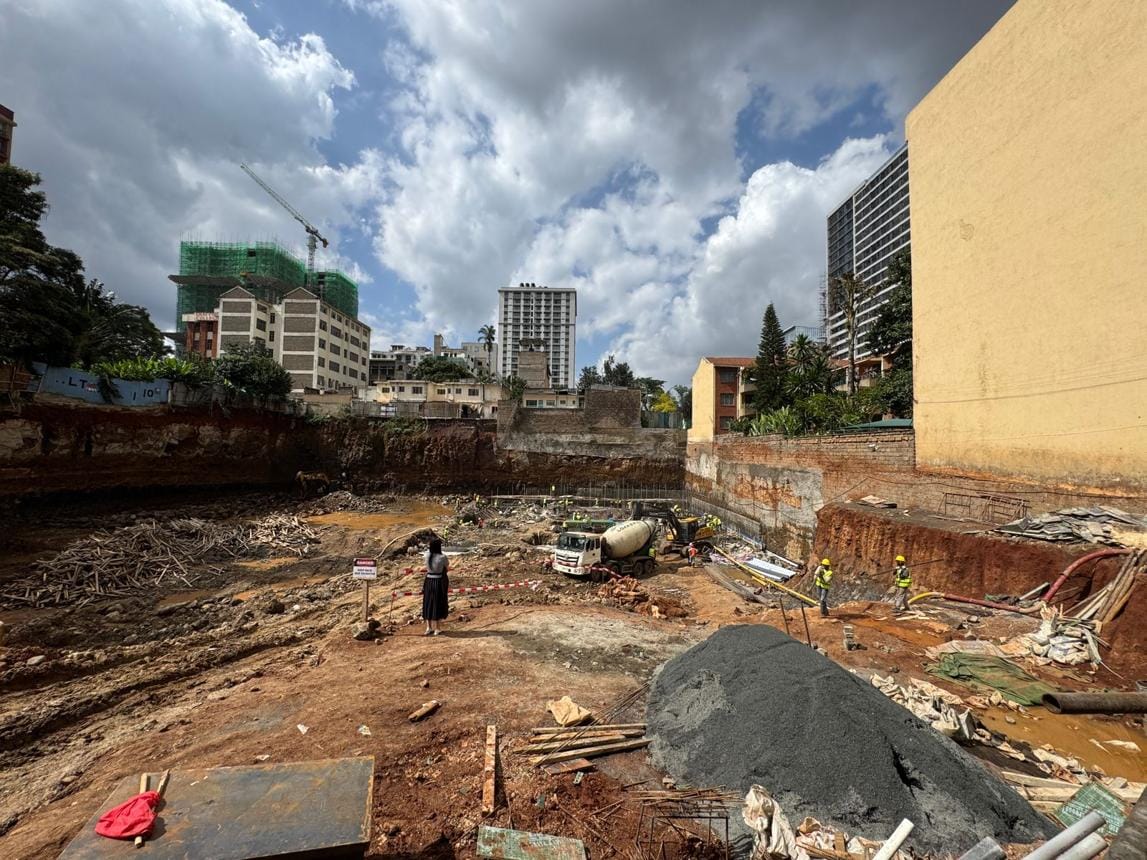
Red Flags to Watch for Before You Drive Down the Ramp
You should actively inspect your regular commercial or office parking hub. Do not park sub-surface if you notice these warning signs:
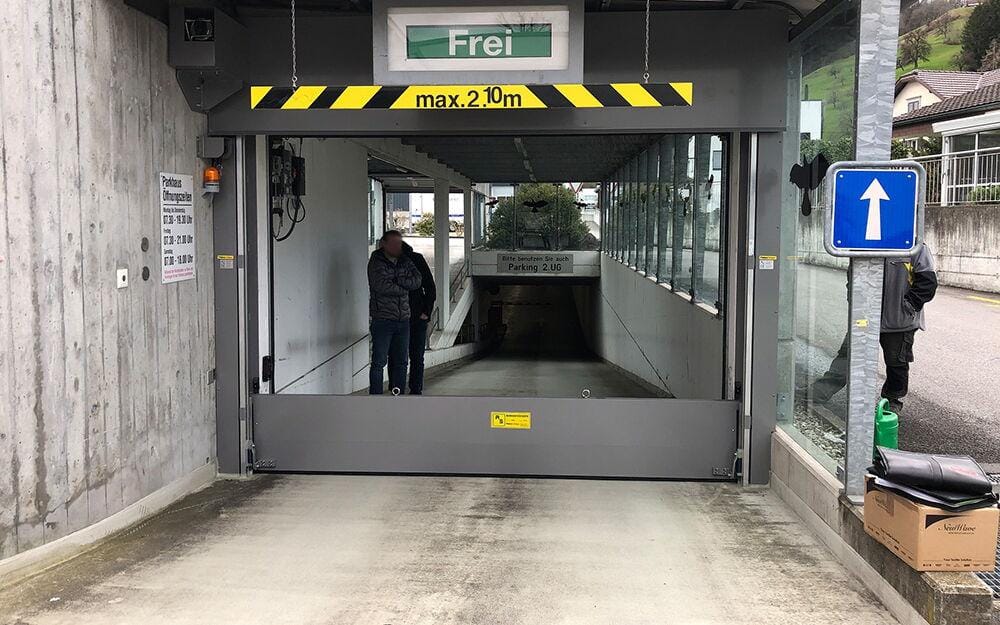
- ⚠️ Absence of Flood Barriers: Look at the top of the ramp. If there are no raised entry thresholds, perimeter storm dykes, or mechanical floodgates, street water can freely cascade into the facility.
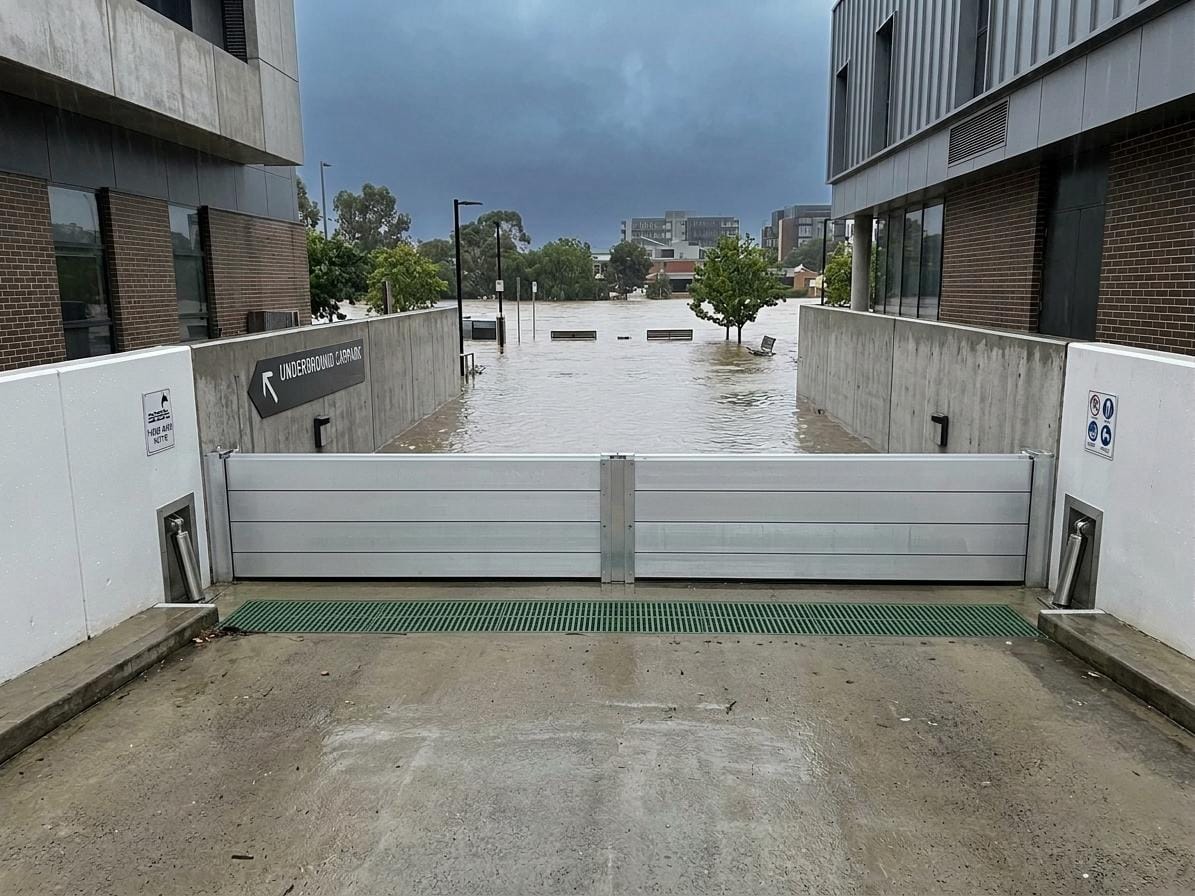
- ⚠️ Persistent Musty Odors or Standing Water: If the lower levels constantly smell damp or have pooled water during dry days, the building's structural waterproofing is likely compromised.
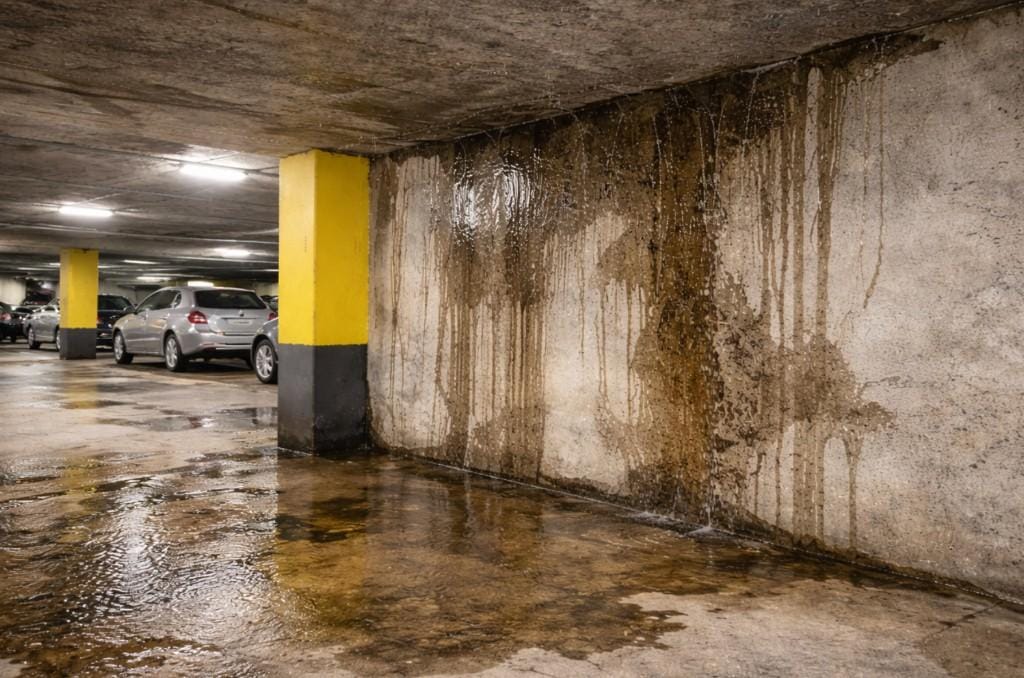
- ⚠️ Restricted Lower Tiers: If facility managers have cordoned off the lowest basements (Level -2 or -3), it is a clear indicator that the building's sump pumps are struggling to keep up with the water table.
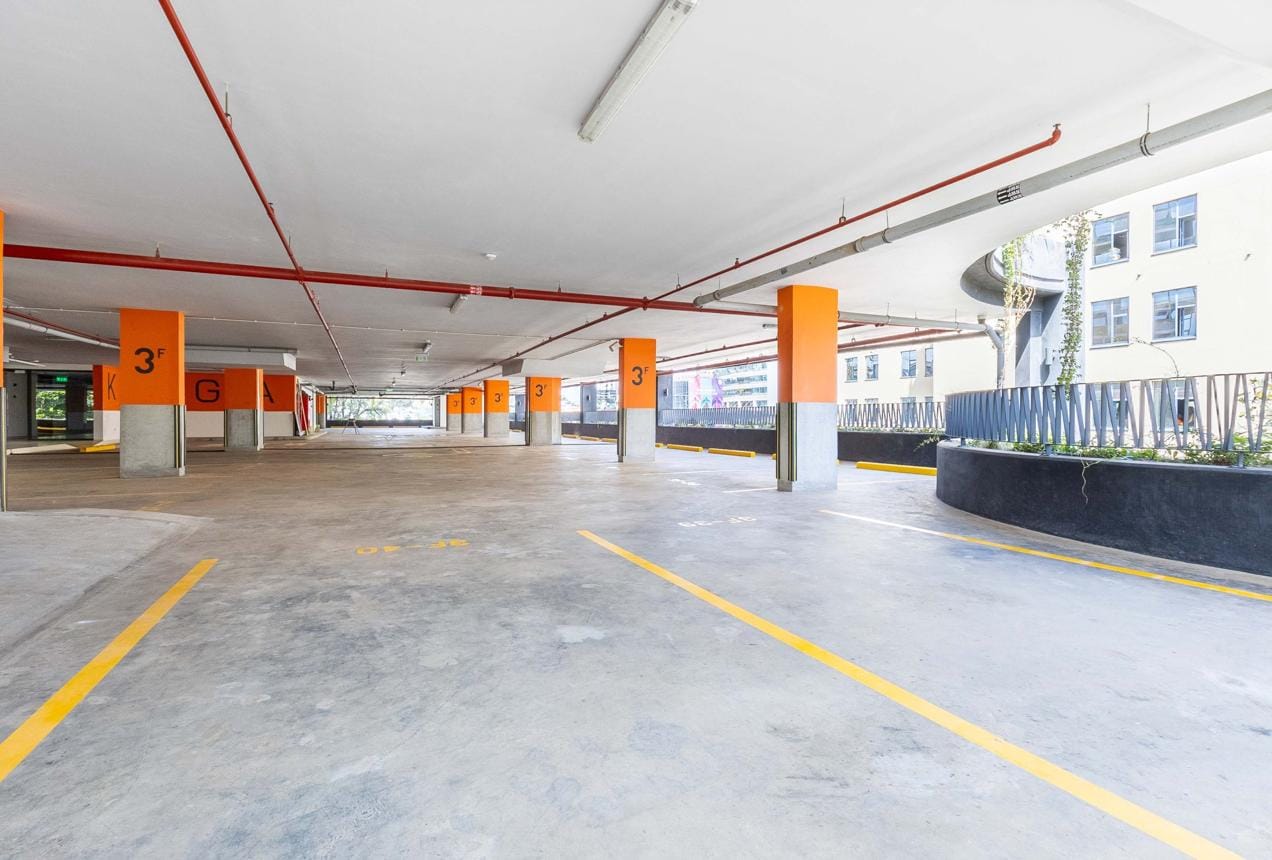
If you notice any structural anomalies extending beyond the basement, such as widening cracks in the stairwells or misaligned frames, be sure to read our comprehensive resident's guide on how to spot structural red flags in your apartment block to protect your living space.
 Westlands Connect
Commuter Safety Rules for the Rainy Season
The Institution of Surveyors of Kenya (ISK) and safety agencies strongly recommend that motorists alter their parking habits during periods of intense, continuous rainfall:
- Opt for Elevated Parking: Whenever a heavy storm is forecasted or actively pounding the city, prioritize open-air street parking (even if it means paying county daily rates via NairobiPay) or choose multi-storey above-ground parking garages over deep basements.
- Never Leave Your Car in Low-Lying Zones Overnight: If you work late or leave your vehicle parked long-term near known flood hotspots, such as parts of Upper Hill, the CBD Sunken Car Park, or areas around Westlands' Sarit Centre, move it to an upper floor before nightfall.
- Evacuate Immediately If Water Rises: If you are inside an underground garage and notice water entering rapidly, abandon the vehicle and exit on foot via the pedestrian stairwells immediately. Just a foot of moving water can sweep a vehicle away or trap you inside as electronic door locks short-circuit.
Is Your Regular Office Hub Compliant?
Building owners have a strict legal and architectural duty to safeguard their tenants. The National Construction Authority mandates that all commercial buildings with multi-level basements must operate functional stormwater diversion systems and maintain active geotechnical site safety files.
If your office park or apartment complex experiences recurring basement flooding, ask facility management to share their defensive engineering protocols. If the risks are consistently ignored, protect your investment by finding alternative parking above ground level.