

In any fast-growing city, you can measure the pace of the economy by watching what happens between 12:30 PM and 2:00 PM. In Tokyo, it is the precision of the ekiben and convenience-store cold chains.
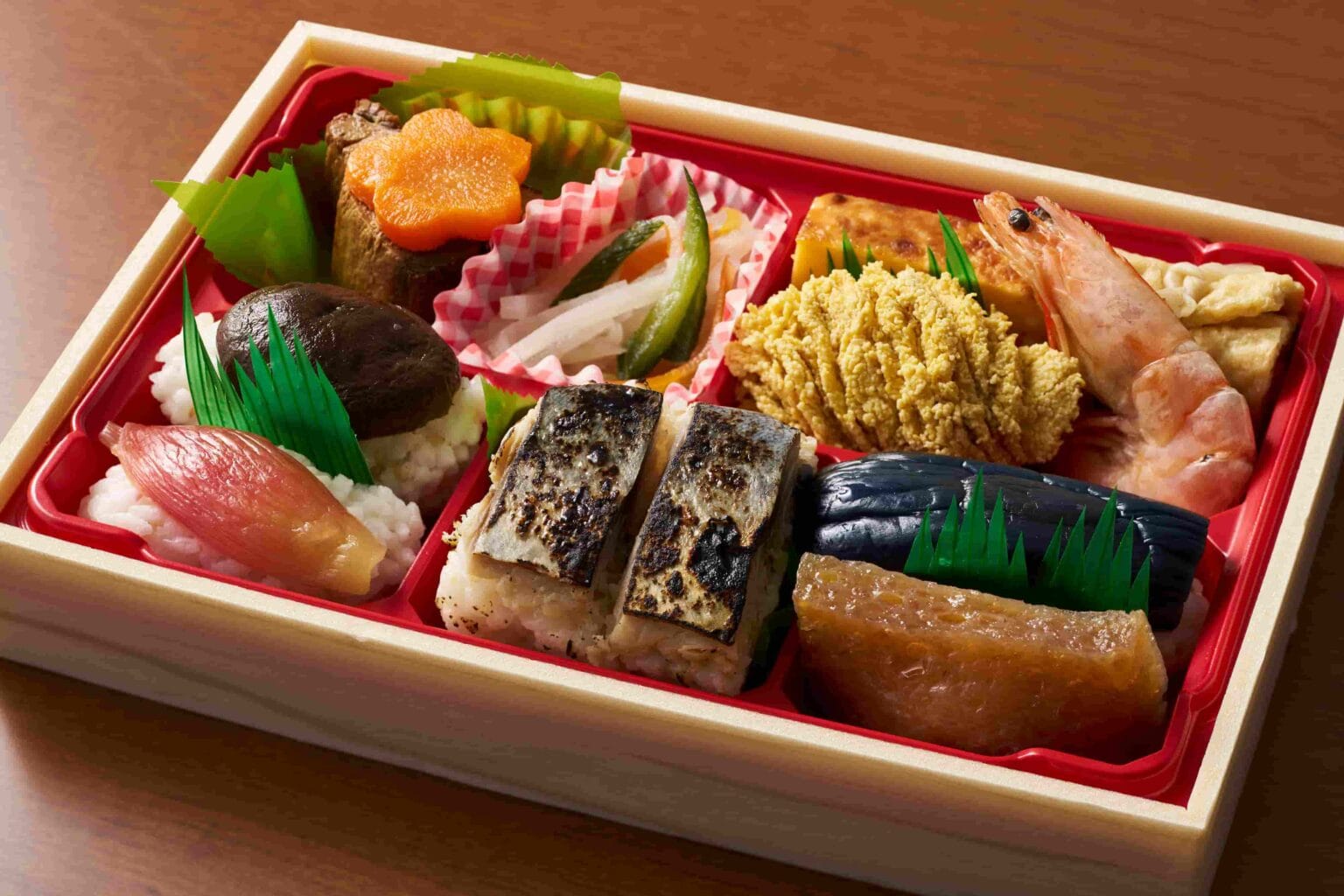
Ekiben (駅弁) are pre-packaged boxed meals (bento) sold at train stations and on long-distance trains (such as the Shinkansen bullet trains) in Japan.
In New York and London, it is the rise of hyper-efficient salad bars and ghost kitchens built for a 25-minute break between calls.
In Nairobi, local entrepreneurs are beginning to respond to this shift in interesting ways. One example is Focaccia Kenya, a homegrown food venture exploring a different approach to the everyday office lunch. It is one of several emerging businesses reflecting how Nairobi's relationship with convenience and quality food is adapting fast.
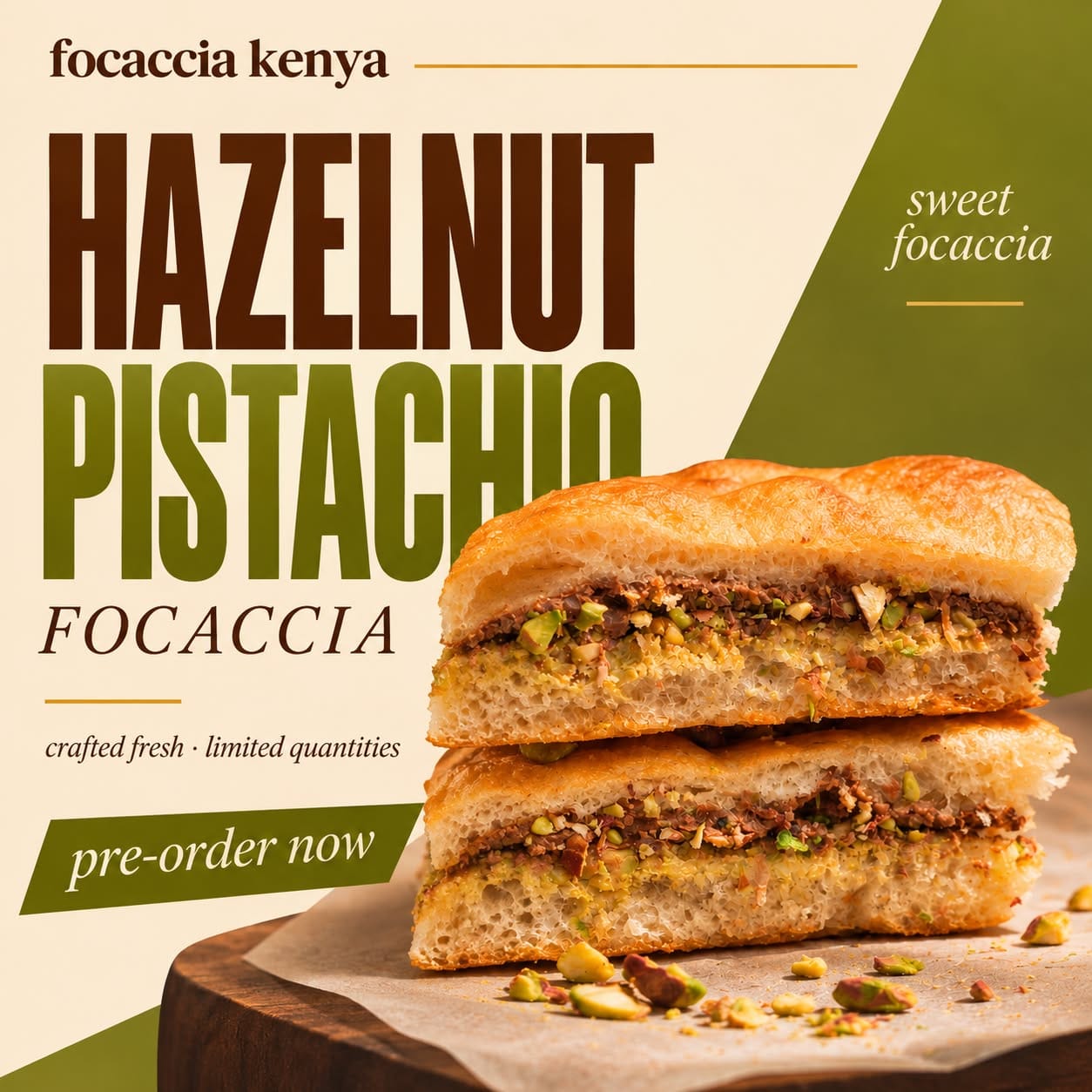
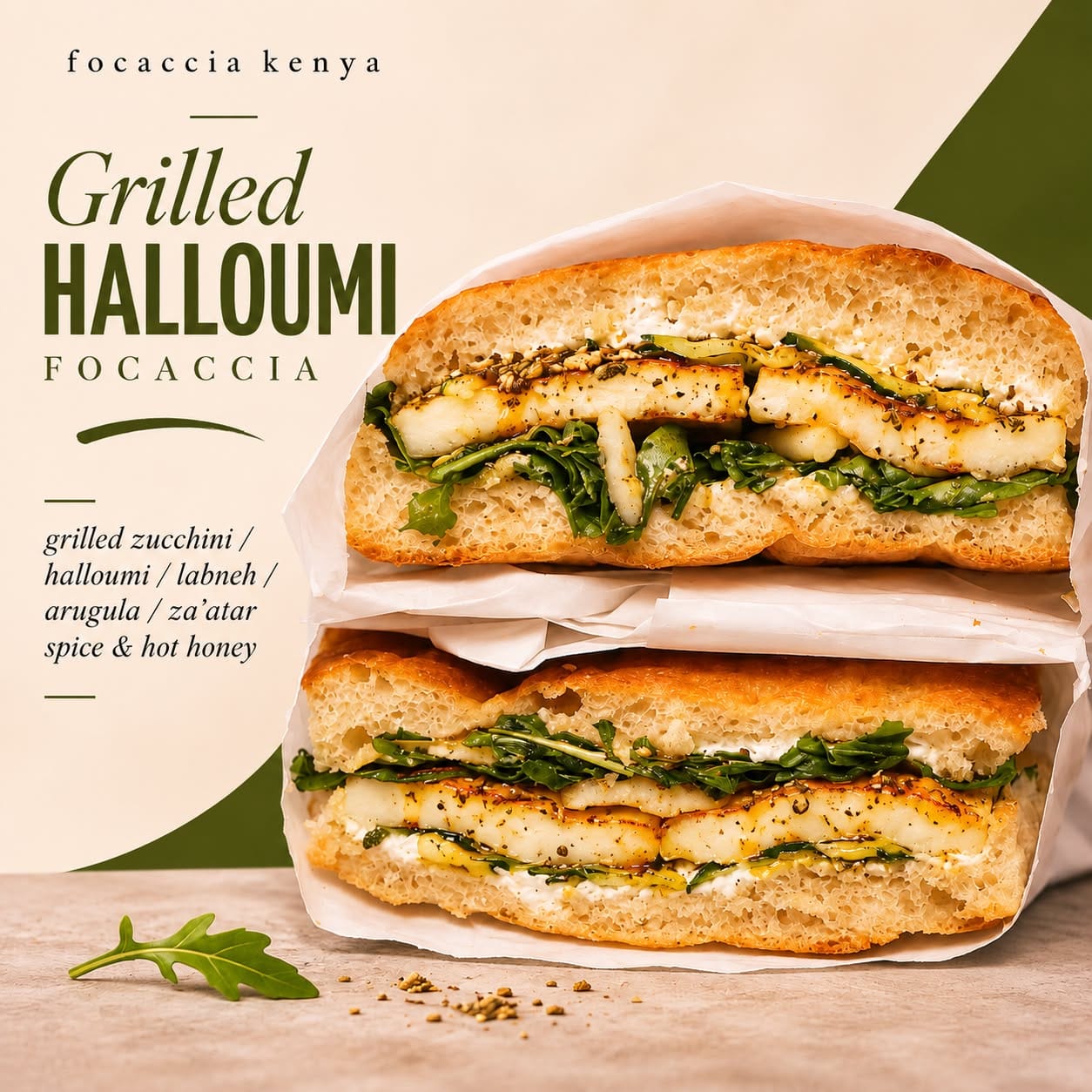
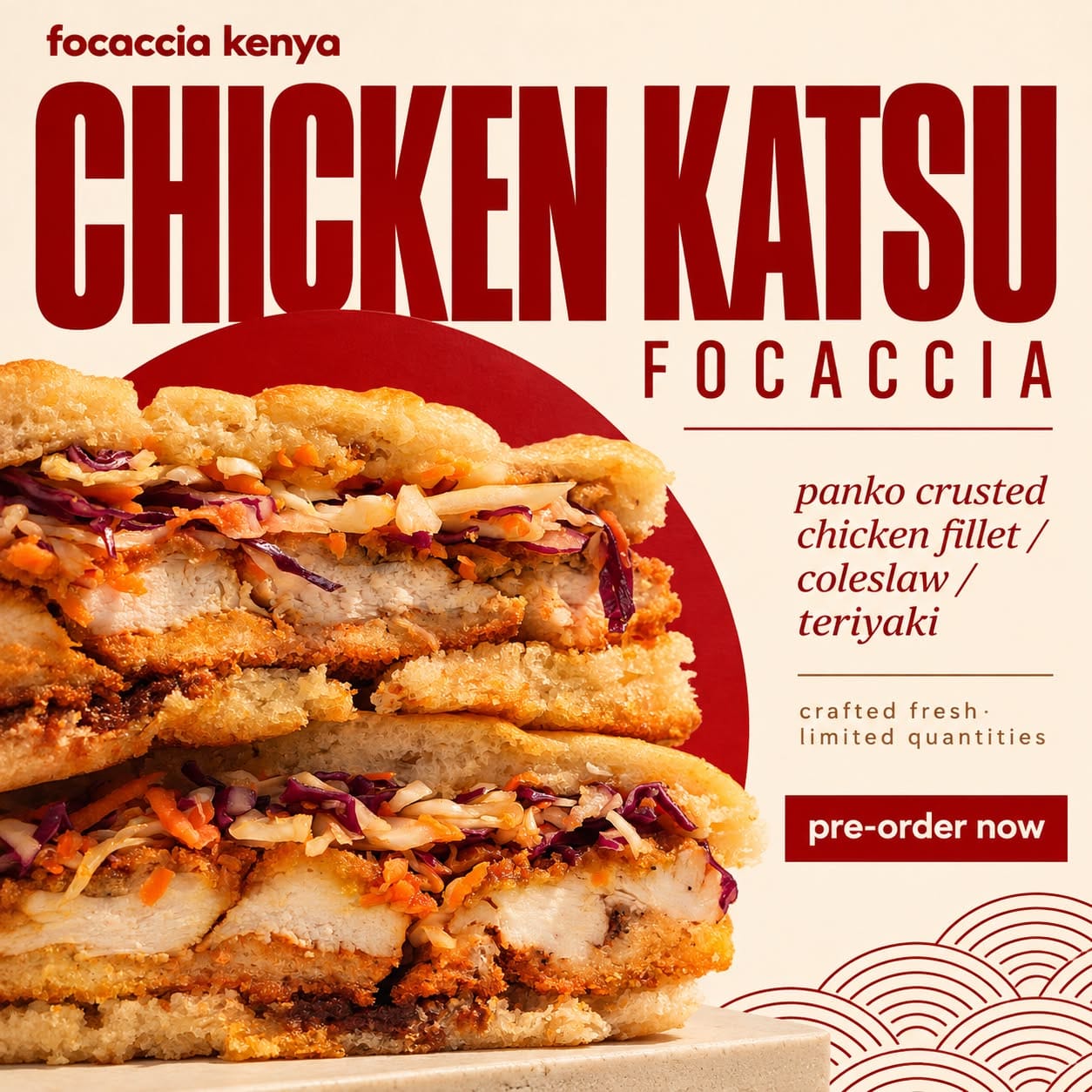
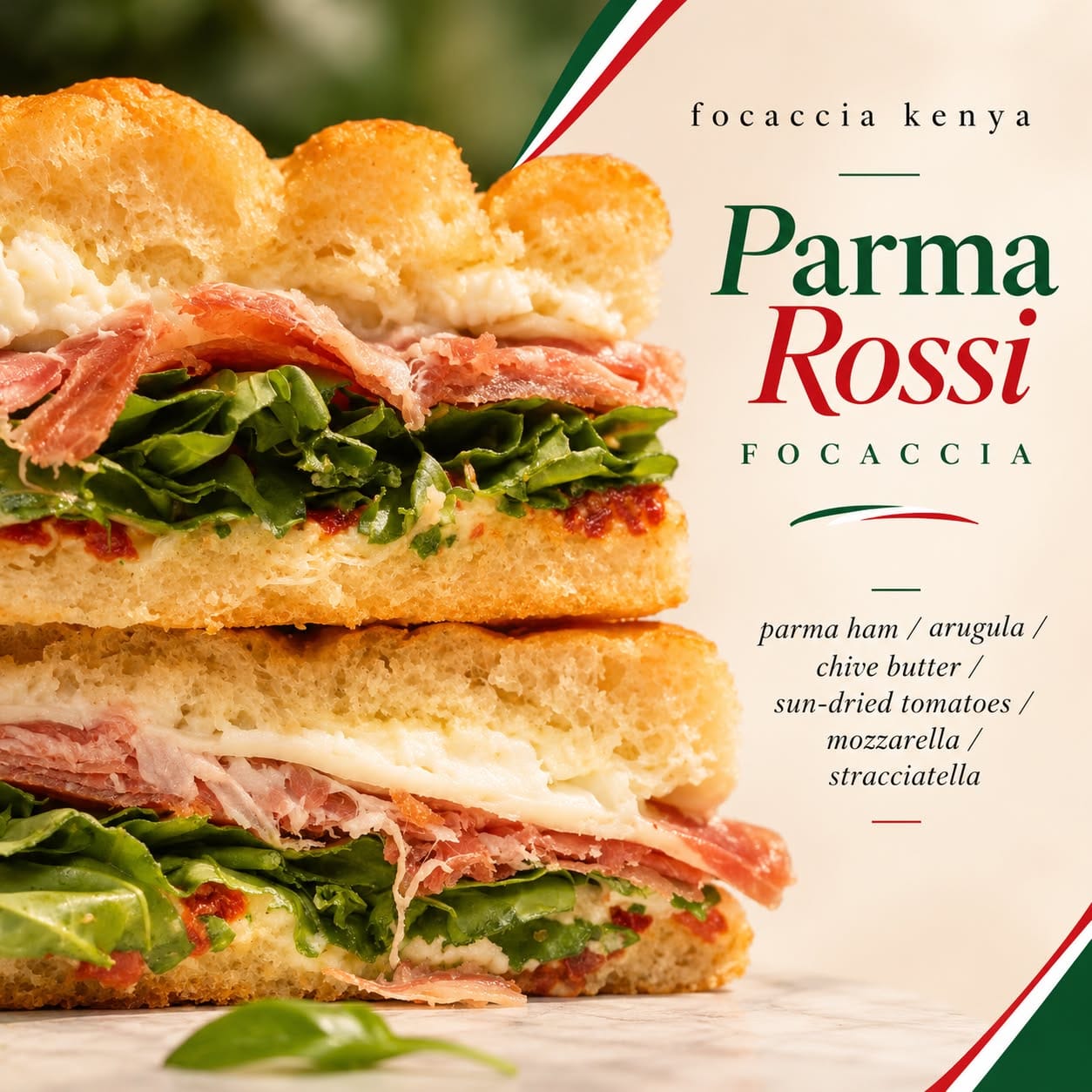


Across Westlands, Upper Hill, Kilimani, and the CBD, Nairobi is undergoing its own quiet transformation. Thousands of professionals face the same question every working day: what are we having for lunch?
For some, it means stepping out of the office, navigating traffic, finding a restaurant and returning before the next meeting. For others, it means ordering delivery, grabbing something nearby or settling for whatever is quickest. Behind that daily routine sits one of the city's fastest-evolving business opportunities.
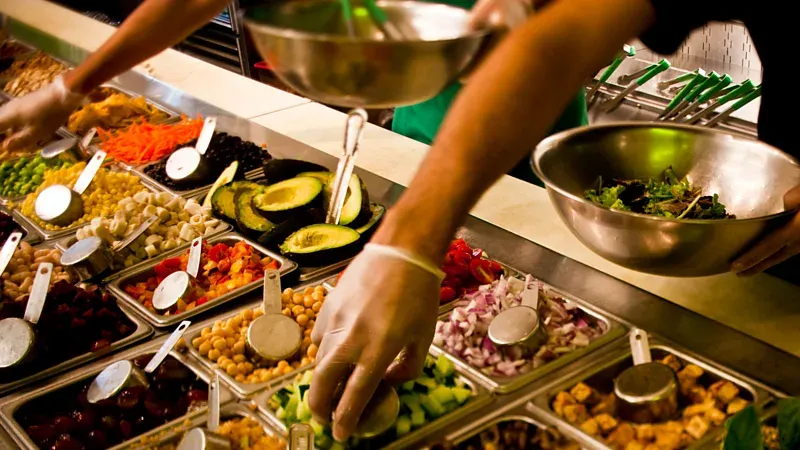
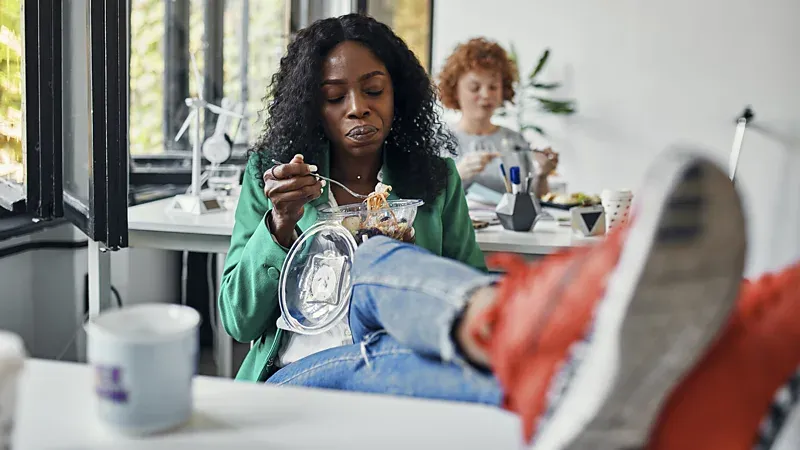
The "sad desk salad": a health-conscious, often boring lunchtime mainstay for many N.Y office workers (Credit: Getty)
Lunch is becoming a logistics problem
As Nairobi matures into a major regional business hub, with denser commercial activity and hybrid work structures, time has inevitably become the single most expensive ingredient on the menu.
Think about a professional working in Westlands. They have a one-hour lunch break, perhaps less. They might not want to leave the office, queue, find parking, wait for food and return.
The businesses winning this window are the ones solving the movement and preparation of food, a shift underscored by the recent expansion of Glovo in Kenya.
In May 2026, Glovo announced plans to invest an additional KSh 10 billion in Kenya by 2030. The company had reported 40% year-on-year growth in Kenya by the end of 2025, more than 6,000 merchants and 2,200 active riders daily.
While this signals just how rapidly on-demand urban commerce is scaling, delivery is only one part of the emerging market.
The infrastructure behind the lunch economy
Some of Nairobi's most interesting food businesses are not traditional restaurants. They are building the infrastructure that allows smaller food brands to operate with lower overheads and reach customers without opening conventional outlets.
Take Kitchens For You, a Kilimani-based shared-kitchen operator renting out equipped commercial kitchen space for food entrepreneurs. Its model gives chefs, bakers and delivery-focused brands access to production facilities in flexible blocks, without the cost of establishing a full restaurant.

The opportunity extends to the corporate market. NOBO, for example, focuses on organising office meals. Companies can consolidate employee orders and scheduled deliveries through one system, with entire team's food budget coordinated around the needs of an entire workplace.

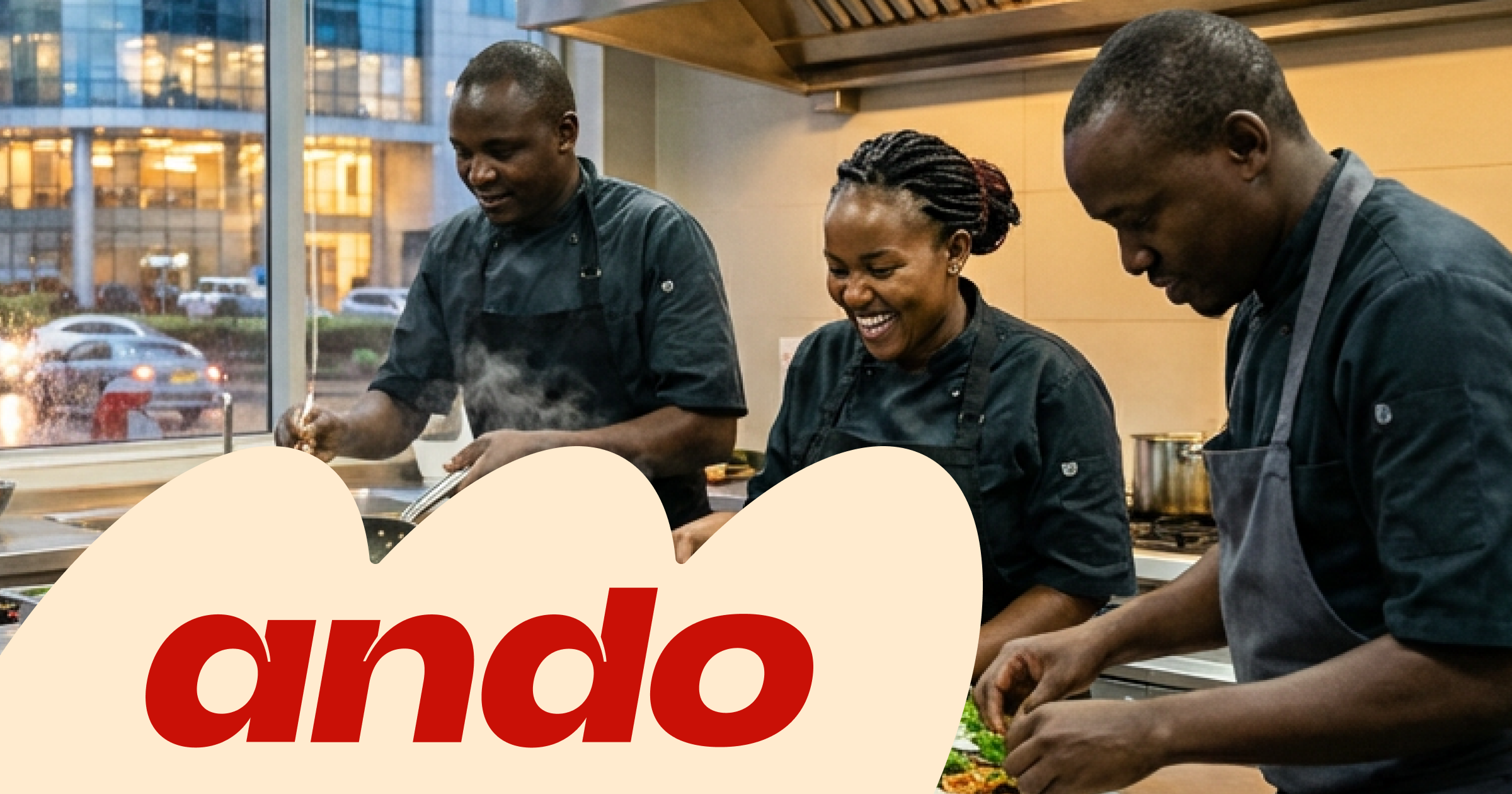
At the scale end of the spectrum, operators like Ando Foods have built a network of delivery-only kitchens running multiple distinct restaurant brands under one roof, using proprietary routing software to batch orders across the city.

The rise of the functional meal
Convenience alone is not enough. What people eat also matters.
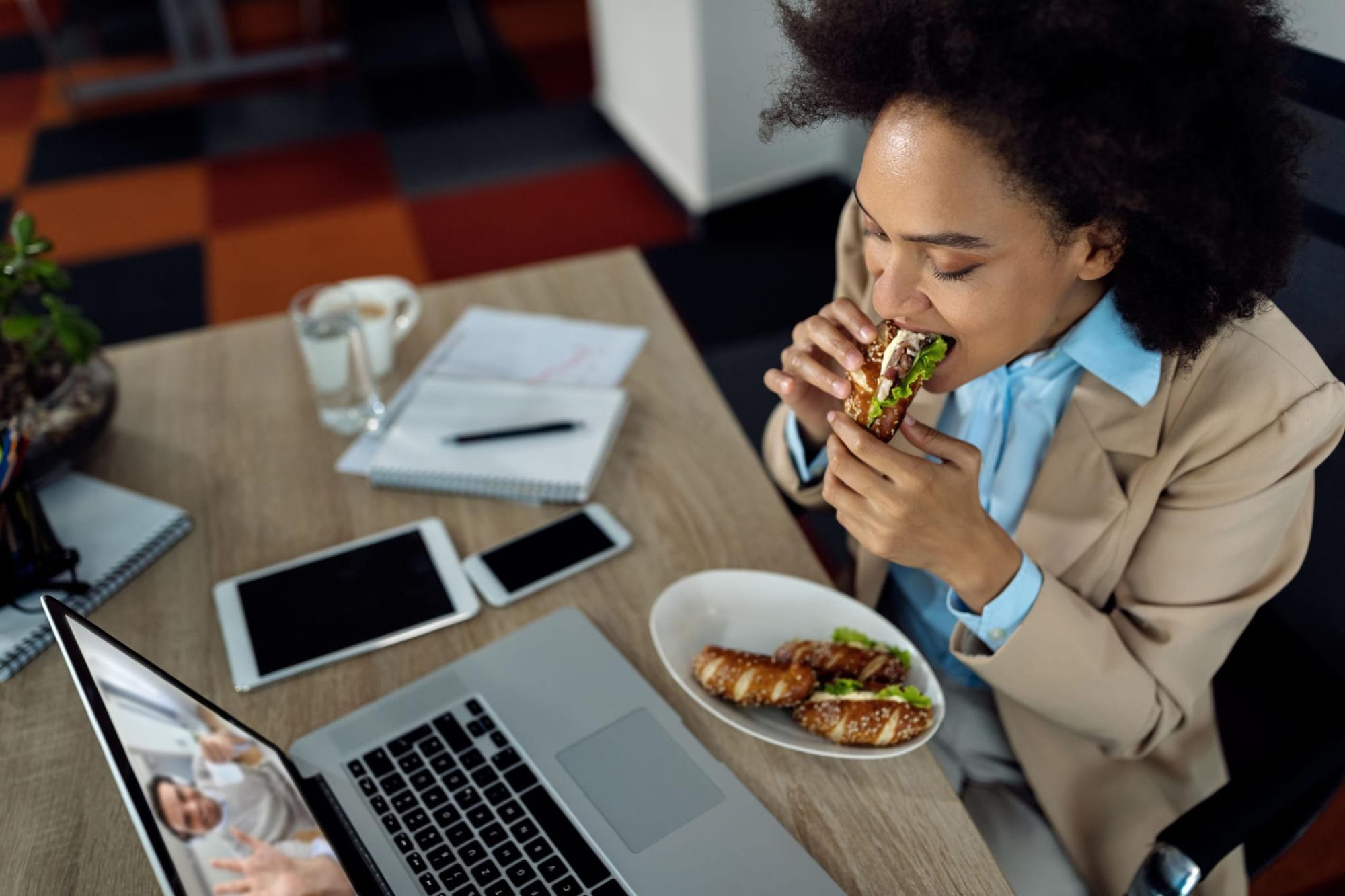
For professionals spending most of their day at a desk, lunch has to fit around their workload and personal preferences. Some want lighter meals. Others prioritise protein, fresh ingredients, specific dietary requirements or simply something satisfying that will not leave them feeling uncomfortable for the rest of the afternoon.
Nairobi’s middle-and high-income workforce has become noticeably more intentional about nutrition, creating room for specialised food businesses.
Wellness-driven ventures like Fit Kitchen and EatCleanAchara have turned this realisation into predictable recurring subscriptions, catering to professionals who want macro-counted bowls and wraps without thinking much about it.
Scarcity economics and the value of what gets made
At the other end of the market, another model is emerging of high quality, limited production built around carefully planned daily or monthly releases.
Instead of a sprawling menu, these businesses are choosing to produce smaller quantities, manage availability and sell in defined batches, while prioritizing highest quality production possible. This is the idea behind what has become known as "drop culture".
For a significant segment of the growing workforce, a simple lunch should still bring a more considered food experience into an ordinary working day: something that feels thoughtfully prepared, has restaurant-quality and can be eaten at the desk.
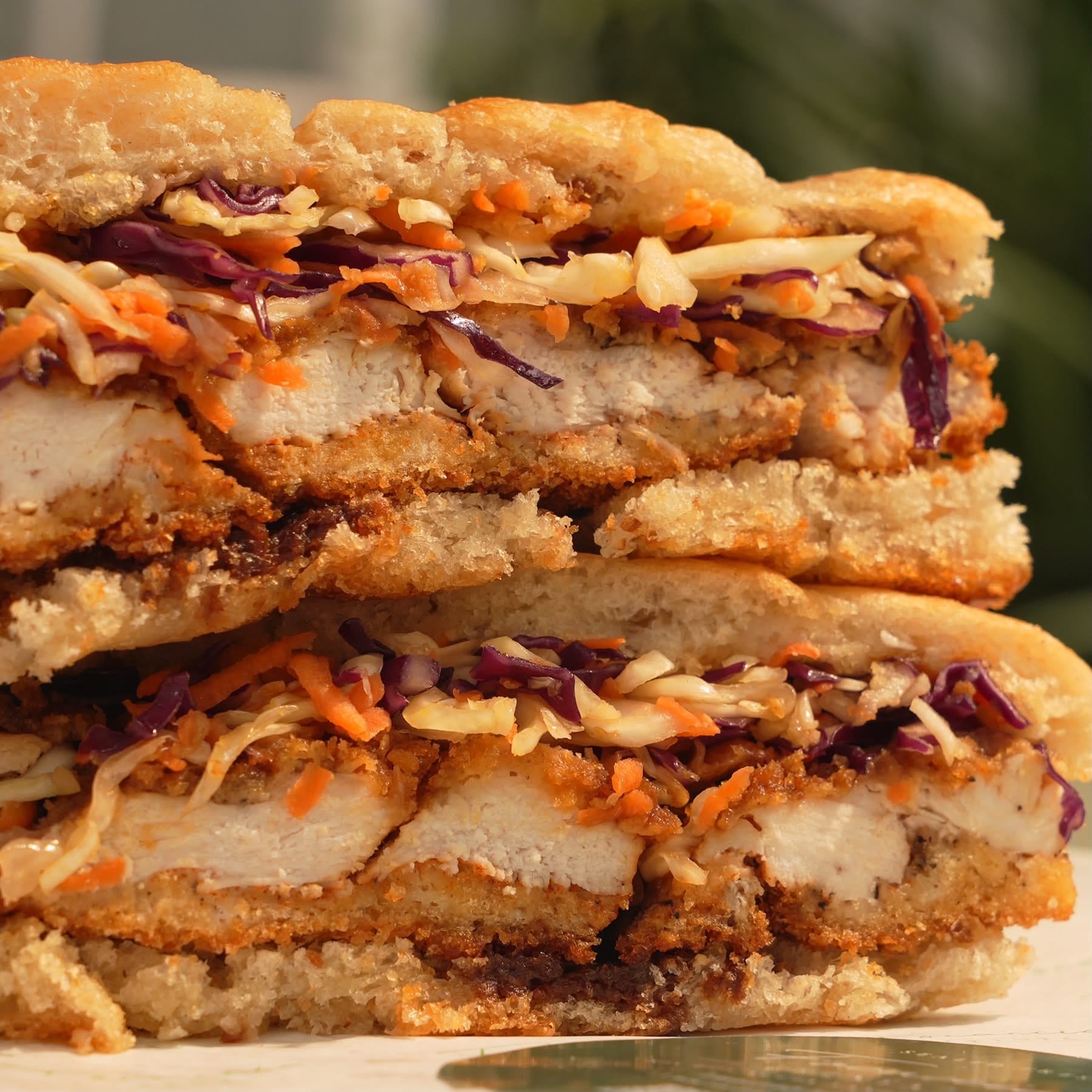
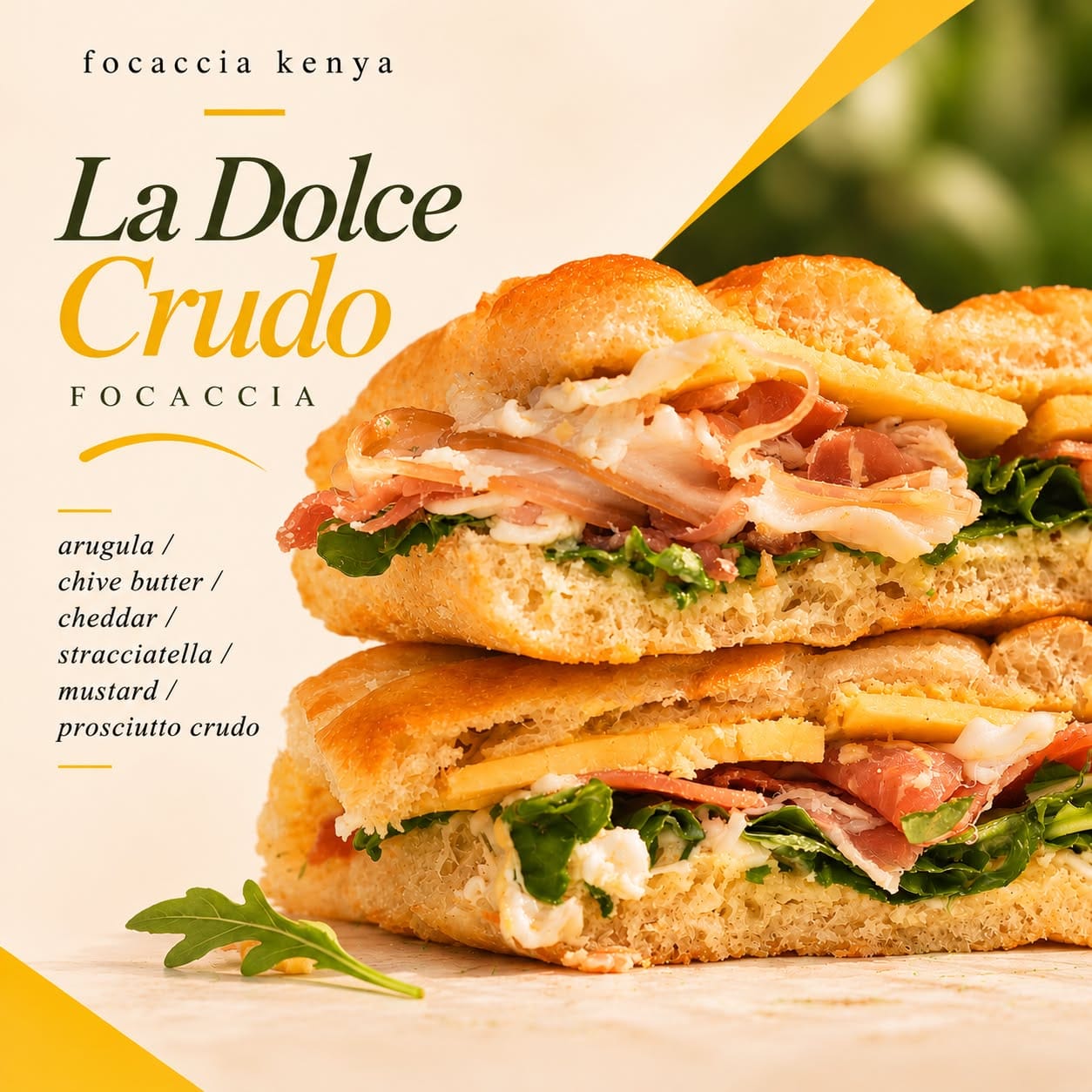
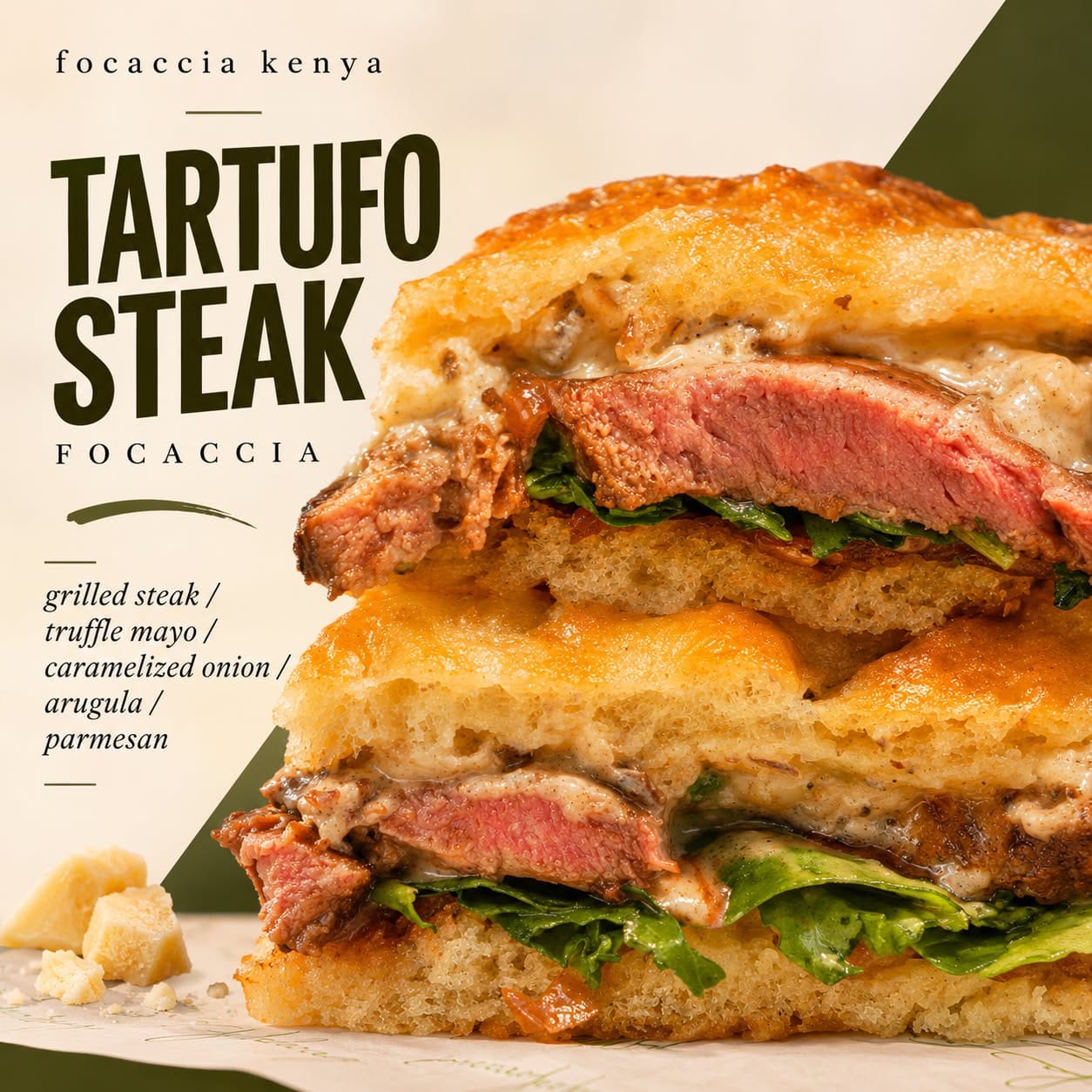
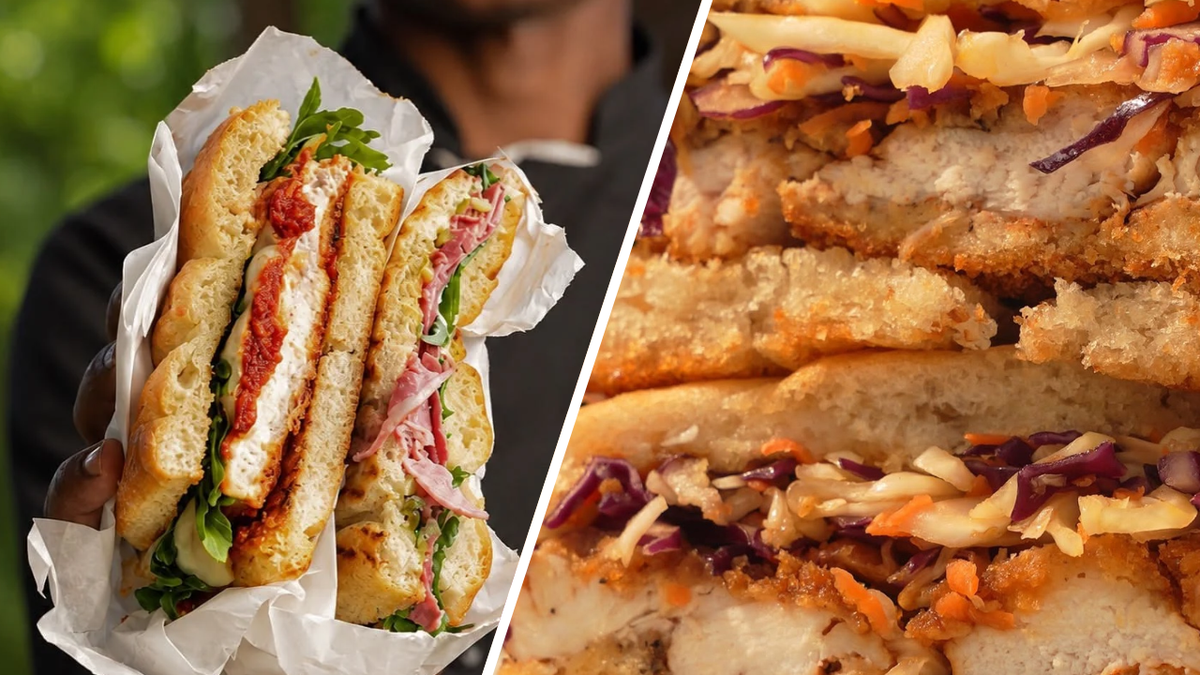
A prime example of this lean, hyper-intentional approach is Focaccia Kenya, a daytime culinary spin-off operating out of The Wine Shop in Loresho. The concept centers on releasing a tight monthly drop of six to eight chef-driven focaccia sandwiches, ranging from Halloumi & Hot Honey to Beef Pastrami and Crispy Panko Chicken where customers can order online for collection or delivery.
To learn more, read our earlier deep dive on how Focaccia Kenya Is Bringing a Fresh Take on Sandwiches to Nairobi.
 Westlands Connect
Technology, Supply, and the Zero-Waste Kitchen
Technology is also changing how Nairobi's food businesses manage inventory, demand and waste.
Agile operators are combining live digital inventory with tools Nairobians already use everyday. At Focaccia Kenya, for instance, customers choose their sandwiches and preferred delivery window online before completing the order via a pre-filled WhatsApp prompt and M-Pesa. Because the web storefront tracks live daily stock, orders automatically roll over to the next day once a batch sells out, turning simple tech into a zero-waste production engine. Explore how the daily batch and delivery system works on Focaccia Kenya.

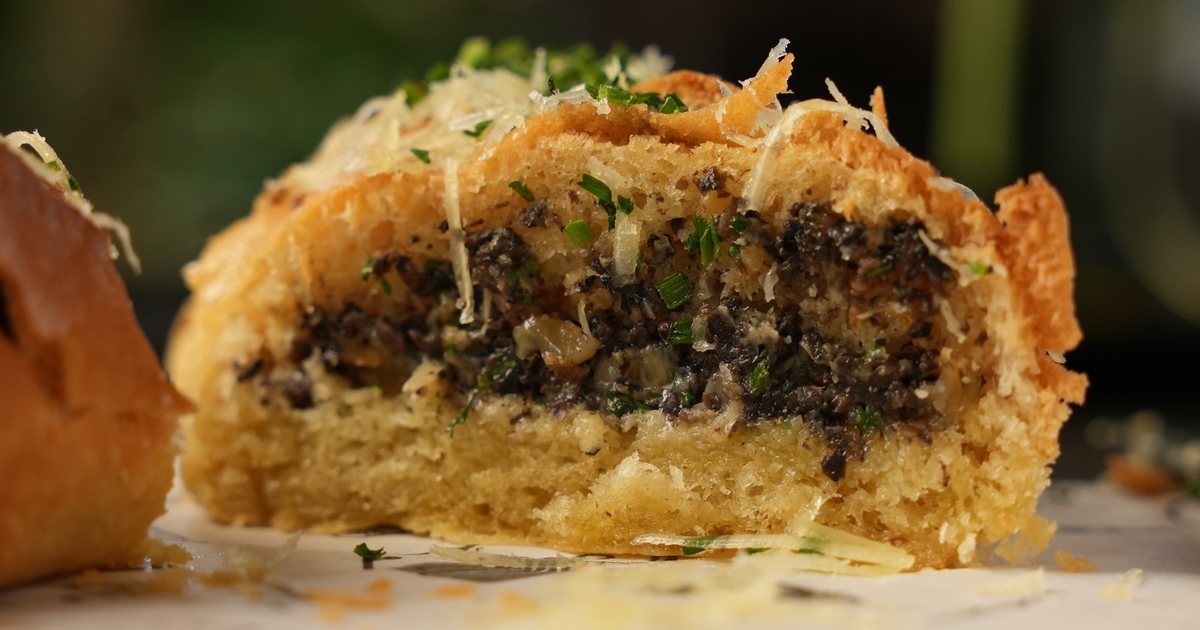
At the broader retail end of the market, technology is solving the exact same waste problem in reverse. Platforms like Msossi connect consumers with surplus meals, groceries, and baked goods from Nairobi restaurants, bakeries, and supermarkets at discounts of up to 70%. Businesses recover some value from products that might otherwise go unsold, while customers access food at lower prices.
What This Means for Nairobi’s Future
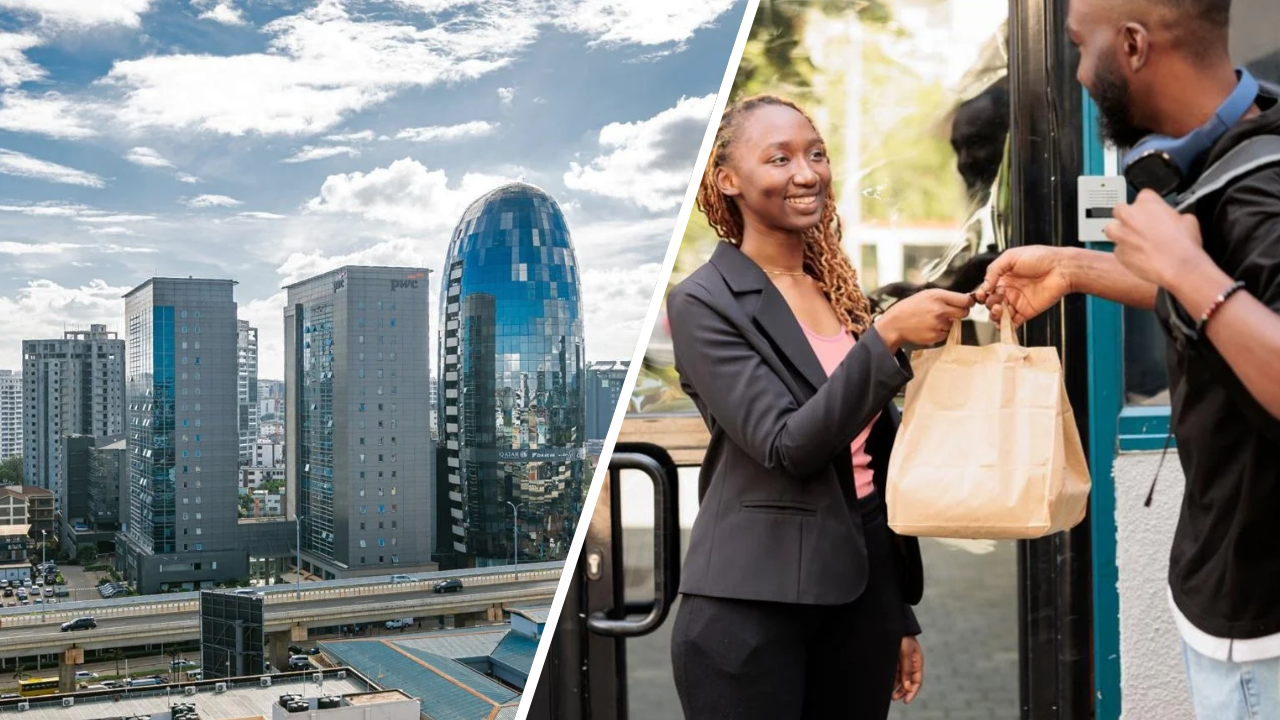
Taken together, these businesses could help point to a larger truth about where Nairobi is headed. As the city’s skyline grows taller and its business districts grow denser, convenience is no longer a luxury, but an economic necessity. The winners will be the operators who understand and build around the rhythm of a city in motion.