


Some time in the third week of December, Westlands changes. The traffic on Waiyaki Way thins out. Office towers go dark. Parking spaces appear where there were none. Nairobi is going home for Christmas.
The great December exodus
For many Nairobians, Christmas means the journey upcountry: to parents, grandparents and the home village. Bus stations fill, fares rise and the city empties noticeably for a couple of weeks. In Westlands, a district built around offices, the effect is dramatic.
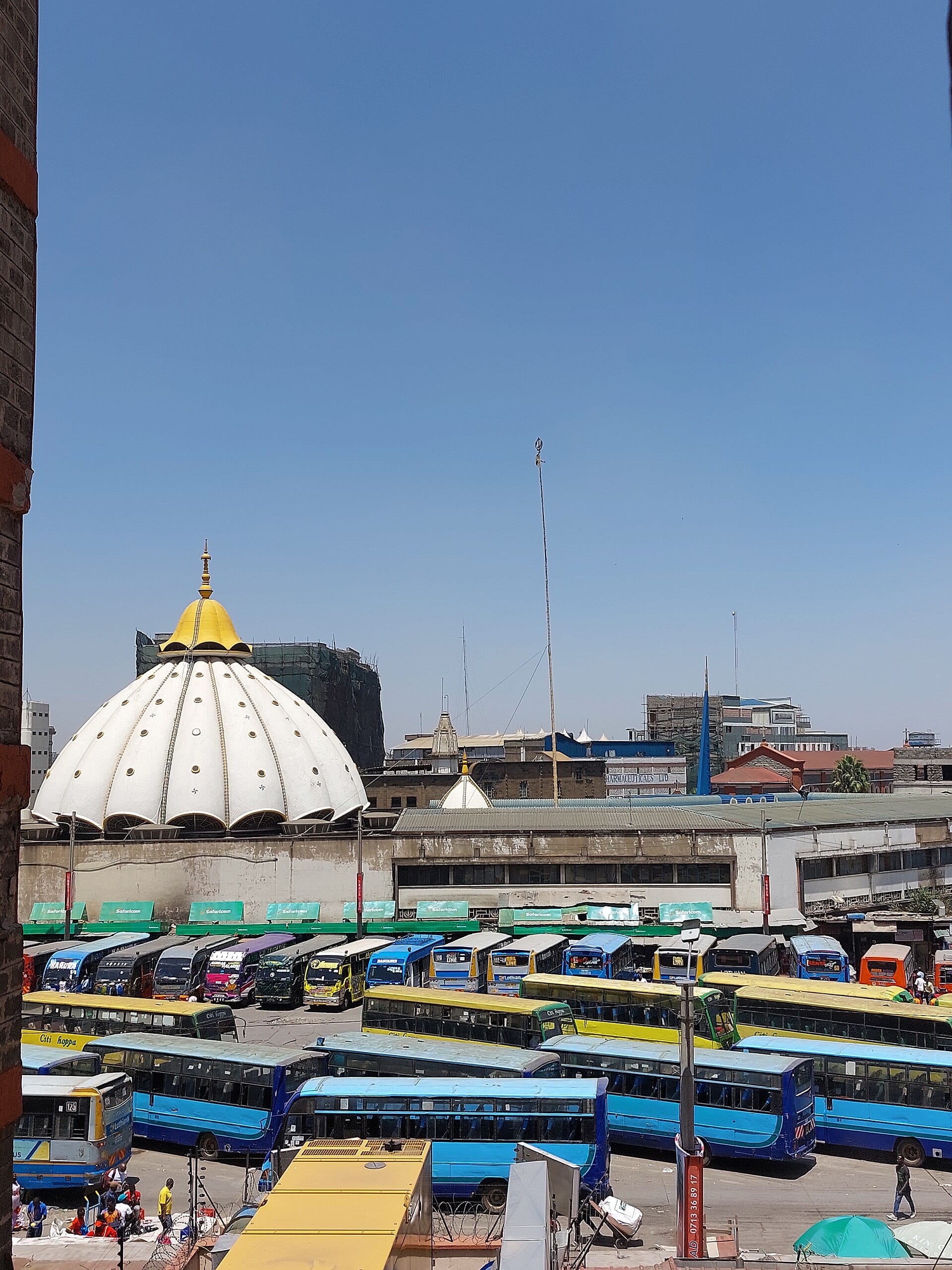
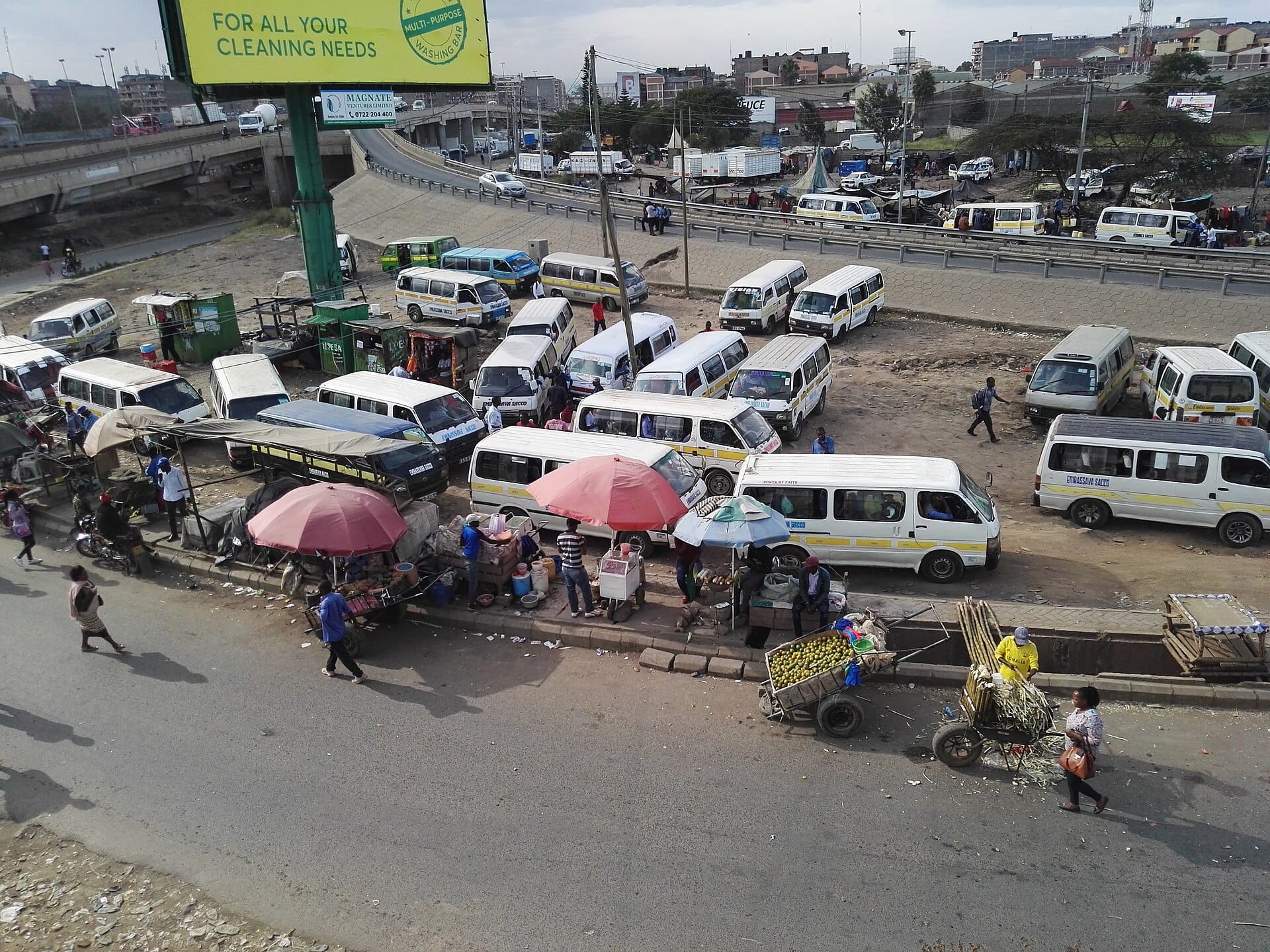
Christmas Day on 25 December and the public holiday on 26 December give most workers at least two days off, and many offices close until the new year.
25 December: Christmas Day, public holiday.
26 December: public holiday.
1 January: New Year's Day, public holiday.
Many offices close from Christmas until the new year.
The city for those who stay
For those who stay, December can be the best time of year to be in Westlands. Roads that take an hour in October take ten minutes. Restaurants that are fully booked most of the year have tables. Parks and forests, from Karura to City Park, are quieter. The neighbourhood's expatriate, diplomatic and Asian communities, many of whom stay in the city, keep their own traditions going, from carol services to family gatherings.
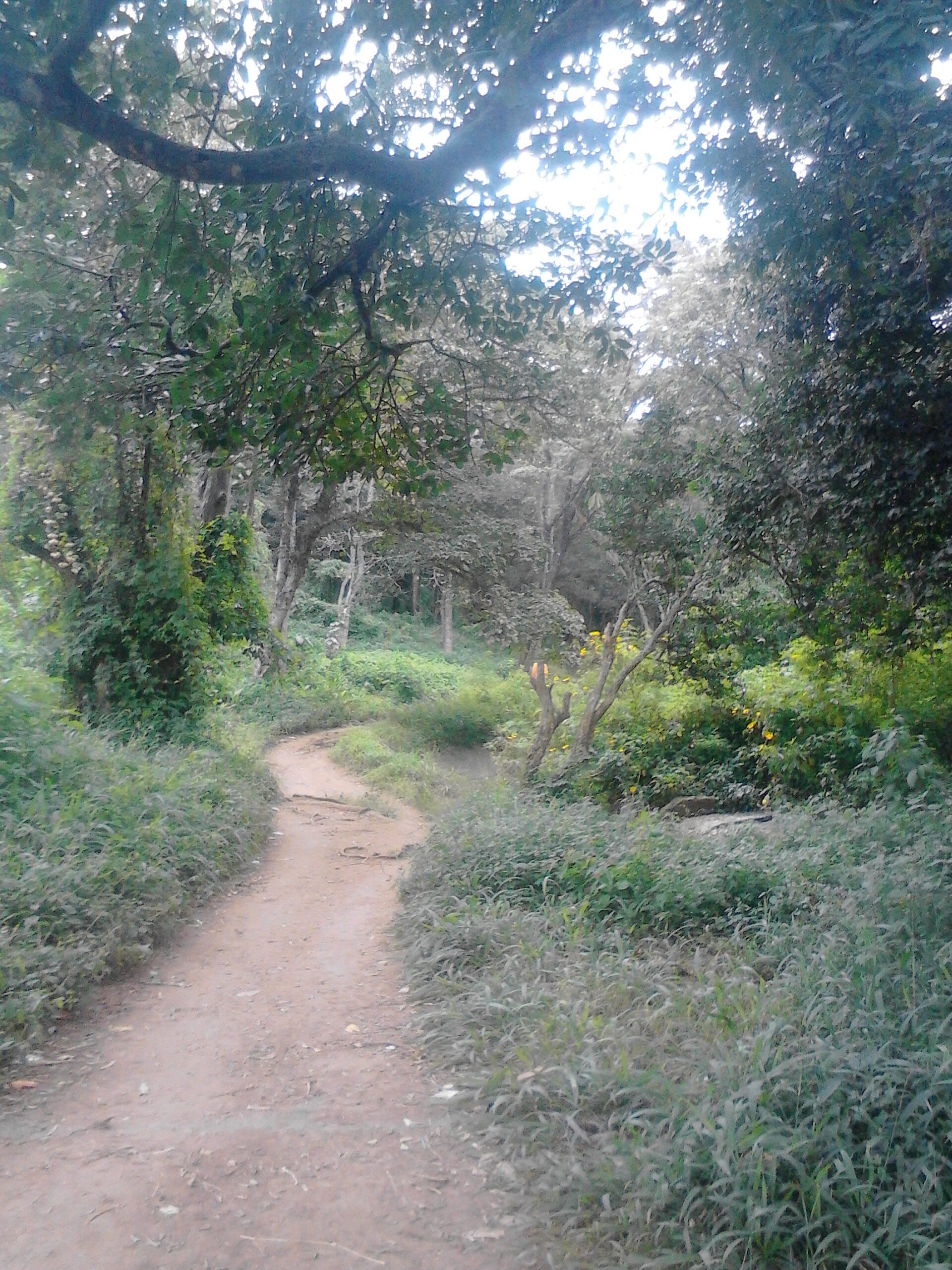
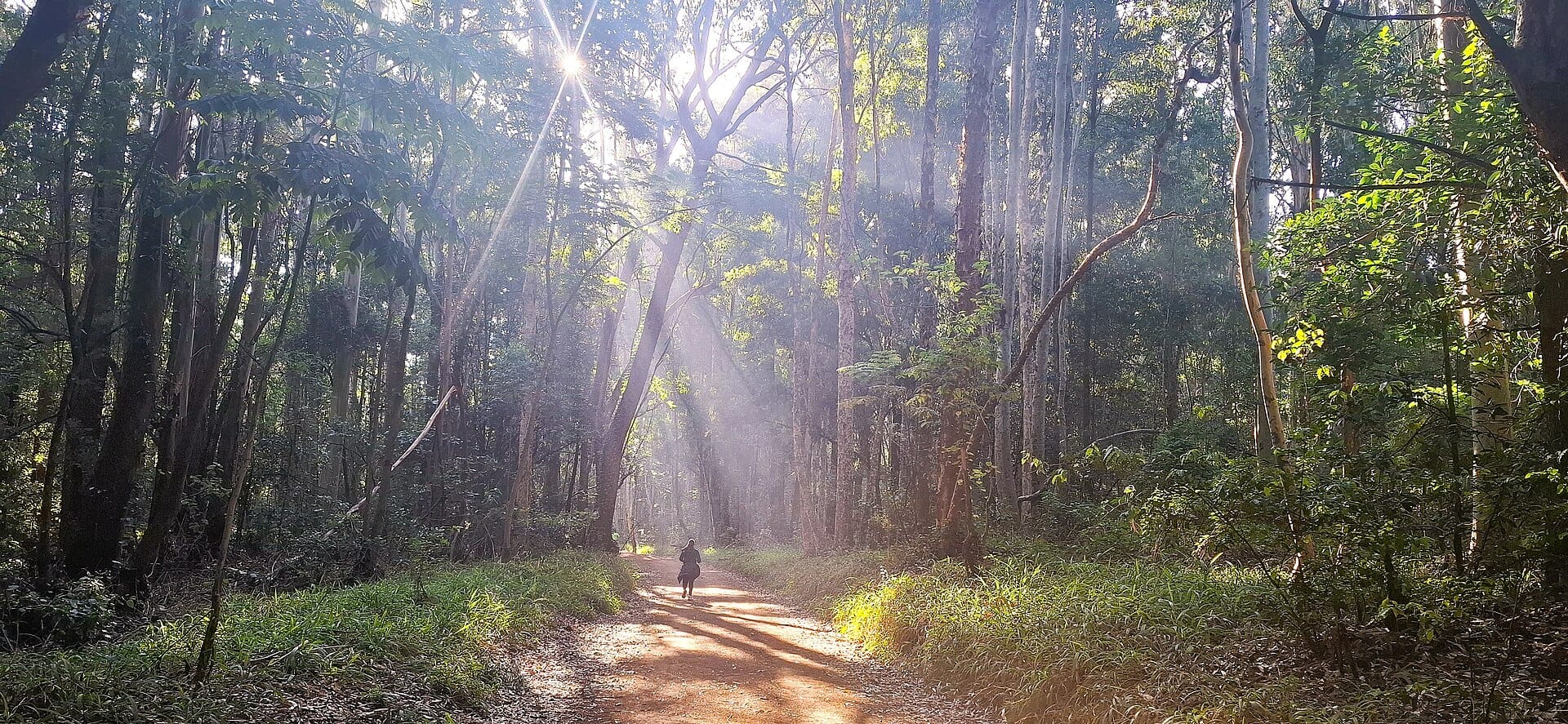
Malls fill with Christmas decorations, markets and children's activities, and for families who do not travel, they become a kind of town square.
The pressure to spend
The darker side of a Nairobi Christmas is money. December brings travel costs, gifts, big family meals and the expectation of generosity, all just before January school fees and rent. For many households, the holiday creates debt that lasts well into the new year.
- Set a budget for gifts and travel before December starts.
- Book upcountry travel early, before fares rise.
- Remember that January rent and school fees come quickly after Christmas.
- Free activities like forest walks and church events are some of the best parts of the season.
What we think
The December quiet is a reminder of how much Westlands depends on people who do not live here. When they go home, the neighbourhood's real residents get a glimpse of a calmer, more walkable city. It is worth enjoying, and worth asking why it only happens once a year.