
Ask anyone who has lived in Westlands for a few years and they will tell you the same thing: it costs more every year. Rent, parking, a coffee, a lunch. But the bigger change for many residents has been on their payslip.
Less money before you spend a shilling
Two deductions now come out of formal salaries before anyone pays rent. The Affordable Housing Levy takes 1.5% of gross pay, and since October 2024 the Social Health Insurance Fund (SHIF) has taken 2.75% of gross pay, replacing the old flat NHIF contribution. For a middle-income earner, that is a noticeable cut in take-home pay at the same time as everyday prices continue to rise.
Affordable Housing Levy: 1.5% of gross pay.
SHIF: 2.75% of gross pay, since October 2024.
Plus PAYE income tax, before rent and 16% VAT on most purchases.
Rent is the real divide
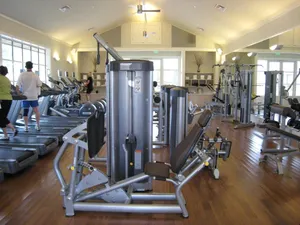
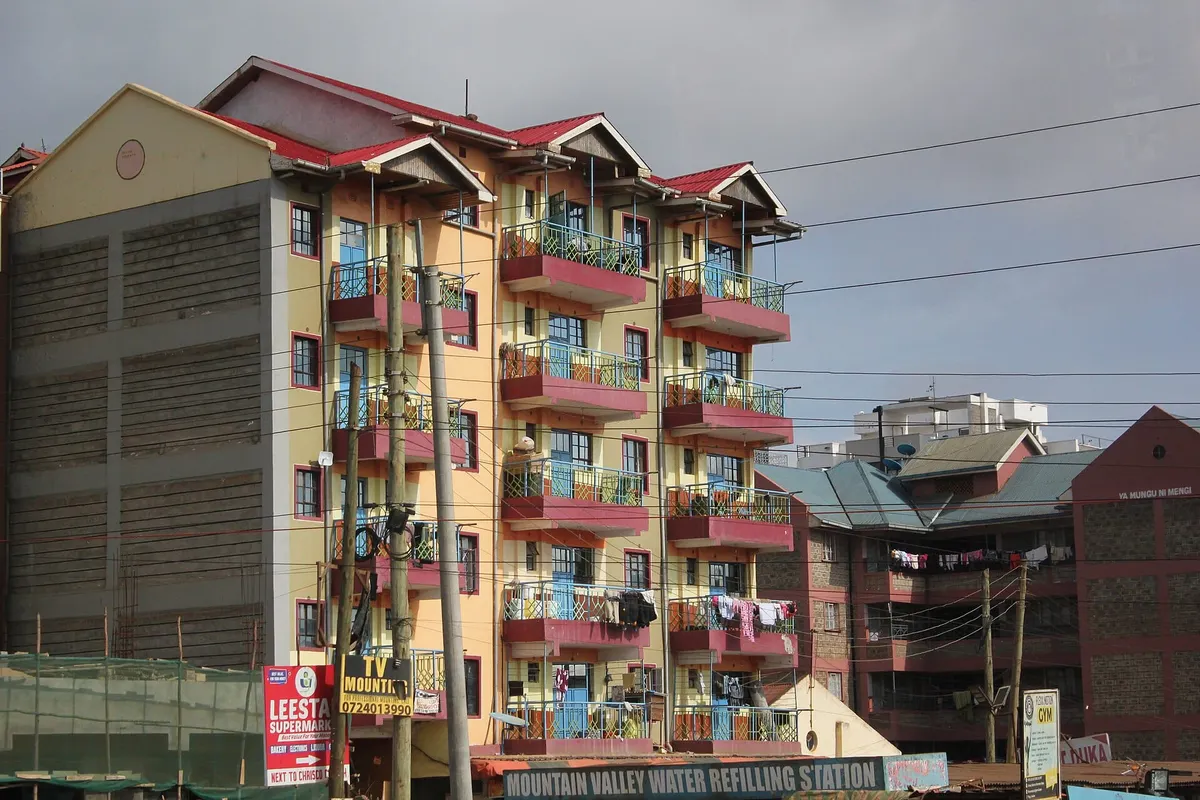
Westlands' rents reflect who it was built for: diplomats, multinationals and companies paying housing allowances. Modern apartments come with backup generators, gyms, pools and security, and the rents to match. That works for people on international or corporate packages. It works much less well for the young professionals, nurses, teachers, shop workers and security guards who make the neighbourhood function.
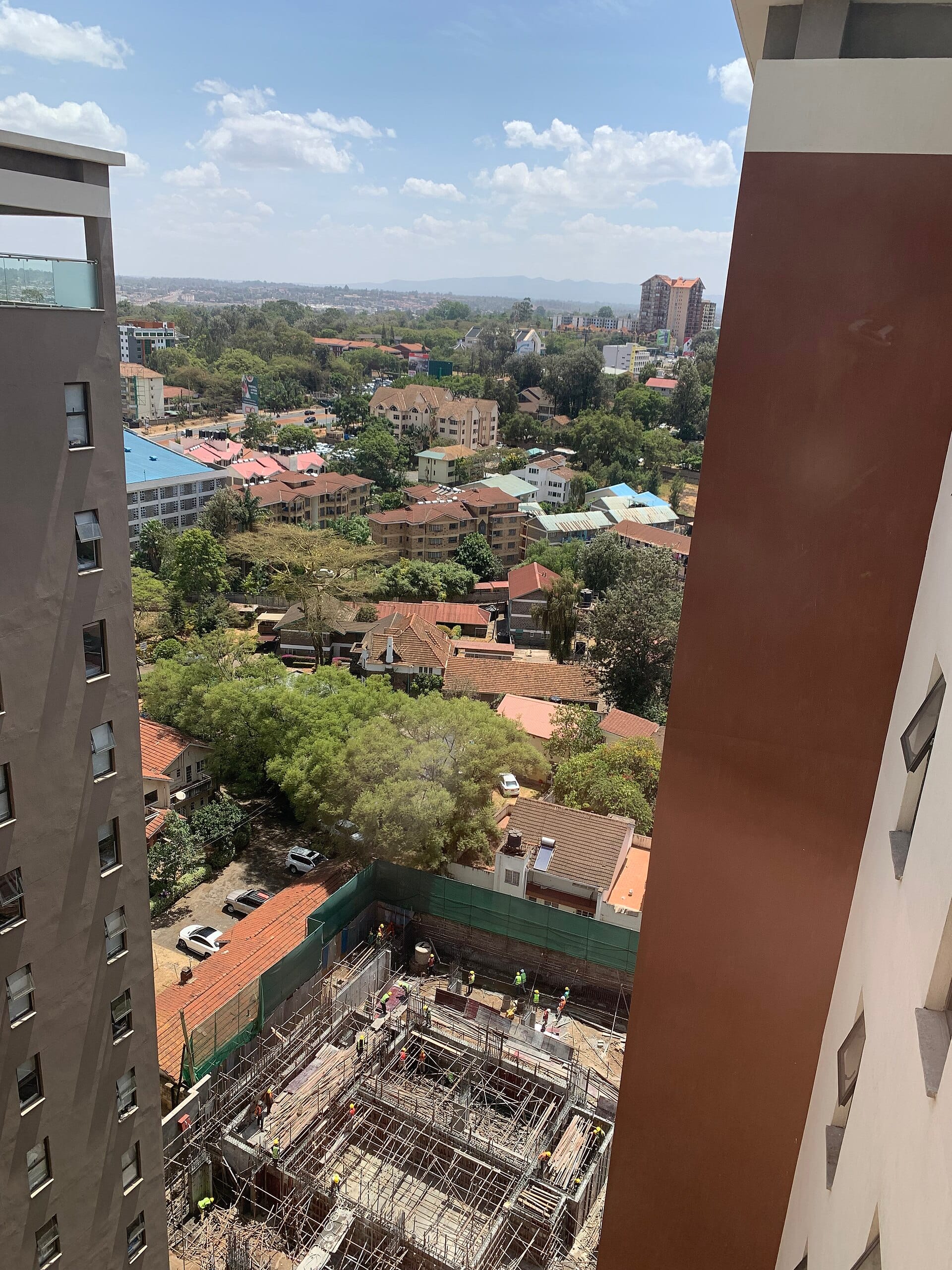
Many of them commute in from Kangemi, Kawangware or further out, spending hours and a real share of their income on transport. Westlands is becoming a place where people work but cannot afford to live.


Hidden costs
- Service charges in newer buildings can add a large amount to the monthly bill.
- Parking at offices and malls adds up quickly for anyone who drives.
- Backup power and water are often built into rent or service charges, which is part of why modern apartments cost more.
- Deposits of two or three months' rent make moving expensive.
What we think
A neighbourhood that only the well-paid can afford becomes less interesting, less safe and harder to run. Westlands needs more mid-priced housing, better and cheaper transport links from the estates around it, and developers willing to build for people on Kenyan salaries rather than only expatriate allowances. Until that happens, the cost of living here will keep deciding who gets to belong.