
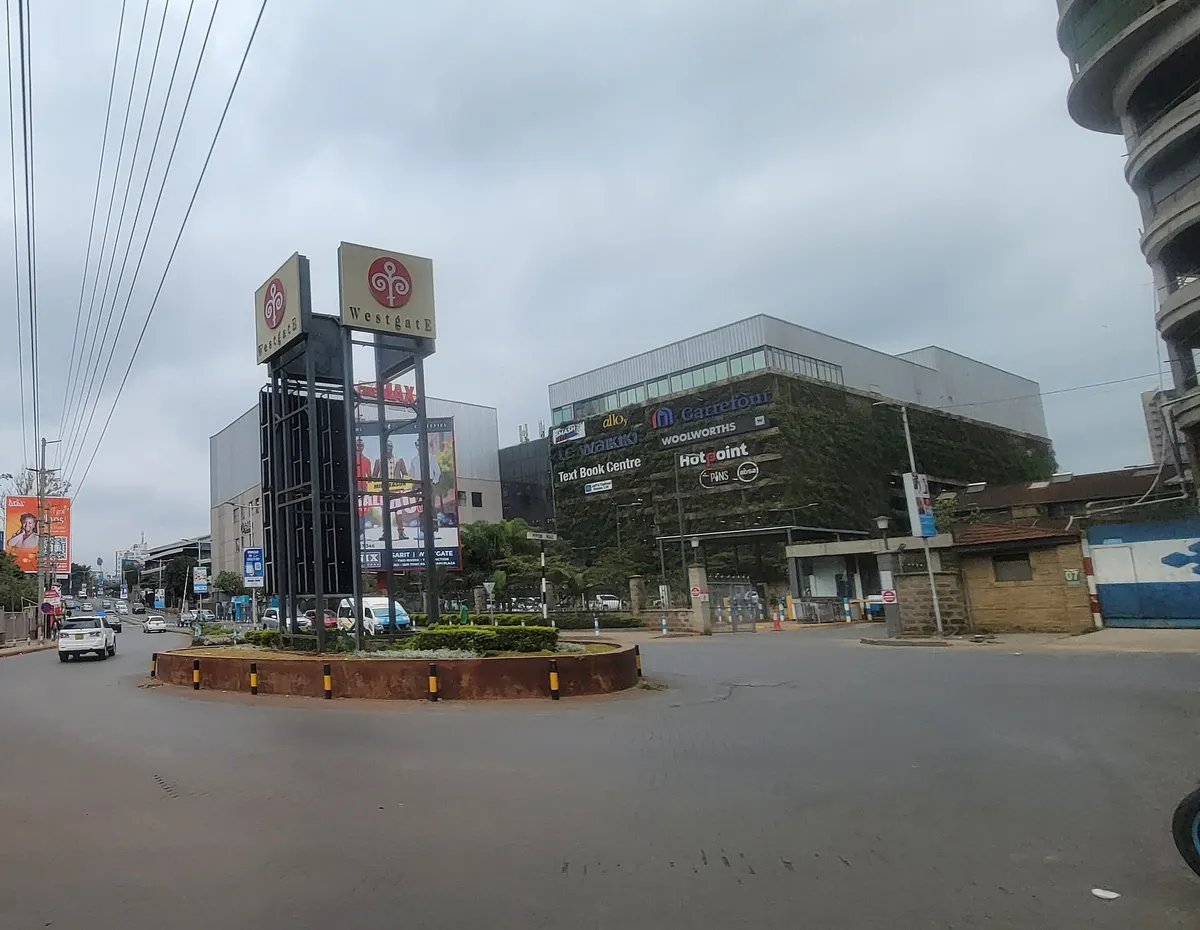
Kenyan mall culture started in Westlands. When Sarit Centre opened in April 1983, it was the country's first enclosed shopping mall, a bet made just months after the 1982 coup attempt, when most prospective tenants had walked away. Four decades later, Westlands has one of the densest clusters of shopping centres in Nairobi.
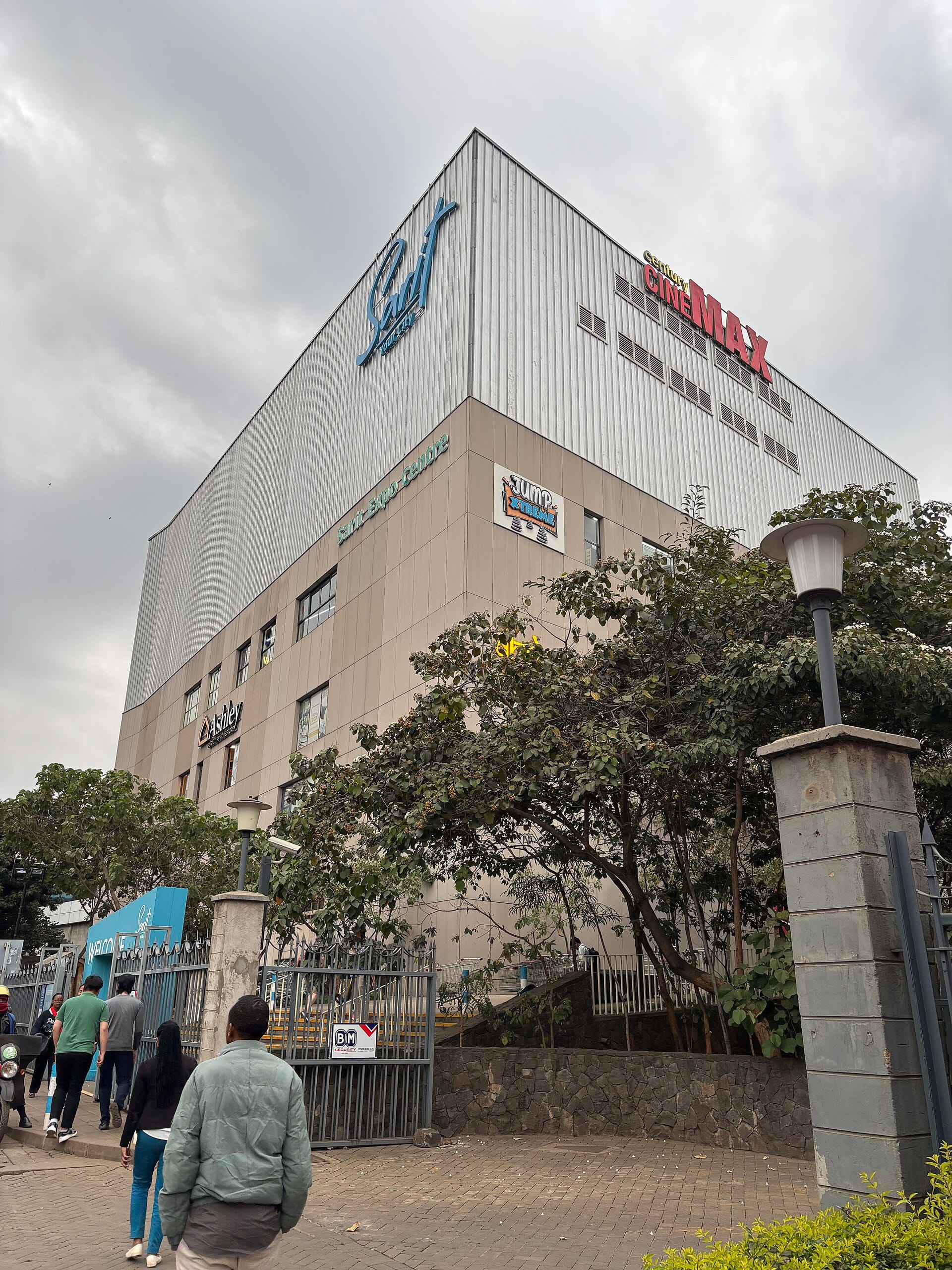
The question now is not whether Westlands has enough malls. It is whether it has too many.
1983: Sarit Centre opens as Kenya's first enclosed mall.
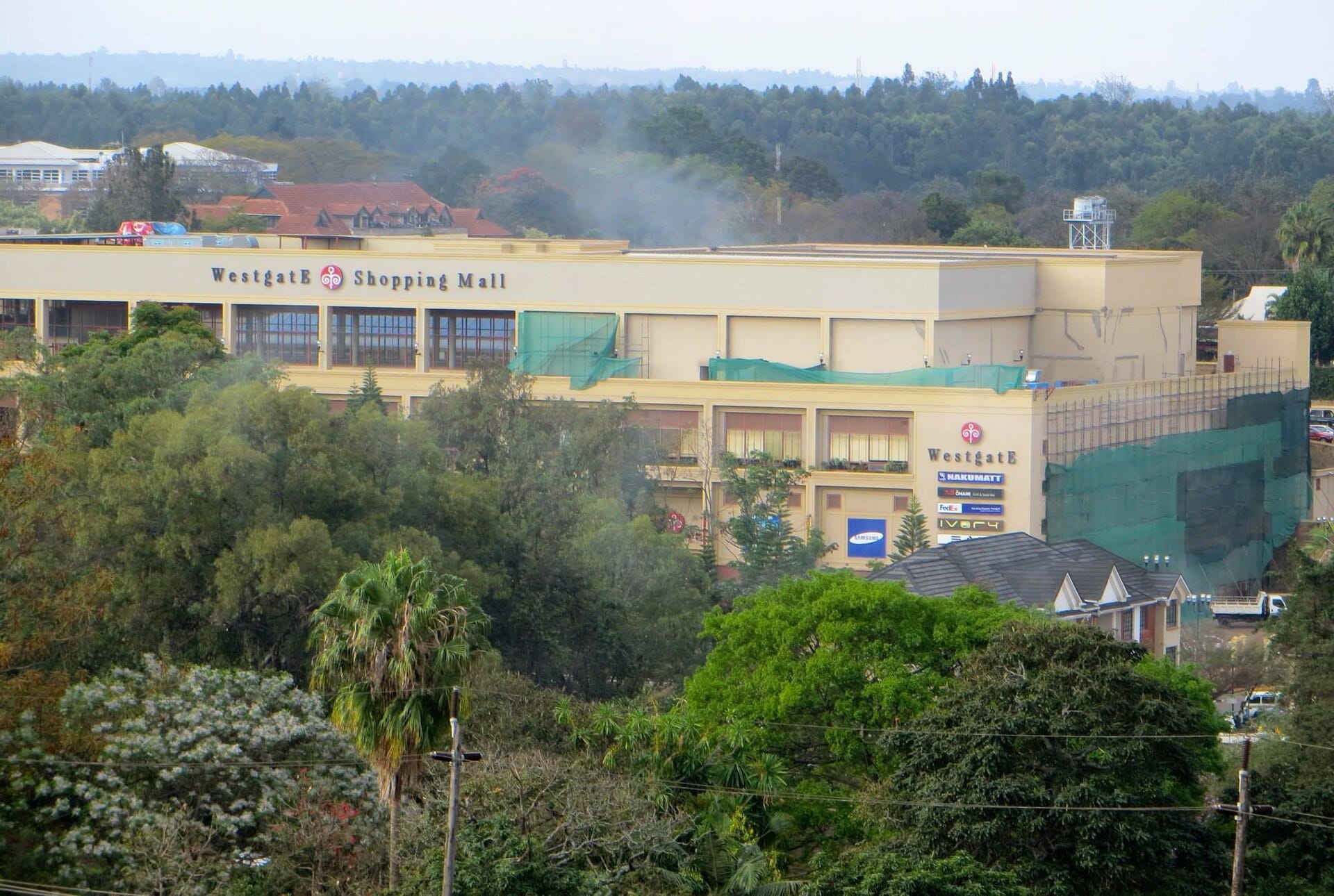
2007: Westgate opens on Mwanzi Road.
2013: Westgate is attacked and later rebuilt.
2021: the Global Trade Centre adds a four-storey mall.
2025: Rhapta Promenade opens at about 75,000 sq ft, a much smaller format.
Four decades of building
After Sarit came a wave of centres along Waiyaki Way. Westgate opened in 2007 and became one of the best-known malls in the country, before the 2013 terrorist attack forced it to close; it was rebuilt and reopened. In December 2021, the Global Trade Centre added a four-storey mall to its tower, hotel and residences, and redrew the skyline. The newest, Rhapta Promenade, was completed in the first half of 2025 as a much smaller lifestyle centre of about 75,000 square feet.
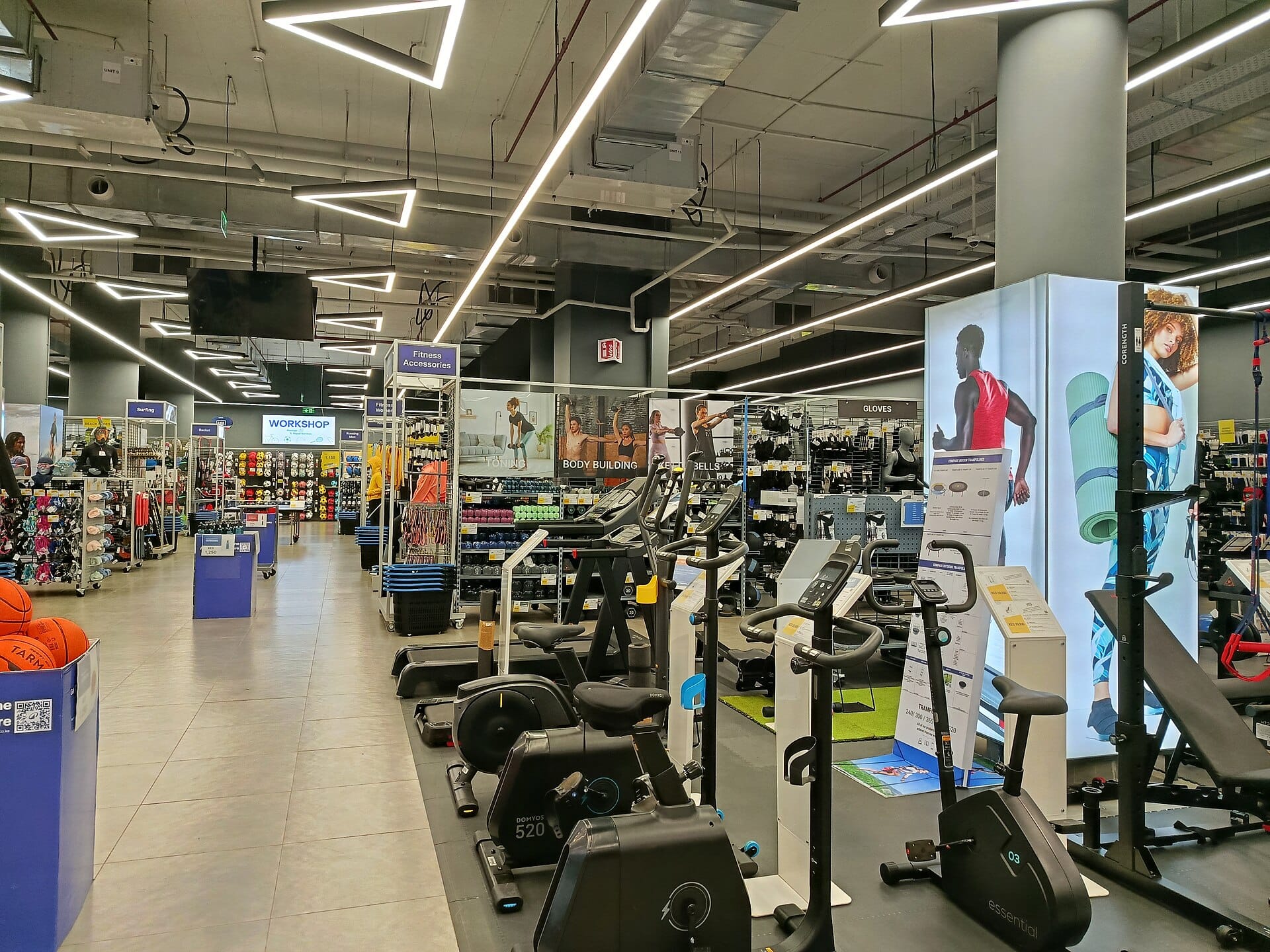
That last number matters. After years of building ever-bigger malls, developers are now going smaller.
Why the big mall is struggling
Across Nairobi, developers are increasingly favouring compact, neighbourhood-focused centres over large regional malls. The reasons are not hard to find. Shoppers increasingly buy online and have goods delivered. Traffic makes a long trip to a big mall less appealing than a quick stop near home. And the anchor supermarkets that once guaranteed footfall have changed hands, closed or moved between centres more than once in the past decade.
Big malls have responded by chasing international brands, adding events and turning themselves into places to spend an afternoon rather than just to shop. That works when the economy is strong. When it is not, as during the demonstrations that disrupted trading in the first half of 2026, the costs of running a huge building with empty units become obvious.
Who malls are really for
Westlands' malls have also become something more than shops. They are where families go on a Sunday, where people meet for business, where teenagers hang out and, increasingly, where the neighbourhood holds its events and exhibitions. In a district with very little public space, the mall has quietly become the town square.
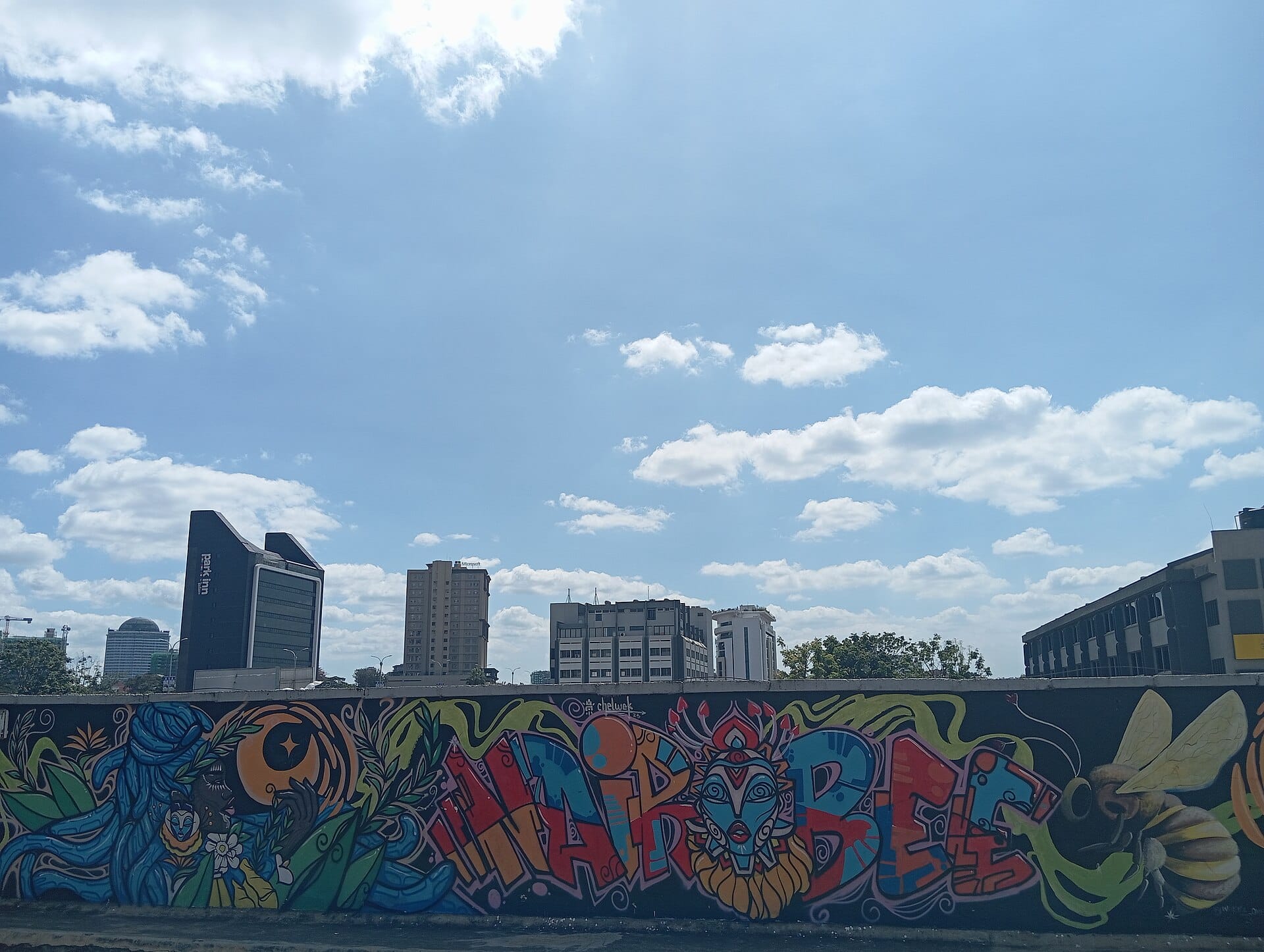
That is a problem in its own right. A town square owned by a property company, with security at the door and parking charges on the way out, is not the same as a public park or a pedestrian street. Westlands needs both.
What we think
Westlands probably does not need another big mall. What it needs is better use of the ones it has: more space for community events, markets and small local traders, and better walking links between them so that people do not have to drive from one car park to the next. The shift to smaller, neighbourhood-scale centres is a healthy one. The next step is to make the public spaces between them as good as the private spaces inside them.