

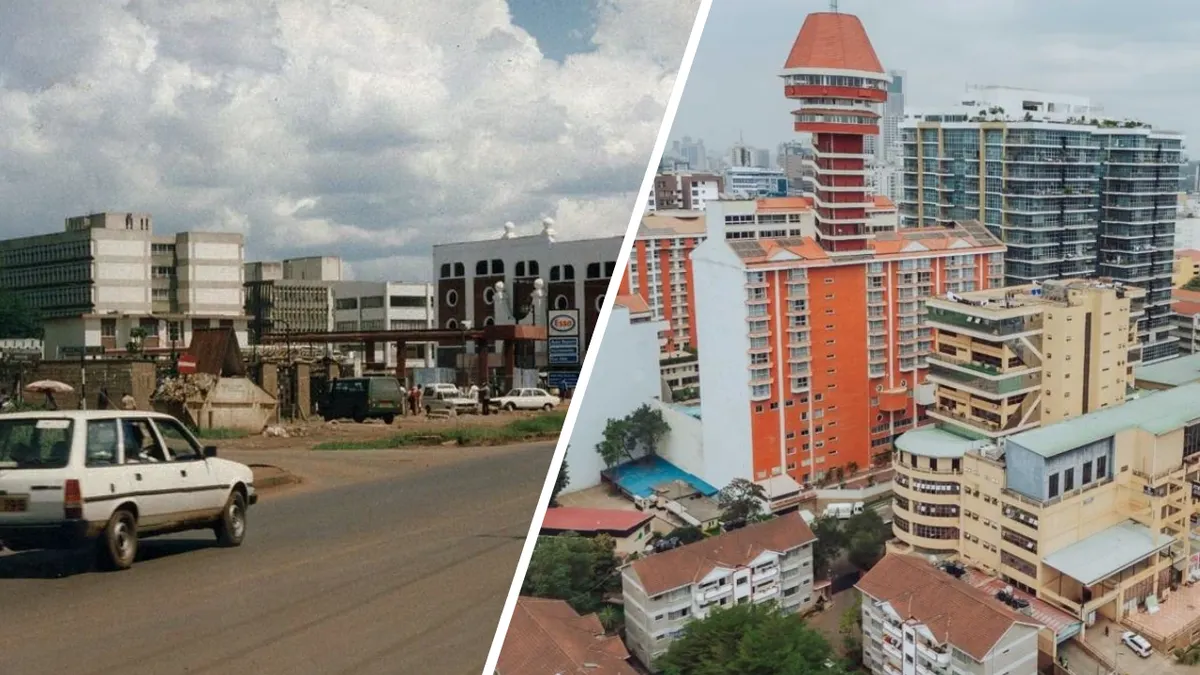
During the late 1980s and early 1990s, Nairobi’s traditional Central Business District began experiencing a severe crisis of urban decay. Decades of poor municipal management left the city center plagued by streetlight issues, garbage, and chronic water shortages. Worse, severe vehicular gridlock locked down the streets for hours, while rising levels of street crime made the downtown area increasingly hostile for corporate headquarters and international dignitaries.

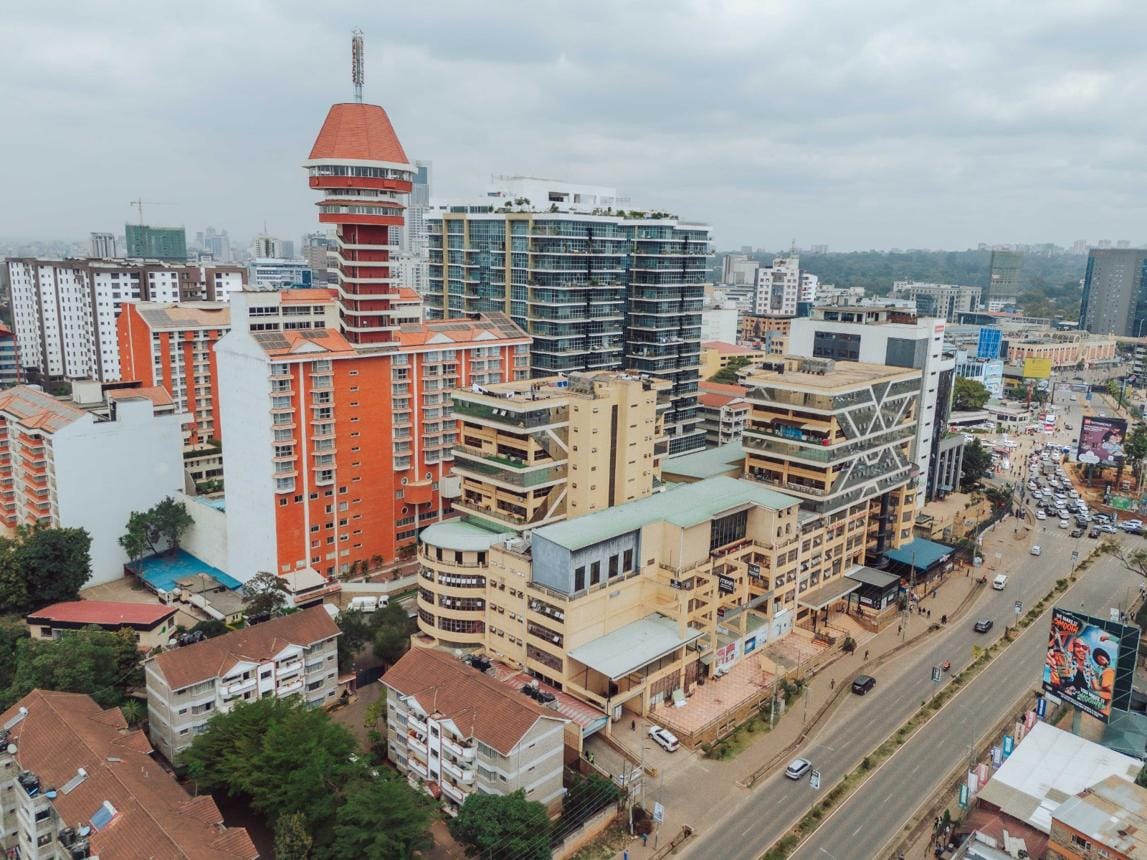
Faced with these operational headaches, major banks, tech firms, and multinational corporations decided they had enough. They launched a coordinated, massive mass exodus away from the city center, heading straight for the spacious, leafy residential plots of Westlands.
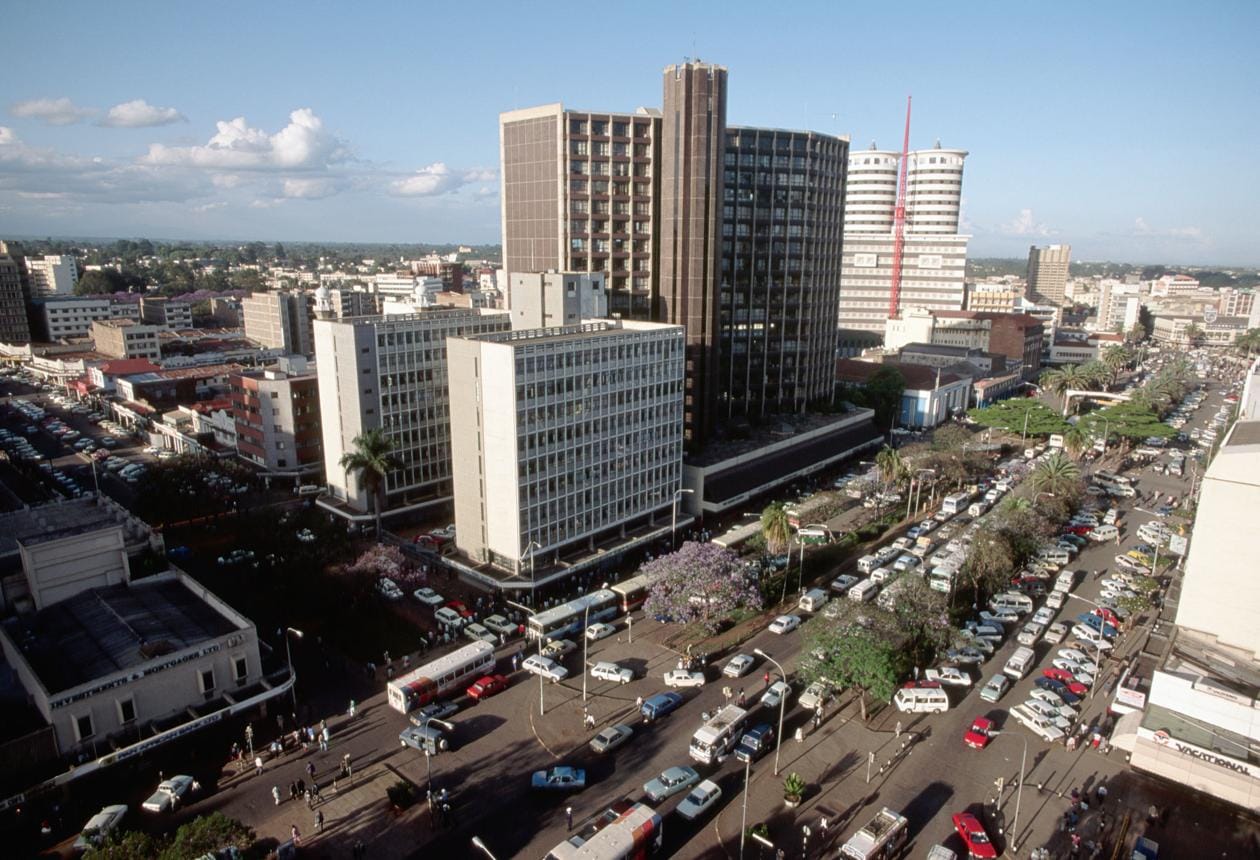
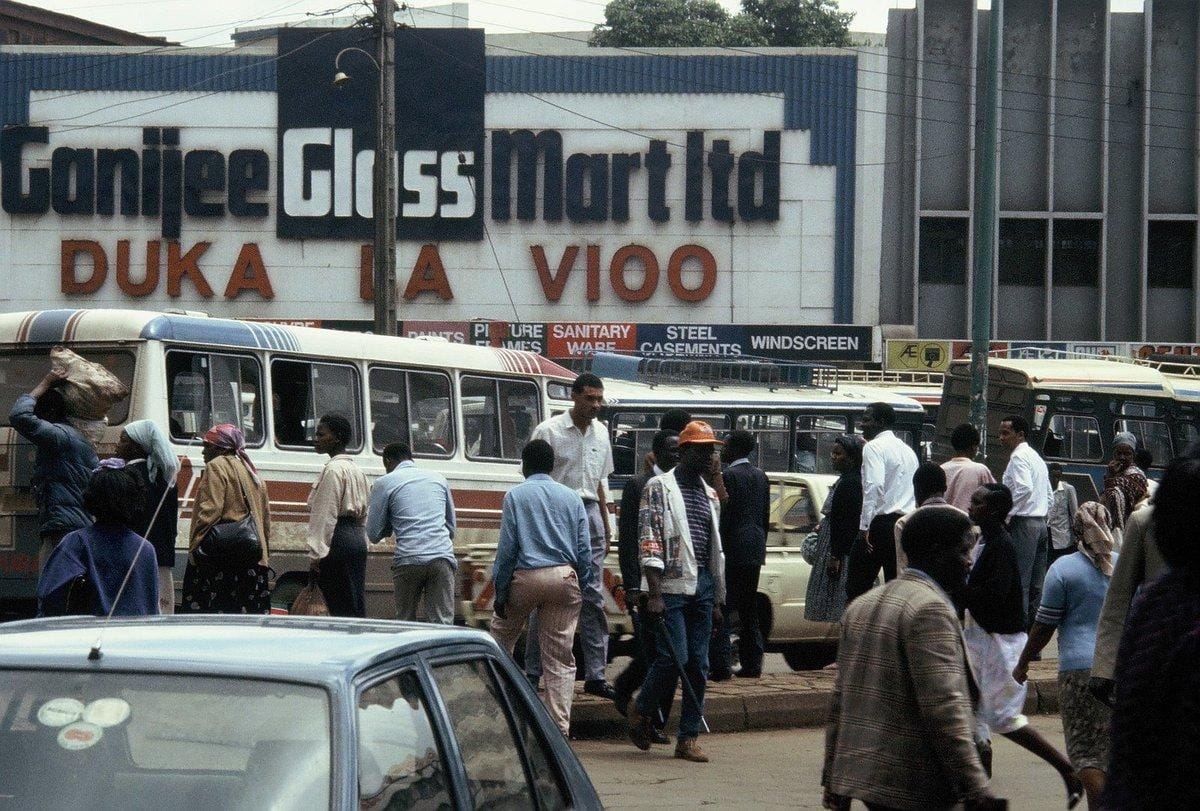
Busy Nairobi commercial street with cars, buses, pedestrians, matatus and shops lining the road.
Attracted by the lower land costs and the serene environment, developers rapidly demolished old colonial villas to build modern, low-rise corporate complexes with secure, ample parking spaces.
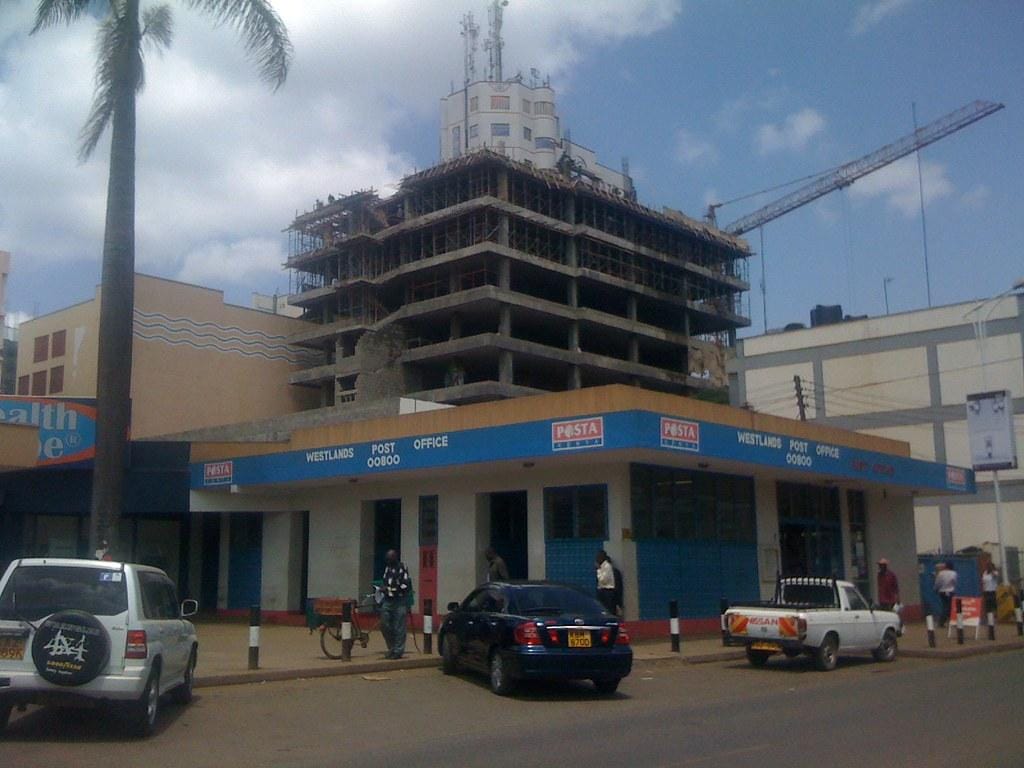
This corporate migration permanently altered the city’s economic map. Within a single decade, Westlands ceased to be a sleepy bedroom community and evolved into the premier financial nerve center of East Africa.
Reviewing why businesses left Nairobi CBD uncovers the exact catalysts behind the rapid Westlands commercial growth 1990s, illustrating how municipal failure downtown drove the unstoppable decentralization of Nairobi.