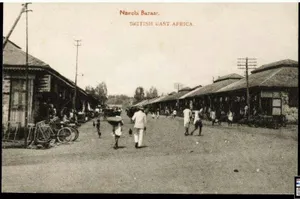

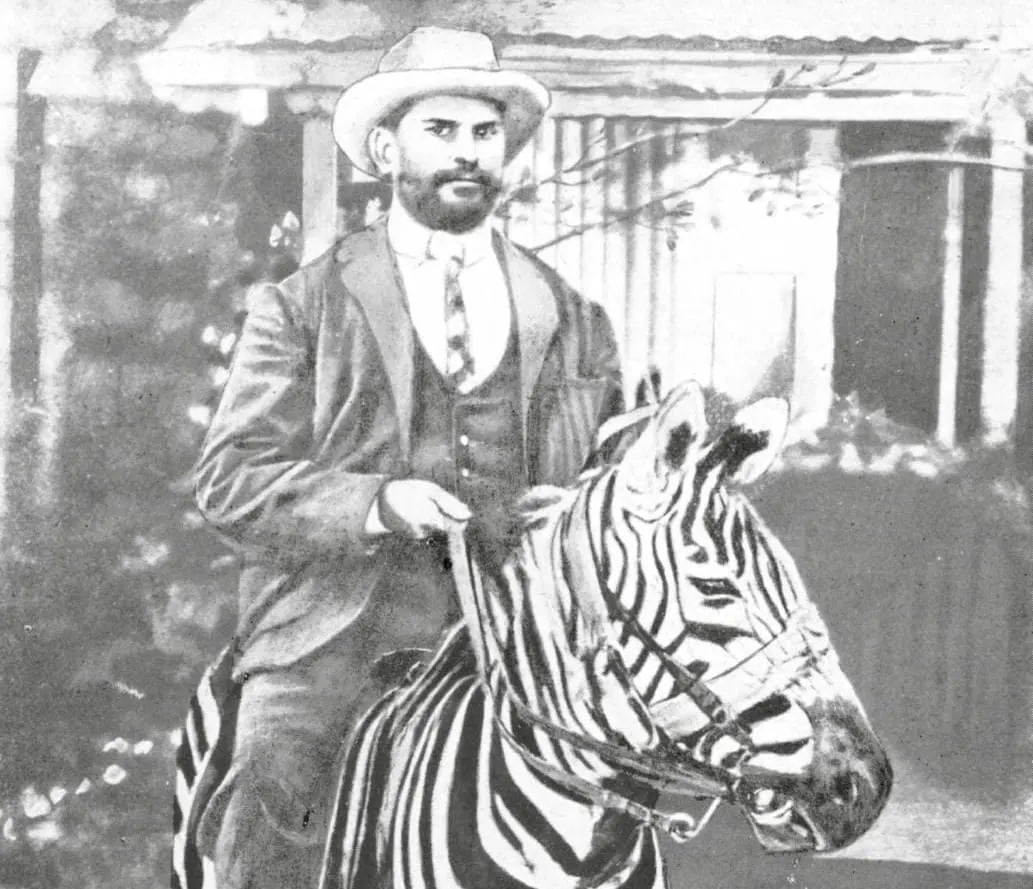
In the early 1900s, residents walking along the dusty dirt tracks of Mpaka Road and the early Parklands avenues routinely witnessed a bizarre sight. A flamboyant, Goan-born physician named Dr. Rosendo Ayres Ribeiro would regularly ride past on a fully grown, perfectly tamed African zebra. As Nairobi's very first registered private medical practitioner, Ribeiro had established a tent clinic in the bustling Indian Bazaar.
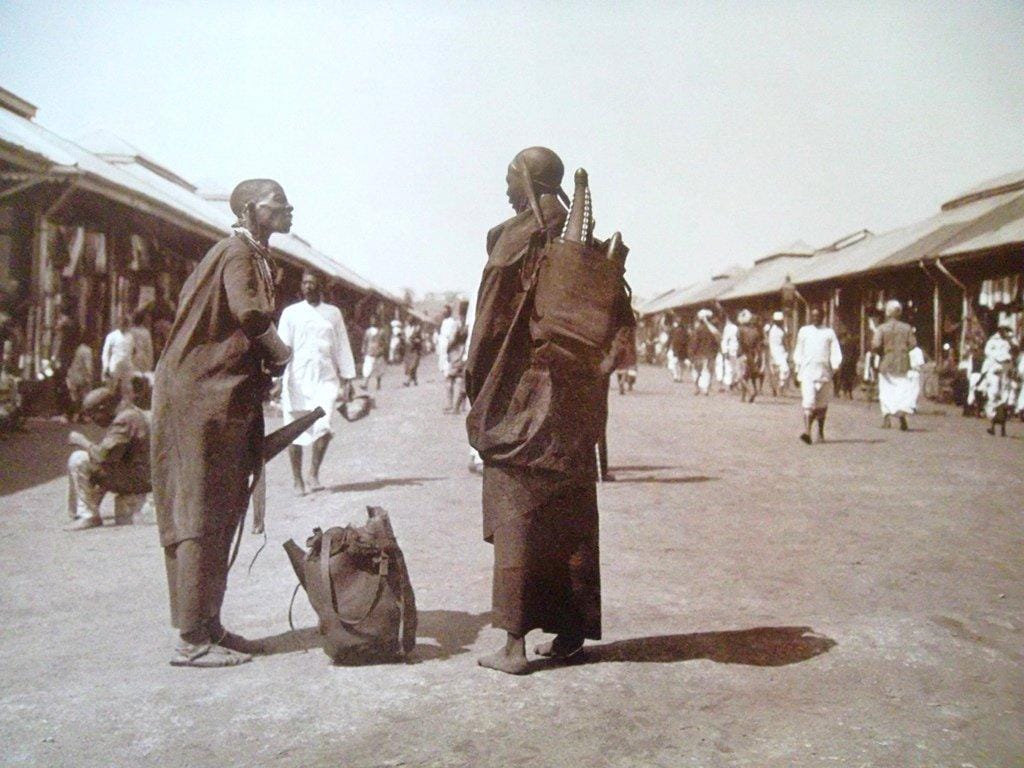
His choice of transport was a stroke of brilliant practical survival rather than just eccentric showmanship. Imported European horses and mules were rapidly dying from devastating tropical equine fevers. Realising that local wildlife held a natural immunity to these deadly diseases, the resourceful doctor successfully captured and trained a zebra to handle his long, rugged daily commutes across the rough terrain. He famously rode his striped mount right up to the verandah of local social clubs, hitching it to the front posts while he treated patients.
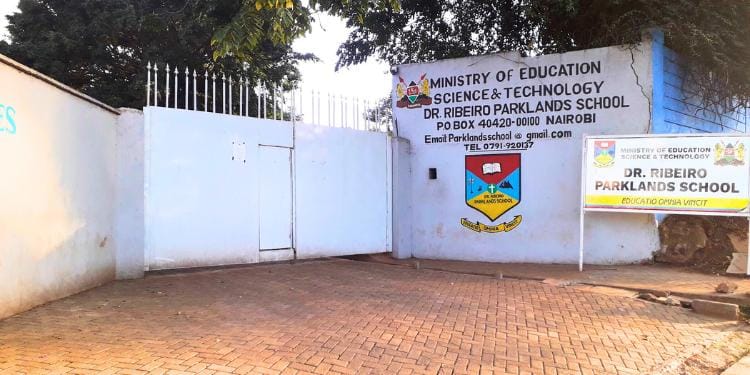
Ribeiro later cemented his legendary status in 1902 when he correctly diagnosed the city's catastrophic bubonic plague outbreak, saving the early railway settlement from absolute annihilation. Honoured with an Order of the British Empire (OBE), he eventually donated a significant portion of his land to establish the historic Goan school that still honors his memory today.
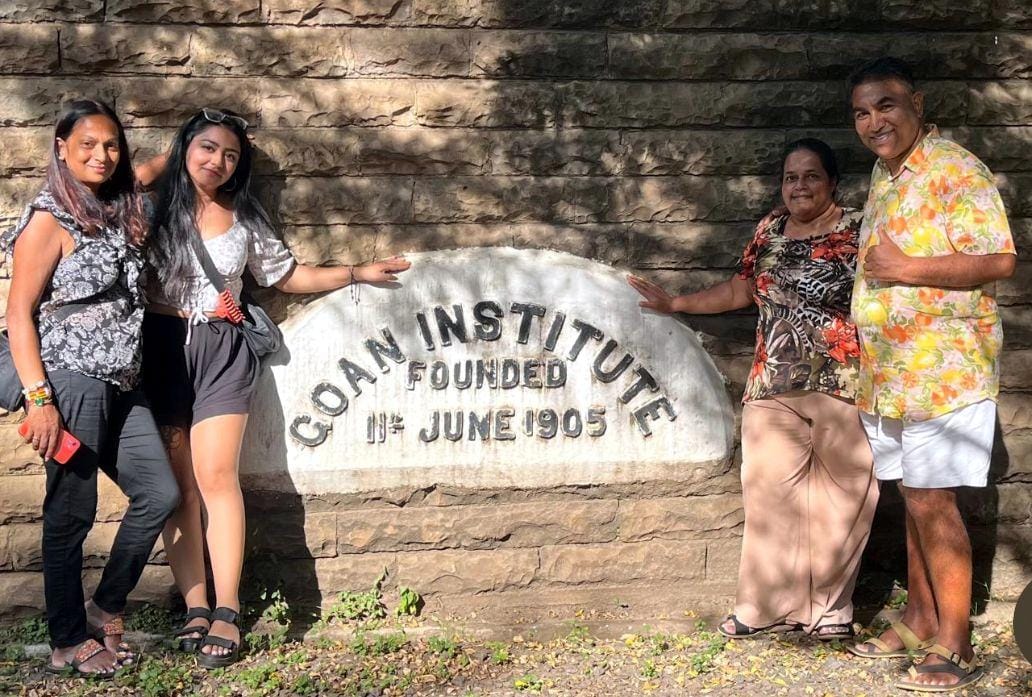
Exploring the legacy of Dr. Ribeiro uncovers a foundational chapter of early Nairobi doctors, explaining why a Dr. Ribeiro Parklands school remains an enduring local landmark.