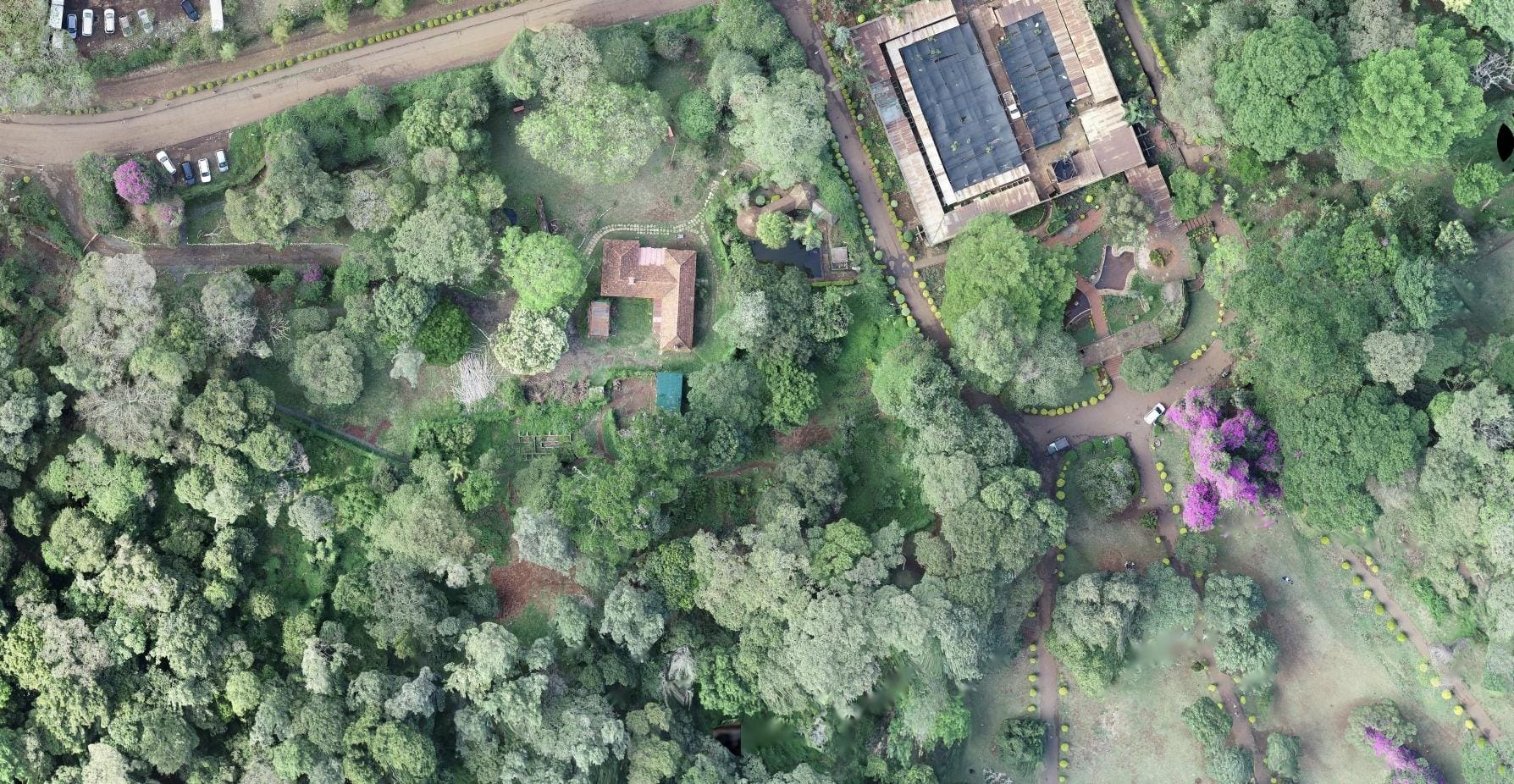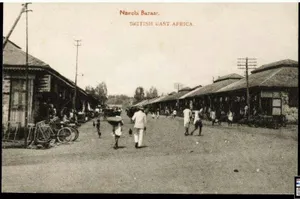

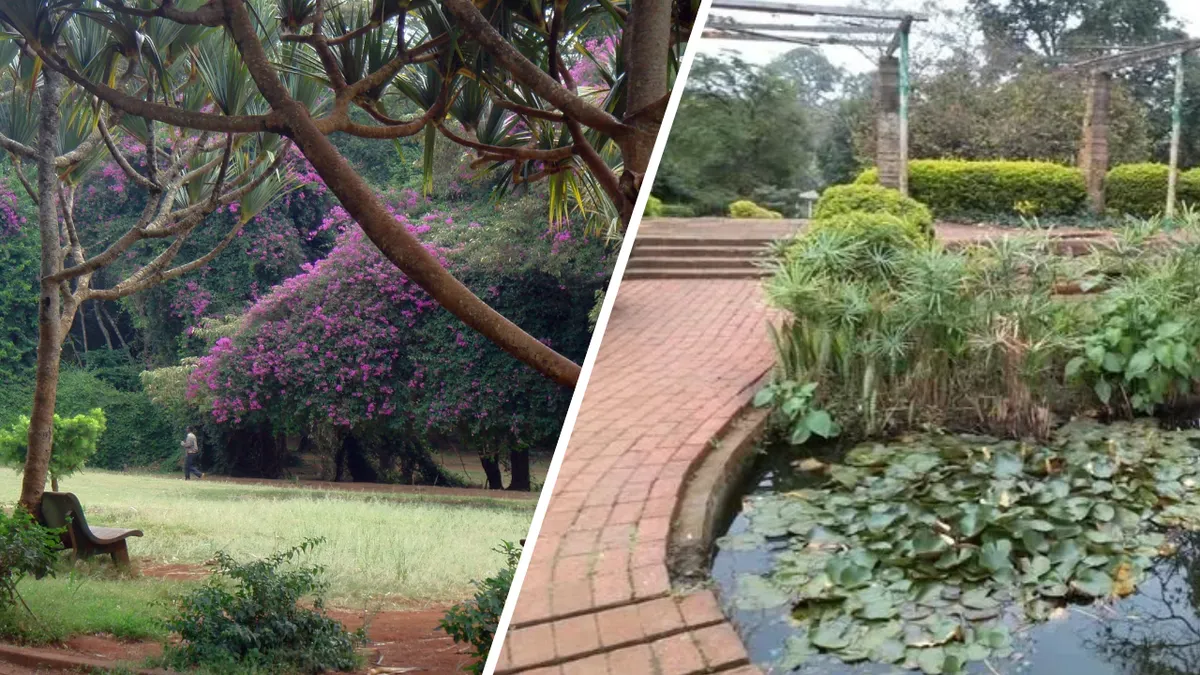
In the earliest days of Nairobi’s formation, the area now known as Parklands looked nothing like the dense residential grid of avenues we see today. It was a sprawling, untamed forest filled with indigenous trees like the Mvule and Cape Chestnut, stretching directly from the edges of the swampy town center up into the higher ridges. This dense green canopy was so thick that early European visitors described it as a primeval woodland where wild leopards and colobus monkeys regularly sought refuge.
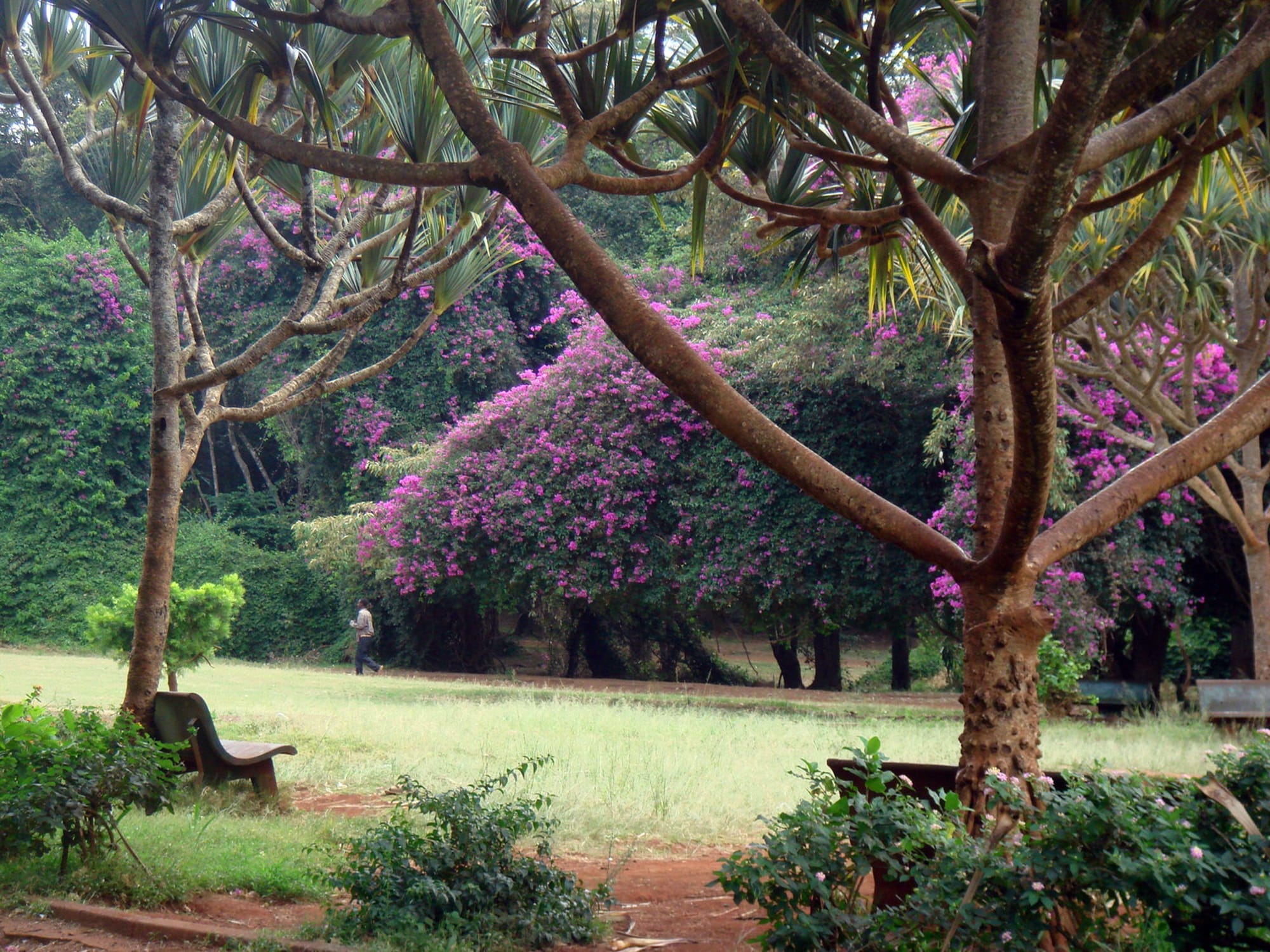
When colonial administrators began carving out residential plots under the early municipal zoning rules, they named the area Parklands to reflect this natural, park-like forest landscape. To preserve a small, authentic fragment of this disappearing ecosystem as the town rapidly expanded, the municipal council set aside a portion of the woodland, which later officially opened in the early 1930s as City Park. This public space was carefully designed by the prominent landscape architect Peter Greensmith, who added botanical gardens while leaving the core indigenous forest intact.
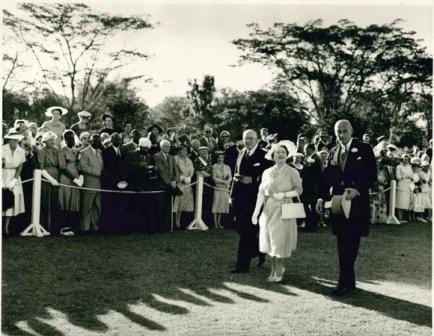
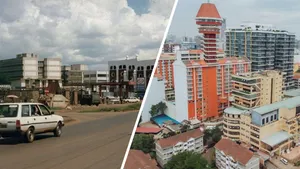
Over the decades, the surrounding trees were systematically cleared to make room for colonial bungalows, civil servant quarters, and commercial centers. Tracing the environmental timeline of City Park Nairobi history reveals the dramatic loss of the Parklands original forest, serving as a powerful reminder of how a wild cassava forest Nairobi history was transformed into a bustling urban landscape.