
Key Takeaways
- High-rise development reflects changing housing needs and a growing interest in apartment living.
- Shared services and amenities can make daily life easier, but they do not suit everyone.
- Privacy, social connection, natural light and noise all influence how a home feels.
- Building management and neighbourhood infrastructure matter as much as the apartment itself.
- A careful visit at different times of day can help you judge whether a home fits your routine.
Why Kileleshwa’s skyline is rising
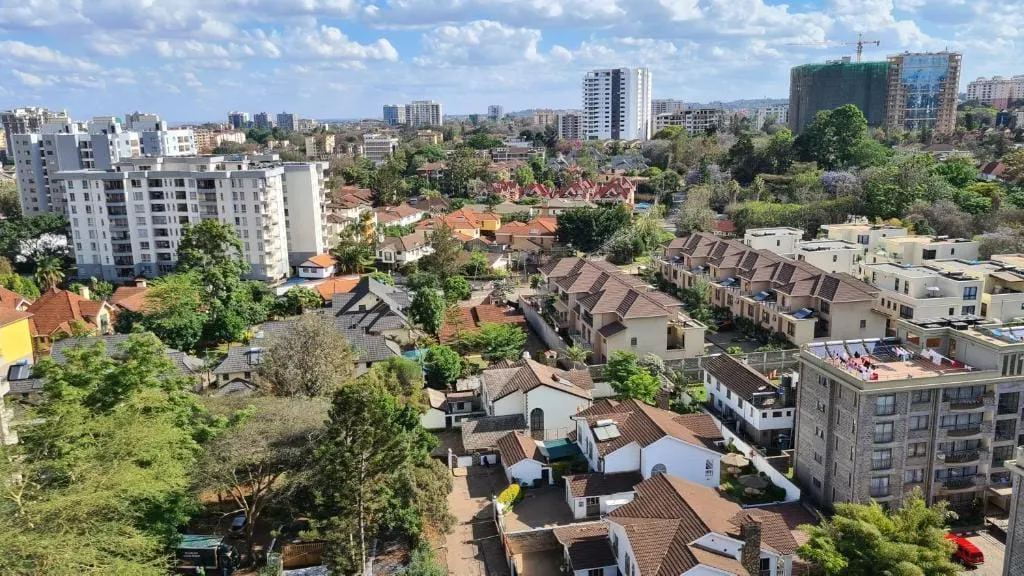
Kileleshwa’s shift towards taller residential buildings changes not only the view, but the way you encounter the neighbourhood. Where a suburb is known for a quieter, more spacious feel, a growing cluster of apartment blocks can bring a different pace and more households into the same area. The causes are not one-dimensional: changing household needs, expectations about convenience and interest in property all play a part. Searches for apartments in kileleshwa nairobi, kileleshwa high rise buildings, living in kileleshwa, kileleshwa real estate boom often point to the same underlying question: what kind of urban life are you choosing?
From leafy suburb to high-rise neighbourhood
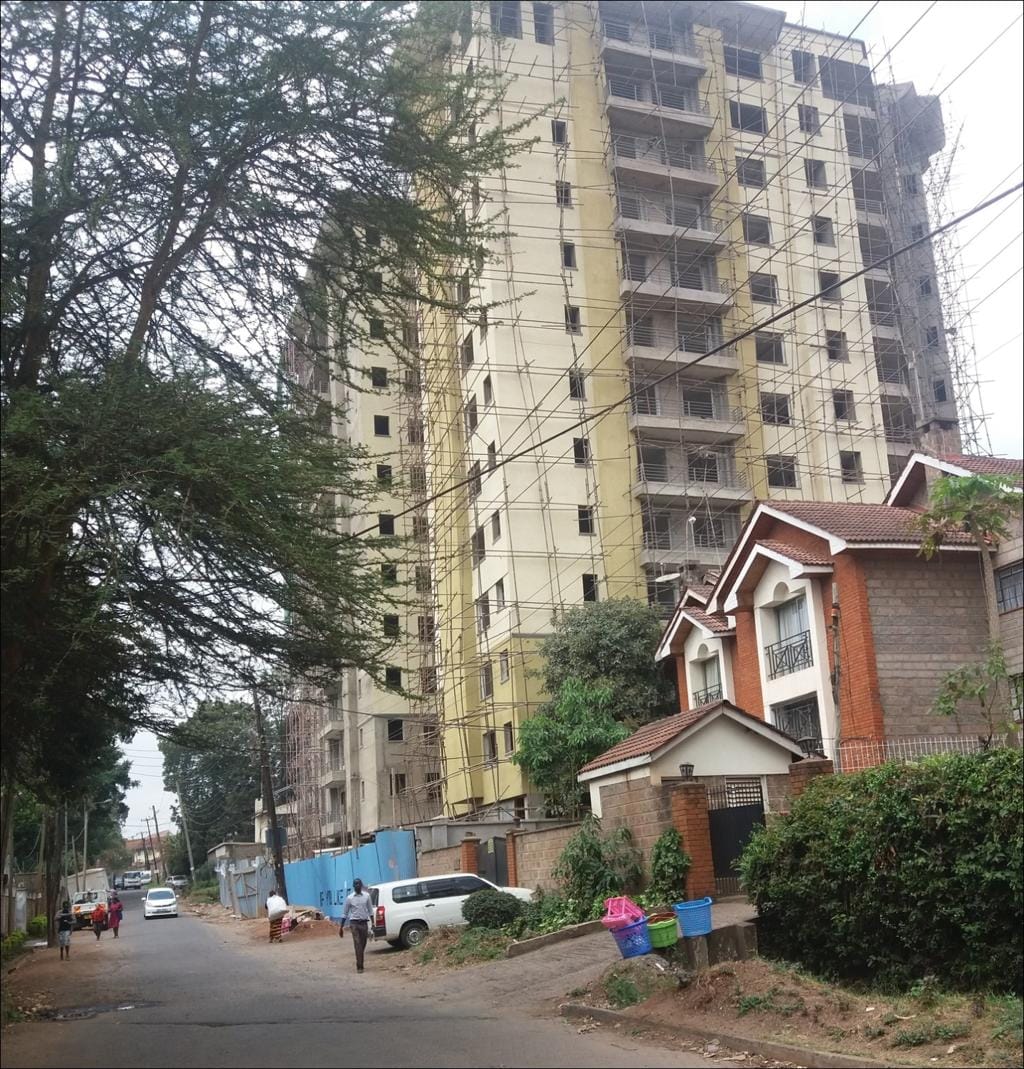
A familiar residential landscape can change gradually, then seem to change all at once. As individual plots give way to taller buildings, the relationship between private homes, roads and shared outdoor spaces shifts too. You may still find traces of the older suburb in its quieter streets and established routines, while new apartment blocks make the skyline feel denser and more urban. This is not simply a story of old versus new; it is a neighbourhood negotiating how much change it can absorb while retaining a sense of place. You can read more about the suburb’s vertical shift in the context of its changing built environment.
The housing pressures behind the development boom
When more people want to live in a well-known part of a growing city, the demand for homes can take several forms. Some households value a smaller, easier-to-manage home; others want room for family life without taking on a standalone property. Developers, in turn, may see an opportunity to provide multiple homes on land that previously held fewer. None of this guarantees that every new building meets local needs, but it helps explain why building upwards becomes part of the conversation. Broader accounts of Nairobi’s housing demand place such neighbourhood changes within the city’s wider development story.
How apartments in Kileleshwa, Nairobi appeal to changing households
An apartment can suit you at one stage of life and feel limiting at another. A single professional may value a lock-up-and-leave arrangement, while a household with children may put greater weight on storage, room separation and places to play. People who work from home may need a quiet corner that is not also the dining table. The useful question is not whether apartments are universally better, but whether a particular layout supports the life you actually lead.
What investors and developers see in the area
For a developer or investor, an established residential address can look like an opportunity to meet demand for different kinds of homes. For you as a resident, that same interest is visible in the changing streetscape and the mix of buildings around your home. It is worth separating a neighbourhood’s popularity from the merits of any one property: construction quality, ongoing costs and local services still need close attention. If you are comparing options, Nairobi property resources can provide wider real-estate context without replacing your own checks.
What draws people to high-rise living
The appeal of an apartment is often a bundle of small practical advantages rather than one dramatic feature. A managed entrance, shared facilities or a location that shortens everyday journeys may fit the life you want. These benefits depend on how a building is run and how its location connects with your routine. Before you decide, it helps to consider not just what the building offers, but how you will use it on an ordinary Tuesday.
The appeal of security, convenience and shared amenities
A staffed or controlled entry, a lift and shared facilities can make a building feel convenient, especially when you would rather not manage every aspect of a standalone home yourself. But the word “amenity” can cover very different things, and a feature is only useful if it is accessible, maintained and included in the costs you can afford. Ask what is actually available, who looks after it and whether it works for your household. Everyday reliability matters more than a polished list of features when you are choosing a place to live.
How location shapes daily routines and commuting choices
A home’s position affects how you organise work, errands and time with other people. You might save time if key destinations are within easy reach, or lose it if your usual route is slow at the hours you travel. It is worth testing journeys at the times you would make them rather than relying on a map at a quiet hour. The same address can feel convenient to one resident and awkward to another, depending on where life takes them.
The status and identity associated with a modern apartment
A new apartment can carry a sense of arrival: a contemporary home, a changed routine, perhaps a move into a neighbourhood you have long wanted to live in. That feeling is personal, and it need not be dismissed as superficial. Still, an impressive lobby or skyline view cannot tell you whether the flat itself feels comfortable after a long day. Give yourself time to distinguish the image of a home from the experience of living in it.
Why some residents prefer managed buildings to standalone homes
If you prefer not to handle every repair, gate or shared outdoor area yourself, a managed building may feel like a sensible arrangement. You exchange some independence for shared rules and common responsibilities, which can bring ease as well as frustration. Before committing, find out how residents raise issues and how decisions about shared costs are made. The building’s day-to-day culture can matter just as much as its design.
How vertical living affects wellbeing
A home shapes the texture of your day: where you rest, how much quiet you can find and whether you feel connected to the people around you. In a high-rise, the experience may depend on details that a floor plan cannot show, from lift traffic to the quality of light in your rooms. You may enjoy the sense of outlook, yet miss a private patch of ground. There is no single psychological response to vertical living, only a set of conditions worth noticing before you choose.
Privacy and personal space in shared buildings
Living above other households means that some parts of daily life are shared, even when your front door closes. You may hear movement in the corridor, meet neighbours at the lift or rely on common rules to protect quiet hours. Within the apartment, room layout and the position of bedrooms can help you find separation when several people share the space. When visiting, pause and notice whether you can imagine having a quiet moment there, not just whether the rooms look attractive.
The balance between social connection and isolation
Shared entrances and facilities create chances to recognise neighbours, but being near people does not automatically make you feel part of a community. Some residents welcome a quick chat on the way out; others prefer a more private routine. If you want to build connections beyond your building, low-pressure activities can help: for example, Nairobi’s running-club meet-ups offer another way to find company through shared interests. The important distinction is that proximity creates opportunities, while relationships still depend on time and choice.
Views, natural light and access to outdoor space
A higher floor may offer a wider outlook, and a well-positioned window can bring daylight into the rooms where you spend most of your time. But the result varies by orientation, nearby buildings and the apartment’s own design. Think, too, about whether you have a balcony or a comfortable place outdoors to sit; a view is not the same as access to open air. If you can, visit at different times to see how light and the surrounding activity change.
Noise, crowding and the feeling of being at home
Noise can come from inside a building, from the street or from construction nearby, and each affects your sense of rest differently. A viewing during a quiet afternoon may not reveal what you will hear at night or during a busy morning. To make those factors easier to compare, a short guide to the visit can keep your attention on lived experience:
- Stand quietly in each bedroom and listen for sound from neighbours and the street.
- Check whether doors and windows close comfortably and whether rooms feel private.
- Visit at a busier time to notice lift use, arrivals and general activity.
- Ask about current construction nearby and how long it may continue.
These observations will not predict every future sound, but they can help you judge whether the building’s everyday rhythm feels manageable. Take your own routine into account: a sound that barely registers for one person may disrupt another’s sleep or work.
How Kileleshwa’s buildings are changing community life
When more households share a neighbourhood, daily encounters and expectations can change alongside the buildings. You may meet people in a lift whom you would never have crossed paths with in a house on a quieter plot. At the same time, the pace and shape of change can feel different to long-standing residents and to people who have just arrived. Looking closely at these ordinary interactions offers a more useful picture than treating a neighbourhood as either unchanged or completely transformed.
Encounters with neighbours in lifts and shared facilities
A lift ride or a shared entrance can turn a passing face into a familiar one. These encounters are small, often brief, and their meaning depends on how comfortable residents feel in common spaces. A well-kept shared area can invite people to linger; a cramped or poorly maintained one may encourage everyone to hurry home. You do not need a close-knit building to feel at ease, but it helps when everyday contact is civil and the common areas feel cared for.
The role of residents’ associations and building management
In a shared building, the condition of common areas and the handling of repairs affect everyone. Residents’ associations and managers can provide a way to raise concerns, agree on practical rules and discuss shared costs. When you are considering a home, ask how residents communicate, how maintenance issues are reported and what responsibilities fall to owners or tenants. Clear processes do not remove disagreements, but they make it easier to understand how the building responds to them.
How new development affects long-standing residents
For people who have lived in the area for years, new construction can bring changes to familiar views, routes and patterns of activity. Some may welcome new services and a broader mix of neighbours; others may feel that the place they knew is becoming less recognisable. These views can exist side by side within the same street. If you are new to Kileleshwa, paying attention to that history can help you approach the neighbourhood with curiosity rather than assuming that a fresh building is the whole story.
The changing character of local shops and public spaces
A change in the number and type of households can influence what nearby shops offer and how shared outdoor spaces are used. You may notice new services emerging alongside familiar ones, though the pattern will vary from one part of the neighbourhood to another. Walk around the streets you would actually use, and see what is open, welcoming and accessible to you. The practical feel of these spaces often tells you more about daily life than a building brochure can.

The trade-offs behind Kileleshwa’s real estate boom
A new apartment can offer a straightforward home and shared services, while construction and growing density bring their own pressures. The trade-off is not identical for every building: one resident may be more concerned about parking, another about water reliability or the noise of nearby work. You are better served by checking specific conditions than by assuming every high-rise has the same strengths or problems. A simple comparison can help you see which questions need answers before you commit.
Comparing apartment convenience with construction disruption
A finished apartment may feel calm and orderly even while new work is underway elsewhere nearby. Construction can affect noise, dust and how you move around the area, but its impact depends on location and timing. Ask what is being built around the property and observe the immediate streets in person. The broader story of Kileleshwa’s high-rise growth can provide context, while a viewing helps you judge conditions on the ground.
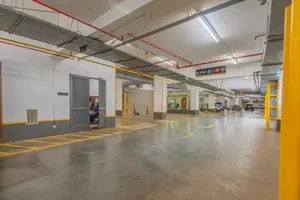
Assessing water, power, parking and waste services
These services are easy to take for granted during a short visit, yet they shape the daily experience of a home. Ask how the building manages water and power interruptions, where residents park, and how waste is collected. Then look for practical signs: whether service areas are orderly, whether parking feels workable and whether management can explain its arrangements. The table below is a useful way to organise what you learn, rather than a substitute for asking direct questions.
| Everyday consideration | What to ask or observe | Why it matters |
|---|---|---|
| Water | What happens during an interruption? | Helps you understand the building’s arrangements |
| Power | How are outages communicated or managed? | Shows what to expect when service is disrupted |
| Parking | Is the available parking suitable for your needs? | Affects arrivals, storage and daily convenience |
| Waste | Where and how is rubbish collected? | Gives a sense of shared-area upkeep |
The answers can reveal whether a building’s systems suit your expectations and whether management is prepared to explain them clearly. If something is unclear, ask for details before you rely on an assumption.
Considering traffic, walkability and access to green space
Even a well-designed home can feel inconvenient if the journeys you make most often are difficult. Try walking the nearby routes you would use and note whether crossings, footpaths and the places you need are comfortable to reach. If you rely on a car or public transport, check your likely routes at realistic times. Also consider where you would go to sit outdoors or take a short break; access to open space can matter even when it is not part of your building.
Understanding how density can affect neighbourhood character
More homes close together can bring a livelier street and a larger local customer base, but it can also change how busy the area feels. Your response may depend on how you value quiet, activity and the chance to walk to everyday services. Rather than treating density as inherently good or bad, consider what it means for your own routine and what seems to be changing around the building. That judgement is personal, but it should be made with your eyes open.
Choosing a home that suits your lifestyle
The most persuasive property is not always the one that will feel best to live in. You may be drawn to its height, finish or facilities, then discover that the layout or surroundings do not work for your daily habits. A considered choice joins the details inside the flat to the experience outside its front door. Give yourself enough time to ask practical questions and imagine an ordinary week there.
Matching apartment size and layout to household needs
Start with how you use space, rather than the number of rooms alone. If you work from home, you may need a quiet area that can stay set up; if several people share the flat, storage and separation may matter more. Consider how a layout would handle meals, rest and visitors, as well as what may change in the next few years. A home that fits your routines can feel more generous than a larger one arranged around someone else’s priorities.
Checking building maintenance, security and shared facilities
Look beyond the show apartment and ask about the parts of the building everyone relies on. Check the condition of corridors, entrances and shared facilities, and ask who maintains them. Find out how security arrangements work in practice and how residents report a concern. You are not looking for a perfect building; you are trying to understand whether its standards and management feel dependable enough for you.
Weighing location against noise and construction activity
A convenient address may be worth some street activity, but only you can decide how much noise is acceptable. Visit more than once if possible, and pay attention to sounds that could affect sleep, concentration or time spent outdoors. Ask about construction nearby without assuming that a sales conversation will cover everything that matters. A few quiet minutes in the actual rooms can be more revealing than a quick walk through the lobby.
Looking beyond the apartment to the surrounding neighbourhood
Before deciding, spend time on the routes and at the places that would form part of your normal day. Notice how easy it feels to reach shops, services and outdoor space, and whether the streets suit your pace. If you can, speak with people who live in the building or nearby about what they value and what they find difficult. A home is a private space, but your sense of living in Kileleshwa will also be shaped by everything just beyond it.
Conclusion
Kileleshwa’s rising skyline reflects changing ideas about what a home can offer in a growing city. High-rise living may bring convenience, shared facilities and a new perspective on the neighbourhood, but the experience depends on the building, its management and the life you want to lead. Visit with care, ask grounded questions and pay attention to how the place feels beyond the viewing. The best choice is the one that makes sense for your everyday life, not simply the one that looks most impressive from the street.
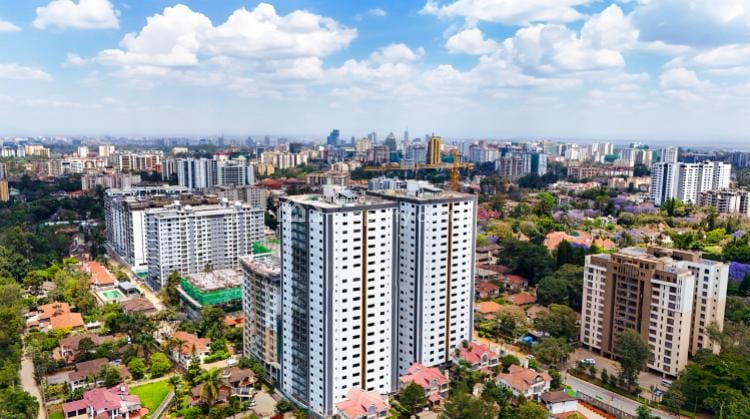
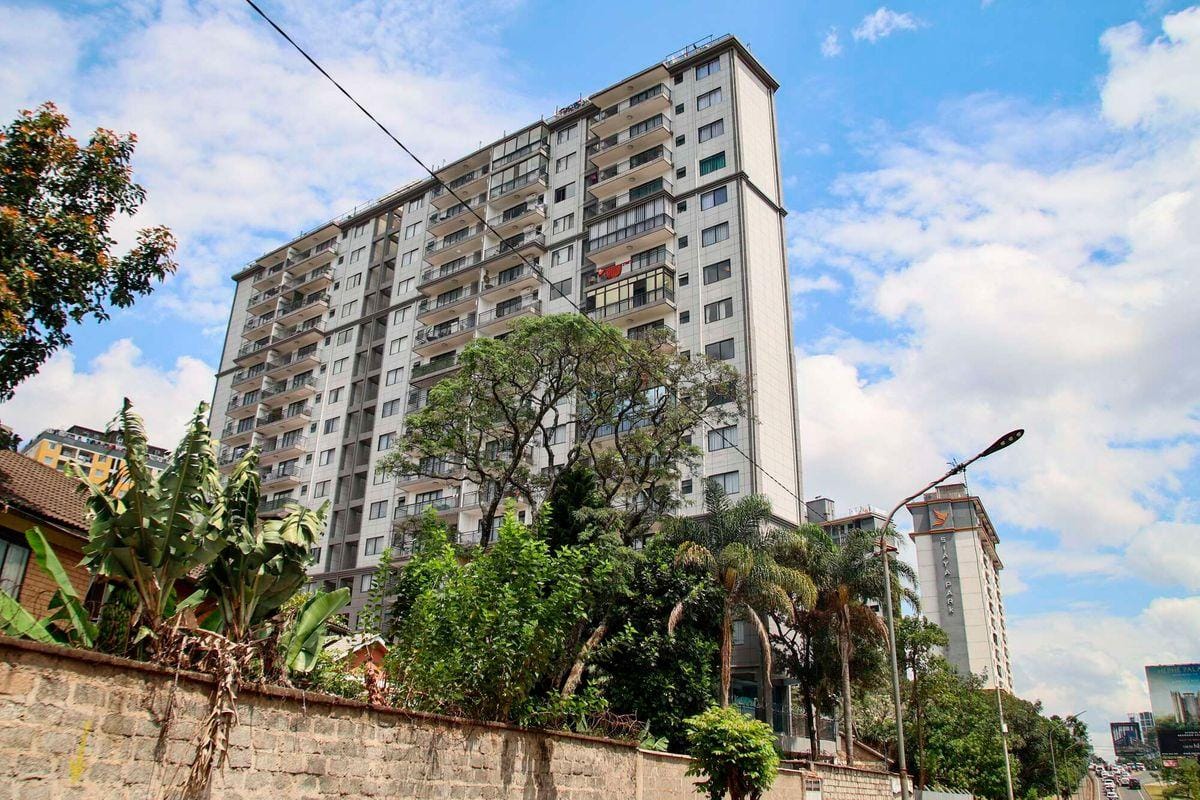
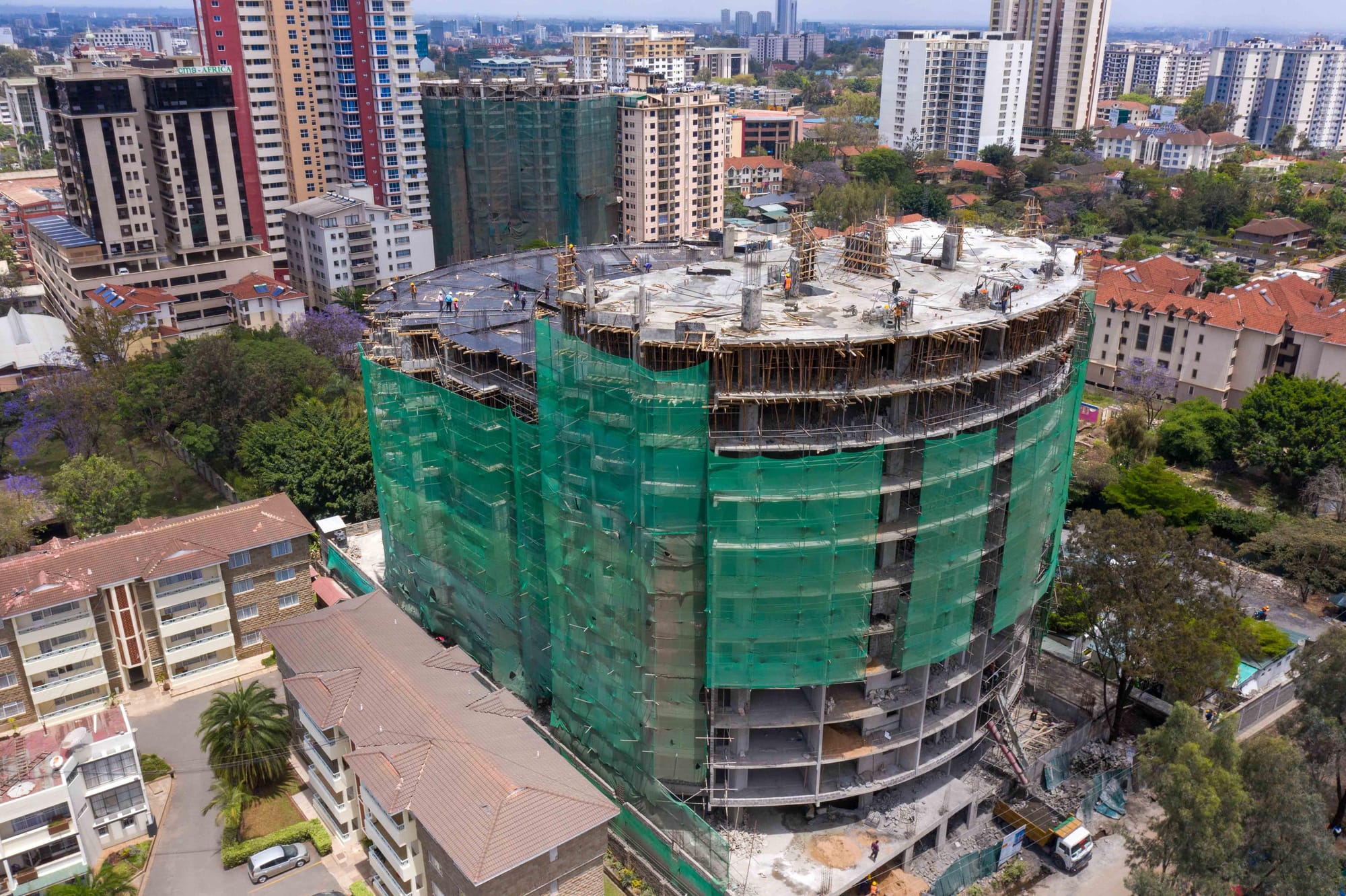
High-rise residential apartment buildings reshaping Kileleshwa's skyline in Nairobi.
Frequently Asked Questions
Why are more high-rise buildings appearing in Kileleshwa?
The shift reflects a combination of demand for homes, changing household needs and interest in developing residential property. The reasons and effects can vary from one site to another.
What should you consider before renting or buying an apartment?
Look at the layout, building management, shared facilities, ongoing costs and the neighbourhood around the property. Visit at different times and check whether the home suits your regular routines.
Is apartment living more convenient than living in a standalone home?
It can be, particularly if you value shared services and do not want to manage every part of a property yourself. Convenience depends on the building’s upkeep, rules and location, so it is not automatic.
How can you assess noise before moving into a high-rise?
Visit at different times of day, listen in the rooms where you expect to sleep or work, and ask about activity nearby. A single quiet viewing may not reflect the building’s usual rhythm.
What building services should you ask about?
Ask how water and power interruptions are handled, how waste is collected, what parking is available and how repairs are reported. Clear answers help you understand what daily life may involve.
Does a higher floor always mean better views and more light?
Not necessarily. The outlook and daylight depend on the apartment’s position, orientation and nearby buildings, so check the actual rooms at different times if you can.
How can you tell whether a neighbourhood suits your lifestyle?Walk the routes you would use, visit nearby services and consider how the area feels at the times you are usually out. Your own routine is the best measure of whether the location works for you.