
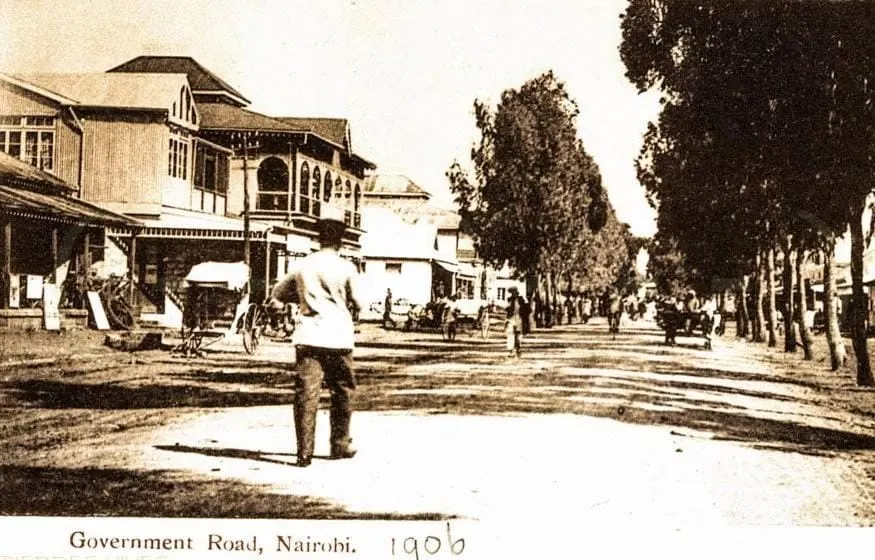
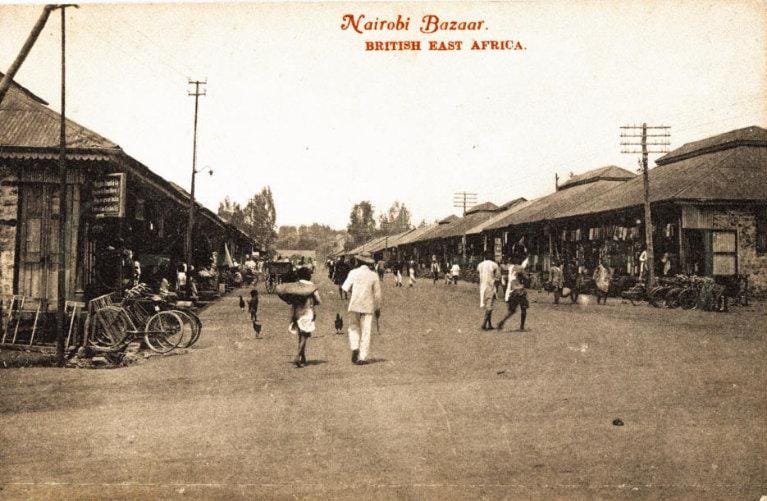
Nairobi's early years were marked by serious problems. Established as a railway depot in 1899, the settlement had developed in a low-lying area with poor drainage. During the rainy seasons, parts of the town became waterlogged, creating difficult living conditions. Disease added to the crisis. Bubonic plague outbreaks struck Nairobi in 1902 and 1904, leading to the destruction of sections of the Indian Bazaar. What had started as a convenient railway settlement was becoming a serious public health concern.
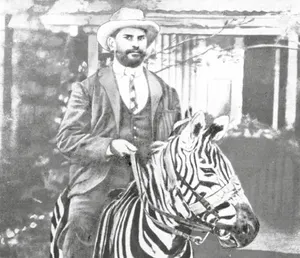
The problems triggered a debate among colonial officials over whether Nairobi should remain where it was. Medical officers and administrators questioned the suitability of the site. Sir Charles Eliot was among those who criticized the original location, arguing that it had been selected without proper consideration of its health conditions. Moving the settlement to higher ground became a serious proposal.
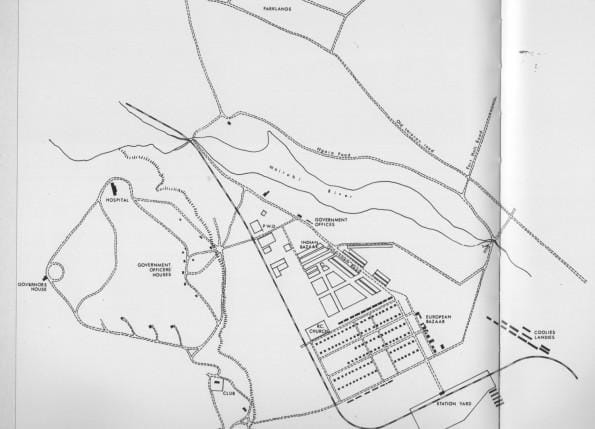
Areas around modern-day Kikuyu were considered as possible alternatives. The debate was not simply about improving drainage. It raised a bigger question about whether the town had been built in the wrong place from the beginning.
By 1906, the argument had reached senior officials in London. On 18 May that year, Sir James Sadler wrote to Winston Churchill, describing Nairobi's difficult conditions and the problems associated with its location. Yet moving the town would have meant abandoning valuable railway infrastructure and taking on enormous costs. The railway authorities had a strong reason to resist relocation.
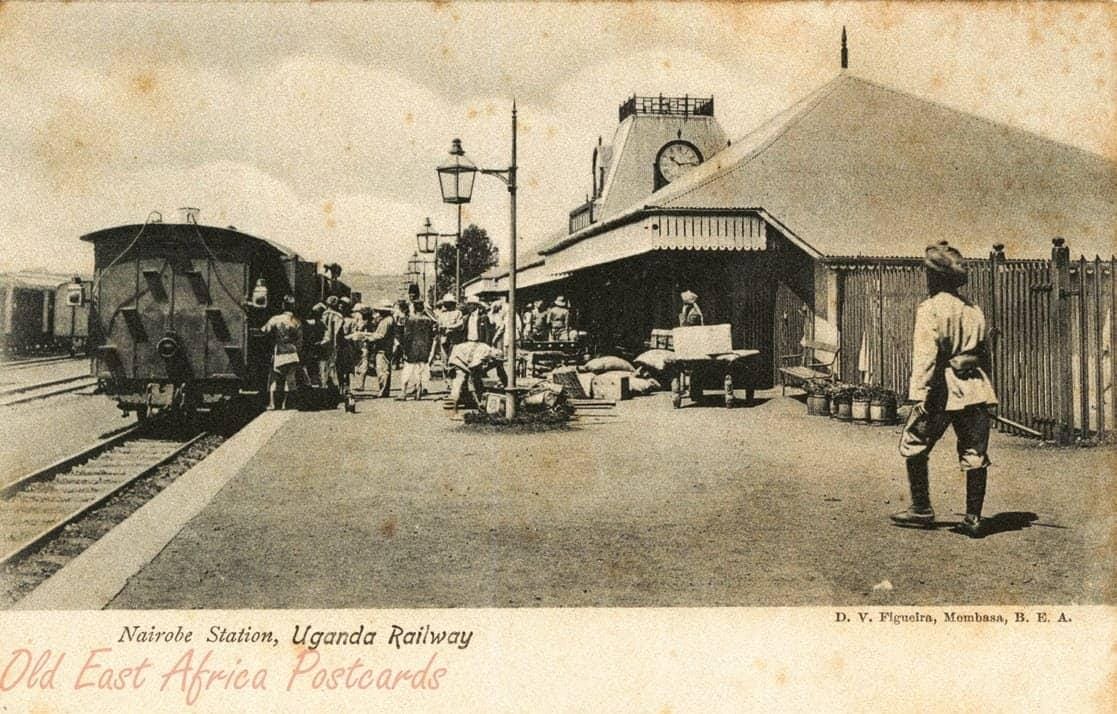
In the end, the administration chose to keep Nairobi where it was and address its problems through drainage and sanitation improvements. That decision shaped the future of the city. Nairobi remained in the low-lying settlement that officials had once considered abandoning, eventually growing into the capital of Kenya.