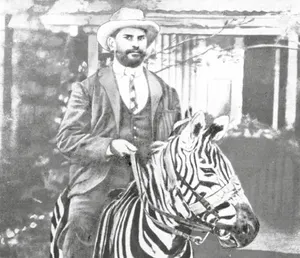

Few characters in Nairobi's history match the sheer eccentricity of Colonel Ewart Grogan, the man who famously walked from Cape Town to Cairo to prove his love to his future wife's skeptical father. When he finally arrived in British East Africa, Grogan brought that same unstoppable ambition to the untamed landscapes of Westlands. In 1904, he acquired 113 acres of premium, forested ridge land and set out to build an architectural masterpiece.
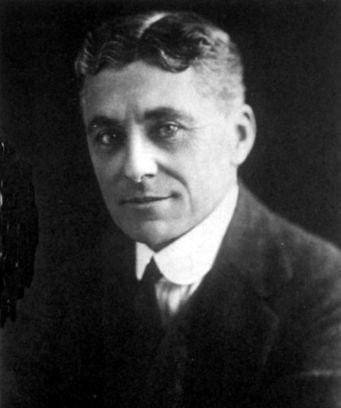
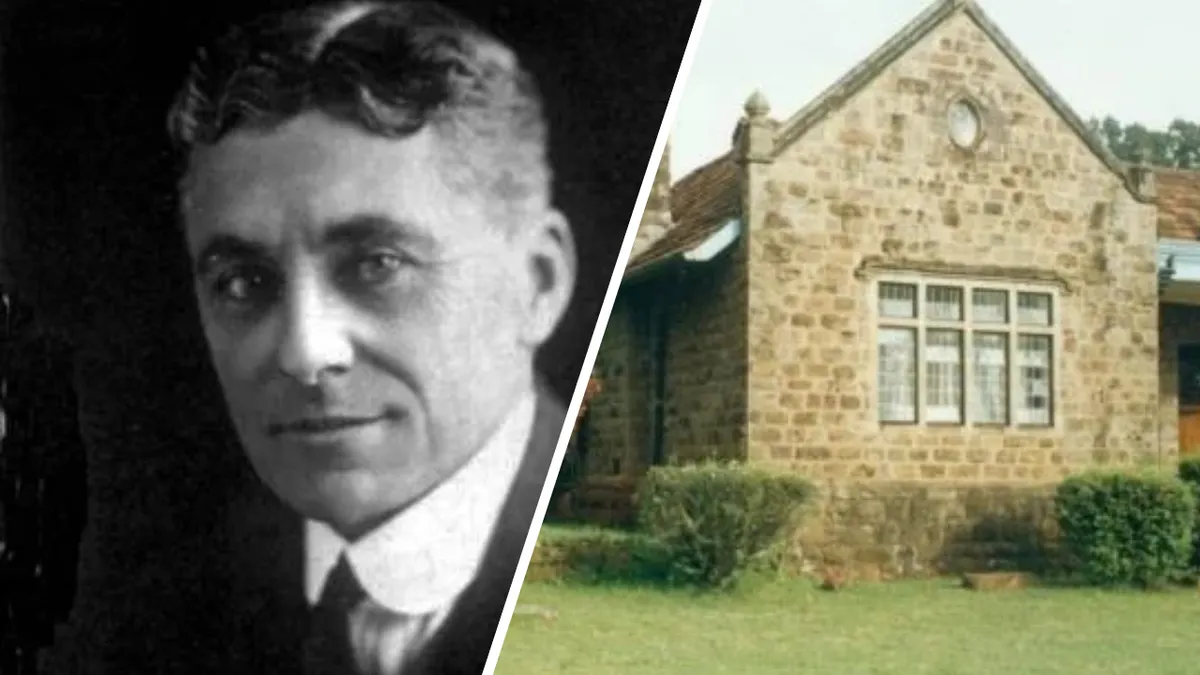
Hiring skilled Indian contractors, Grogan constructed a magnificent, single-story homestead with deep verandahs, a tiled roof, and high ceilings designed to withstand the tropical heat.
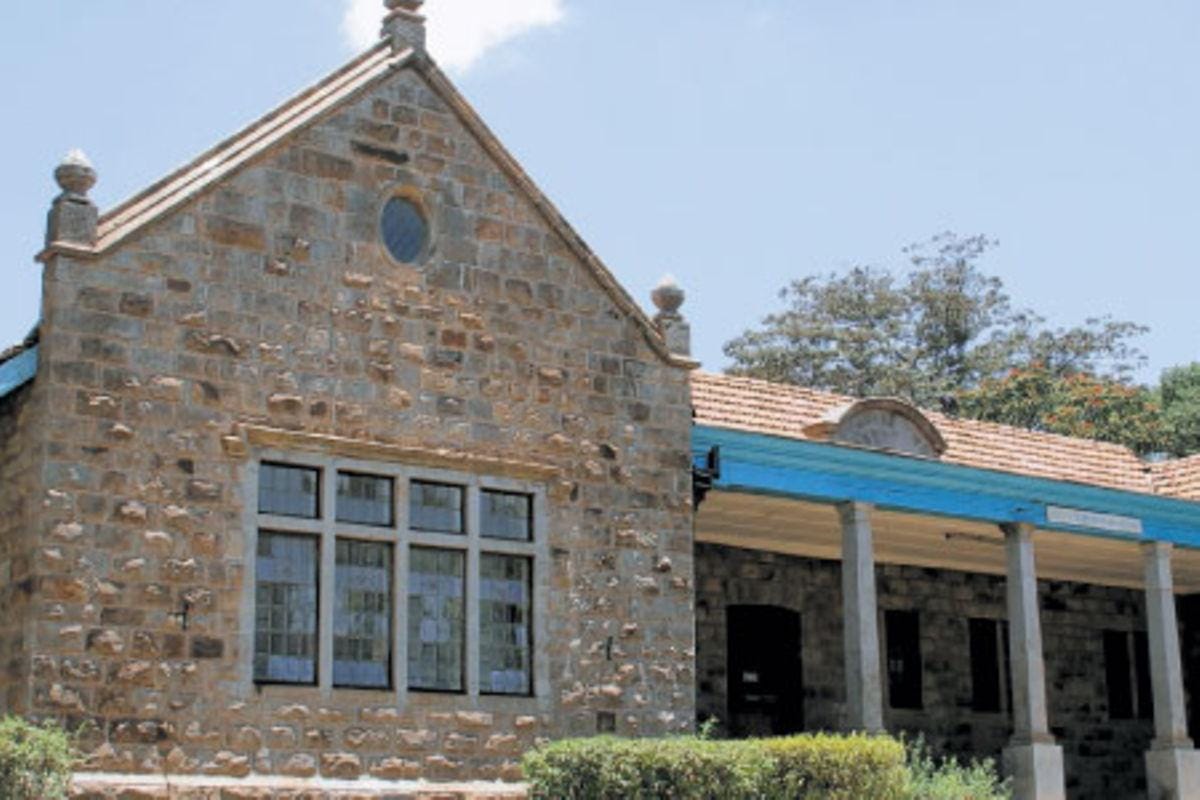
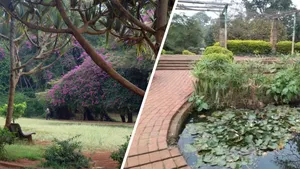
He named the estate Chiromo House, borrowing a word from a village in Malawi that translates roughly to the "joining of the streams." The name was a literal geographic description: his new palace sat exactly where the Nairobi River and the Kirichwa River converged.
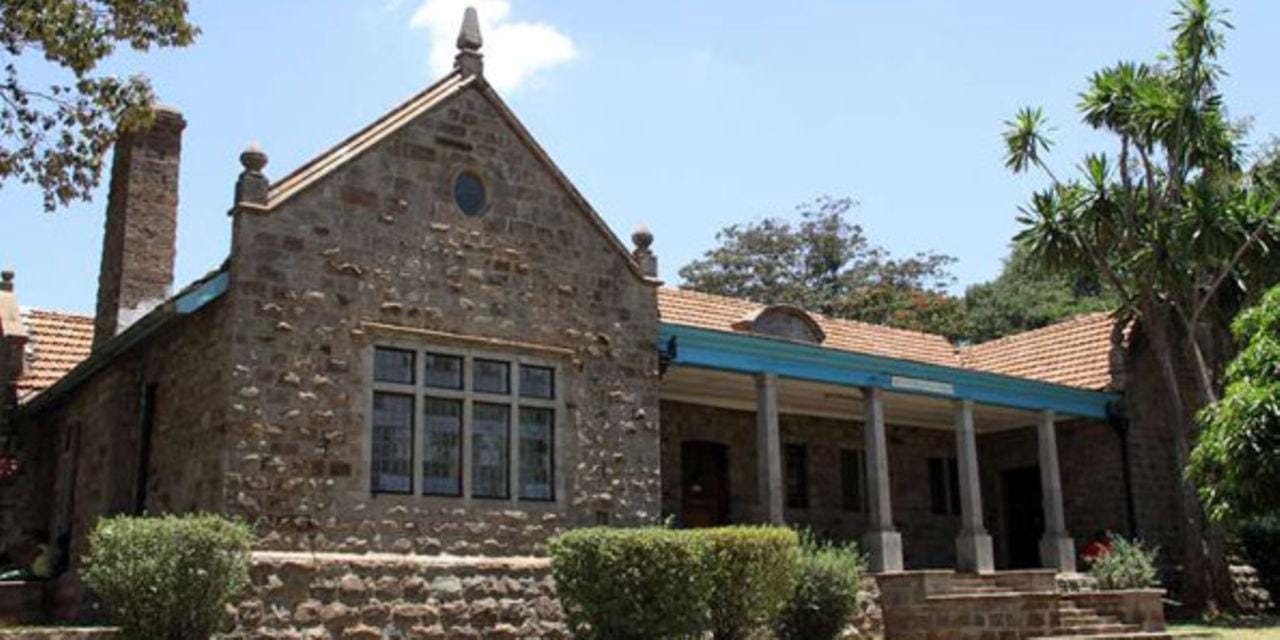
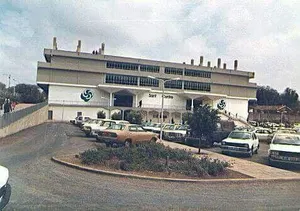
Chiromo House quickly became the playground for Nairobi's early colonial elite, hosting wild parties and high-stakes political meetings that shaped the colony's future. Grogan eventually sold the property, and it later served as a residence for British governors before transitioning into the University of Nairobi's Chiromo Campus.
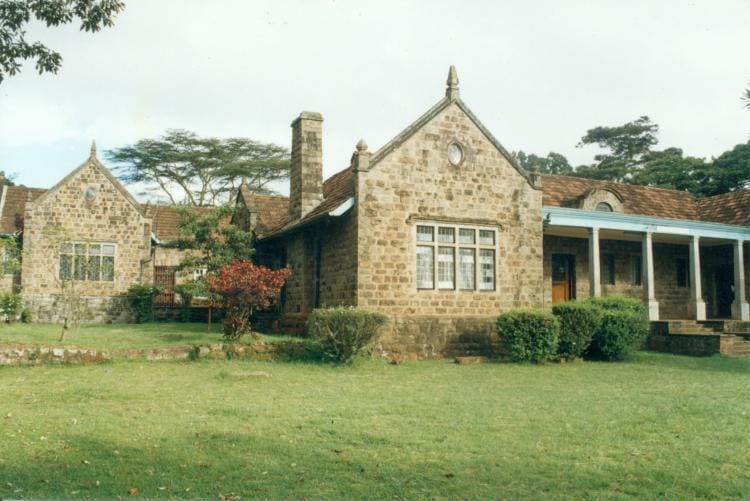
Today, studying Colonel Ewart Grogan Nairobi and the fascinating history of Chiromo house keeps us connected to the structural origins of Westlands and the romanticized joining of the streams meaning.