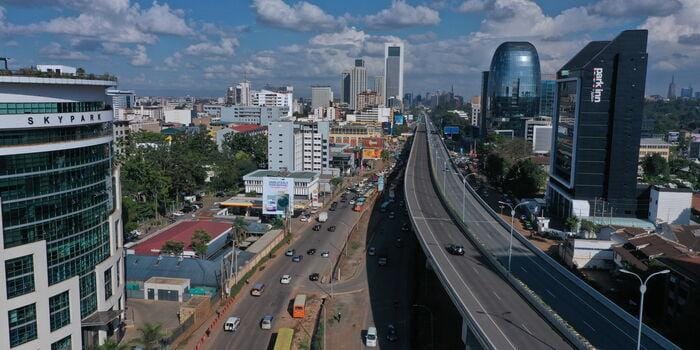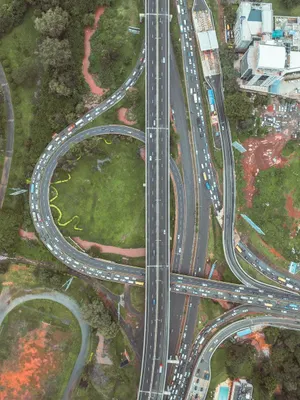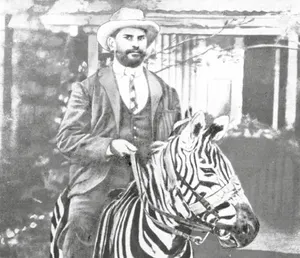

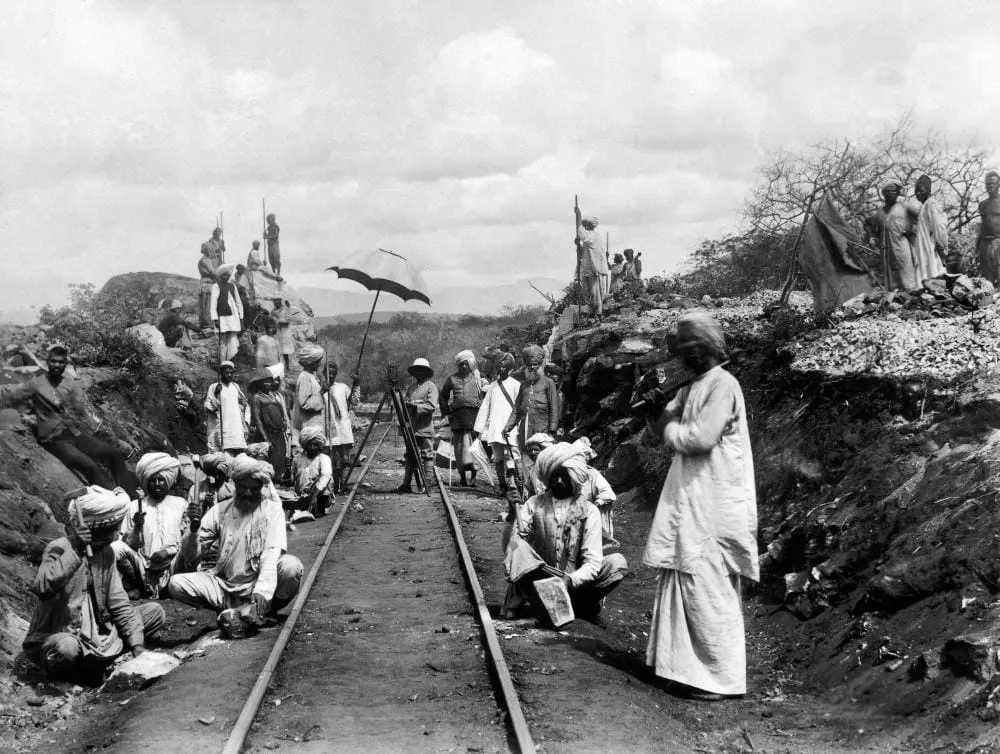
The fast-paced, multi-lane highway we drive on today was never meant to be a major metropolitan road. Its layout was decided entirely by accident at the turn of the twentieth century. As construction crews pushed the Uganda railway route Nairobi up the steep, rugged incline of the Kikuyu Escarpment, engineers encountered massive logistical roadblocks moving heavy equipment, iron rails, and wooden ties to the advancing railhead.
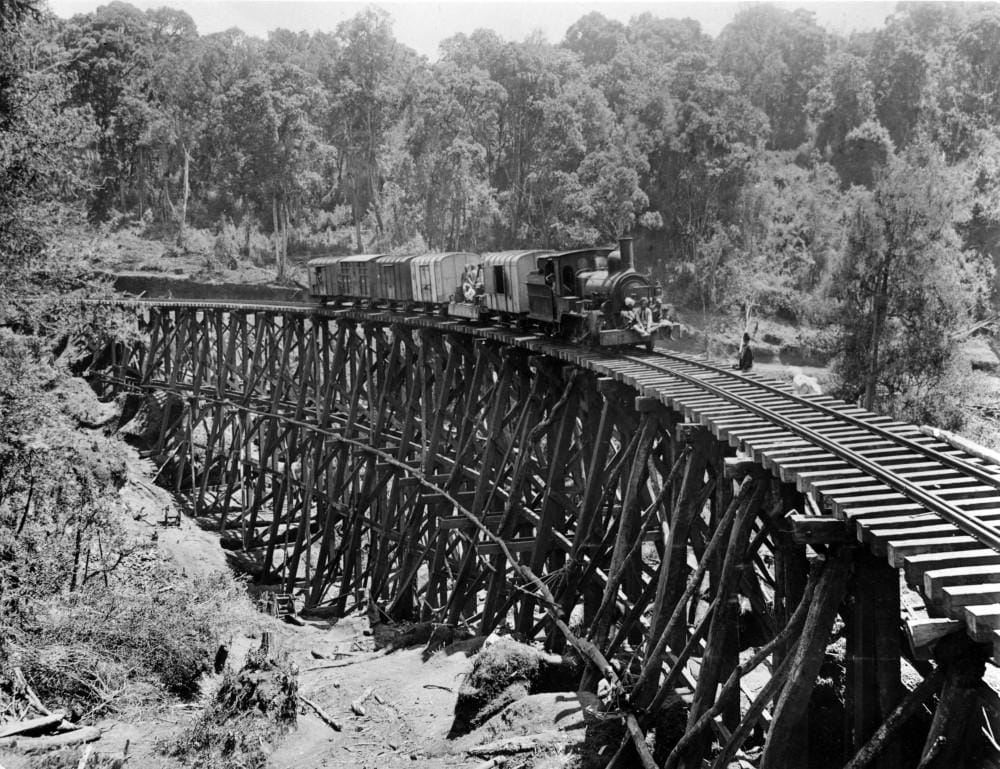
To keep the supply chain moving, laborers and transport crews carved out rough, parallel service pathways along the high ridge lines next to the tracks. These paths quickly became heavily used ox-cart tracks old Nairobi, beaten down by teams of oxen dragging heavy supply wagons through the thick dust and red volcanic mud. Because this specific ridge line offered the gentlest, most natural gradient up the hill toward Kabete, it naturally attracted all transit moving west out of the swampy town center.
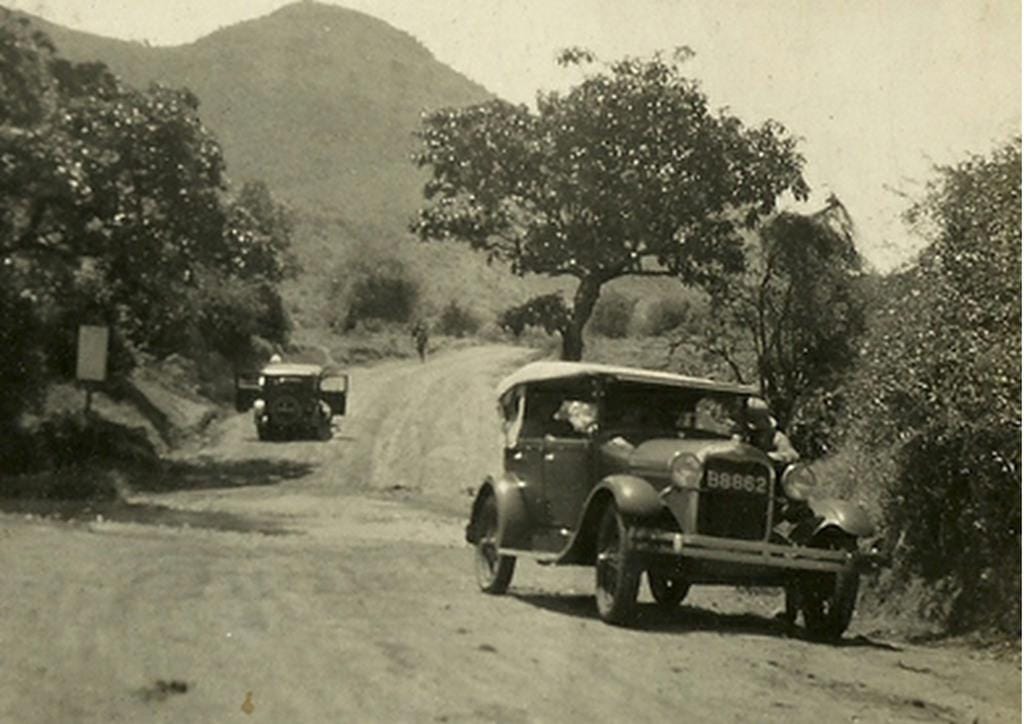
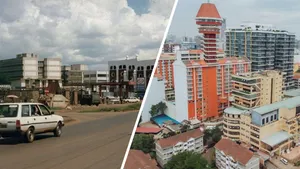
Over the decades, as steam locomotives gave way to early motorcars, this accidental railway service track was systematically widened, graveled, and eventually layered with tarmac. It evolved from a rugged colonial supply route into the primary transport artery of the capital. Uncovering the true origin of Waiyaki way reveals that the structural spine of Westlands' modern commercial empire was dictated by the simple, practical paths beaten out by heavy ox carts over a century ago.