
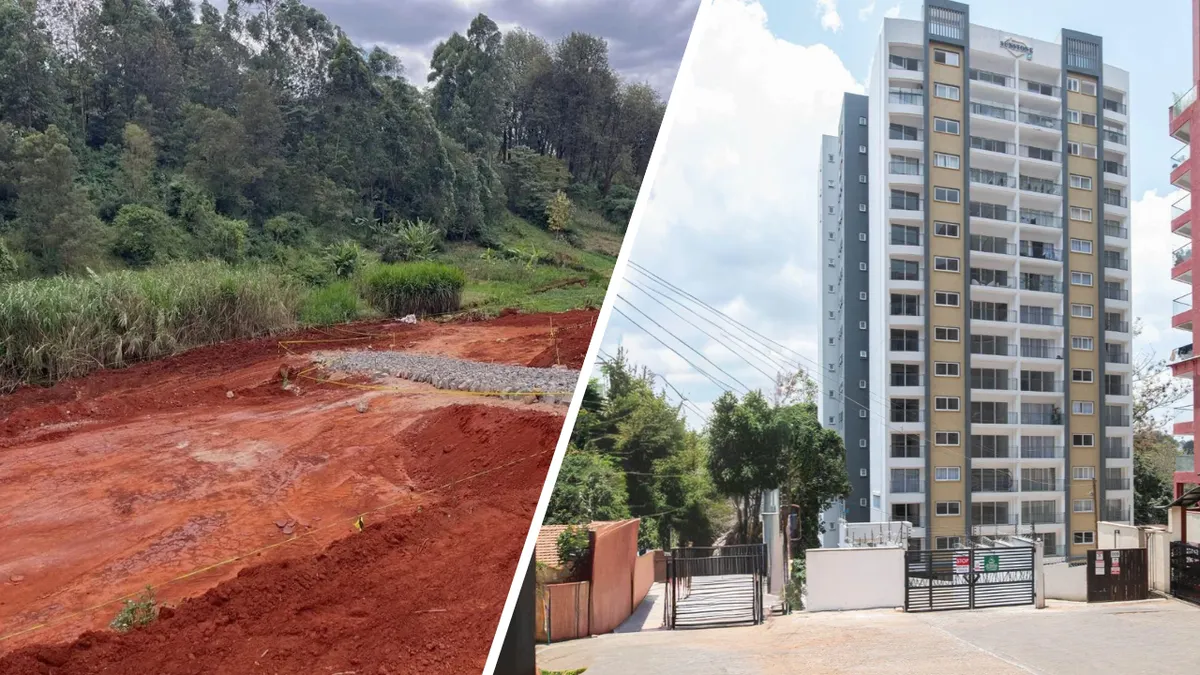
Before it became one of Nairobi's most expensive residential and commercial addresses, the long, winding stretch of General Mathenge Drive was defined entirely by its deep, vibrant red earth. Formed by millions of years of volcanic activity from the Great Rift Valley, this rich, well-drained volcanic soil was highly prized by early agriculturalists. In the early decades of the 1900s, British settlers quickly realised that this specific terrain was perfect for cash crops, leading to the rapid establishment of sprawling coffee plantations that blanketted the area.
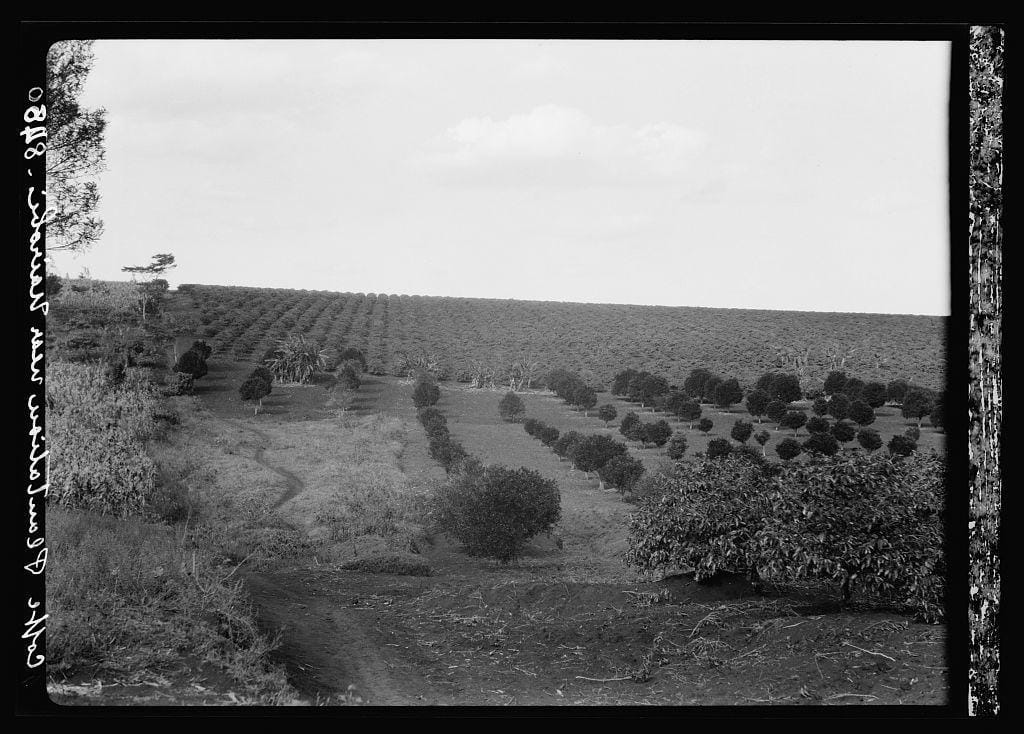
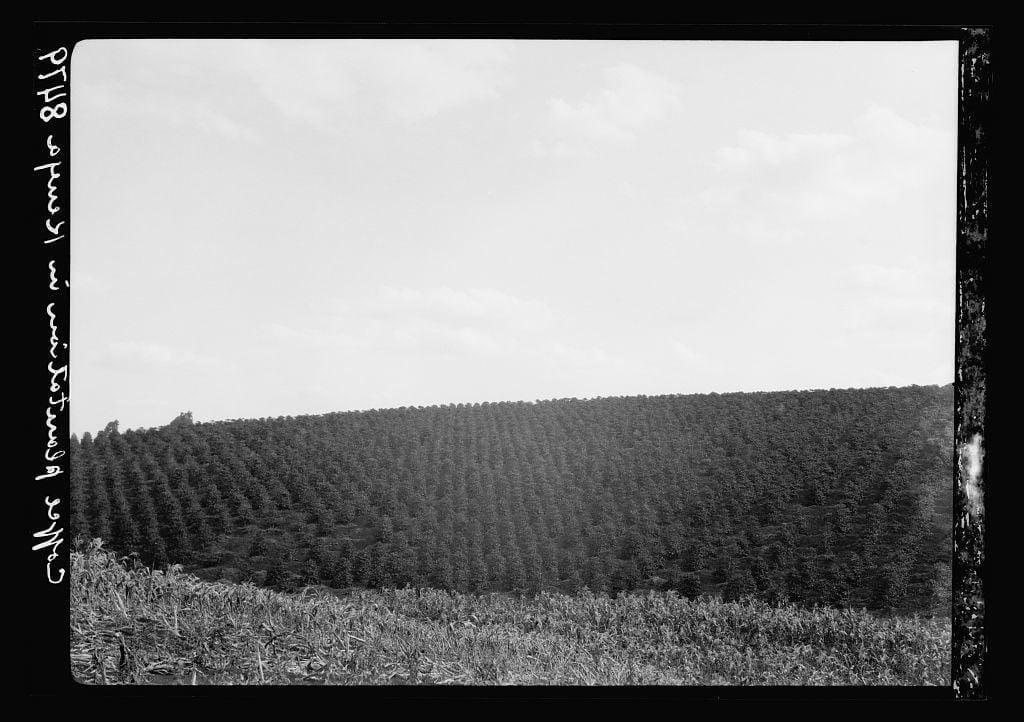
Coffee plantation in colonial-era Kenya, showing rows of coffee trees and agricultural workers during the early twentieth century.
For nearly half a century, the sounds of coffee harvesting and tractors dominated this quiet corner of the suburb. The agricultural success of these estates laid the foundational wealth of early Westlands, funding the roads and infrastructure that eventually replaced the coffee bushes. As the town expanded outward after independence, these massive private family farmlands were systematically subdivided into premium residential plots, drawing prominent multi-generational families to build sprawling villas on the fertile ground.
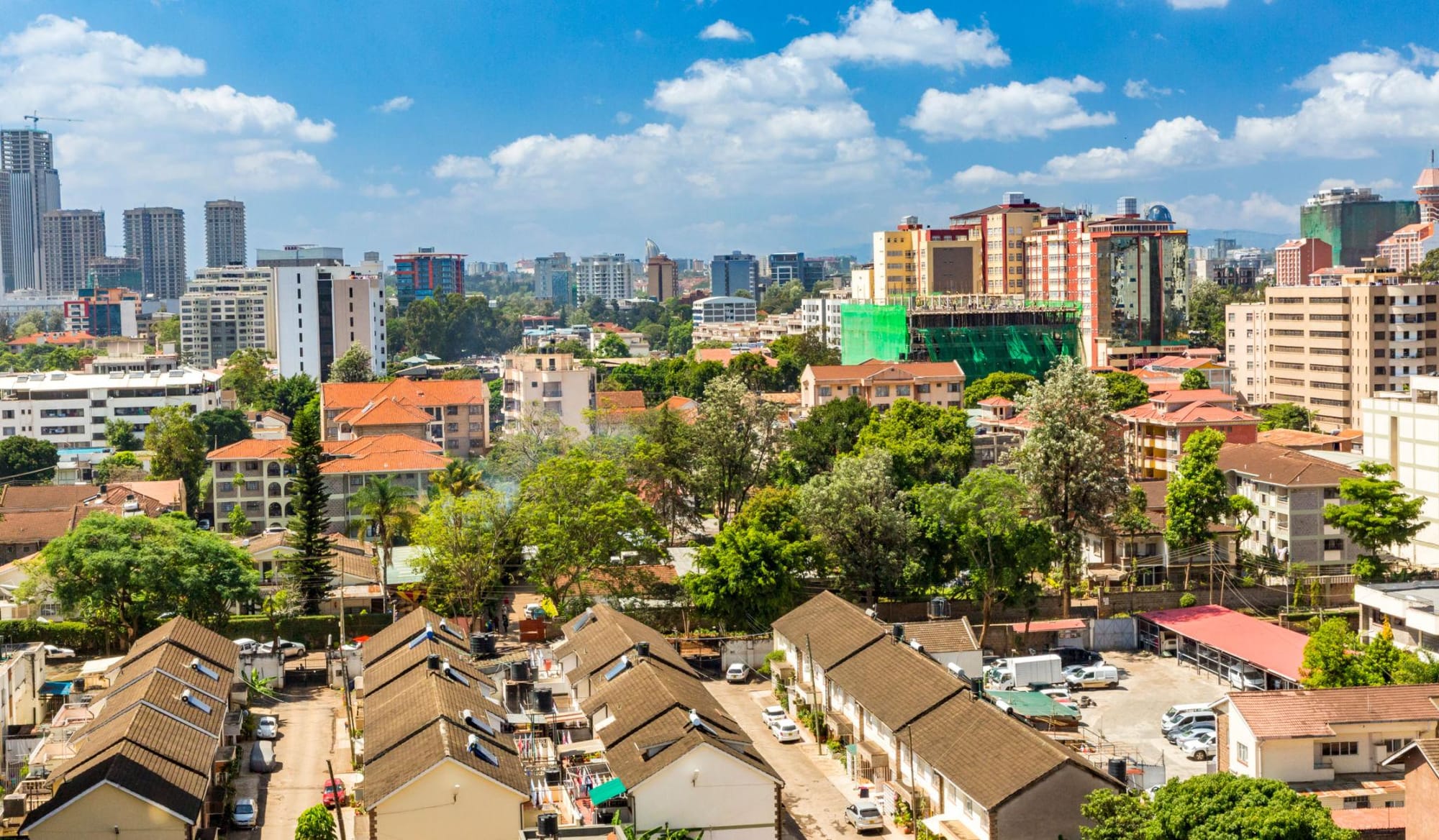
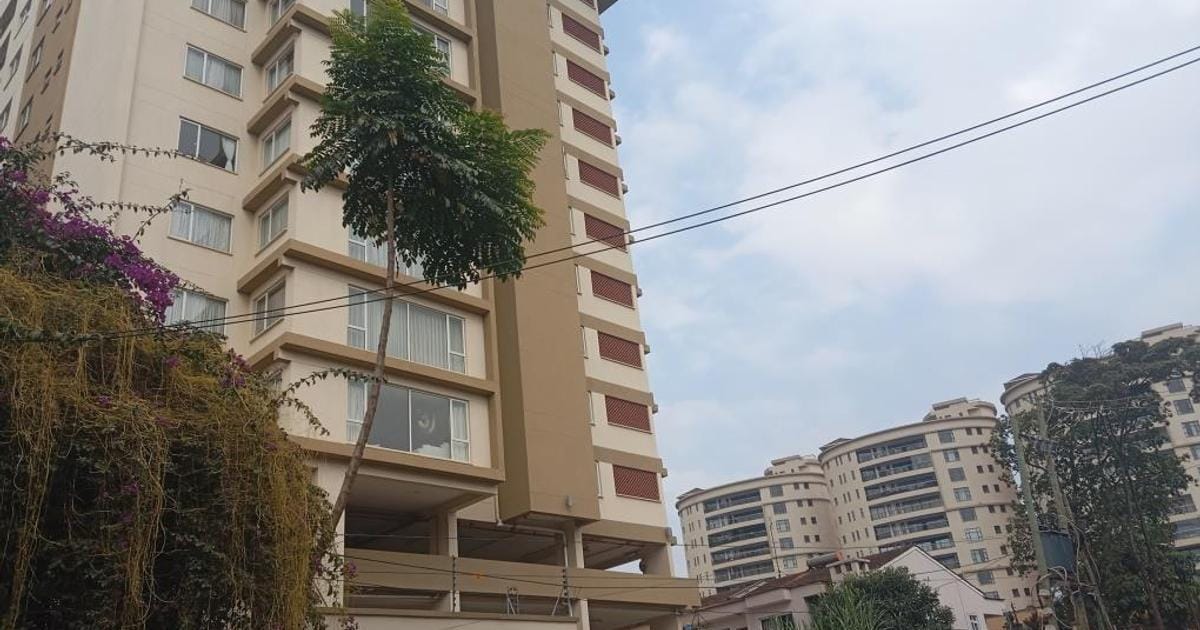
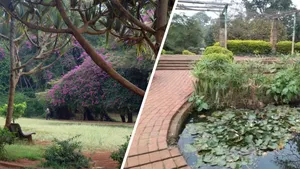
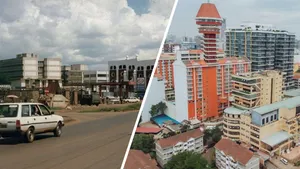
Today, the coffee trees are long gone, replaced by towering luxury apartment blocks and modern shopping complexes. Yet, the distinct, iron-rich earth still peeks through the landscaped gardens of the neighborhood.