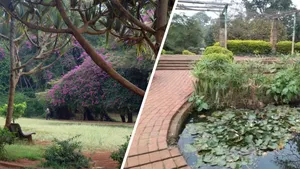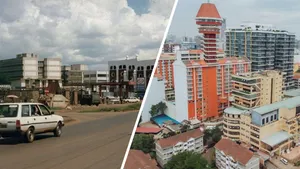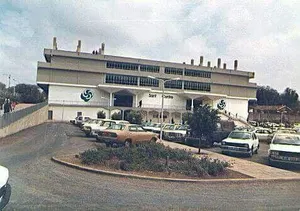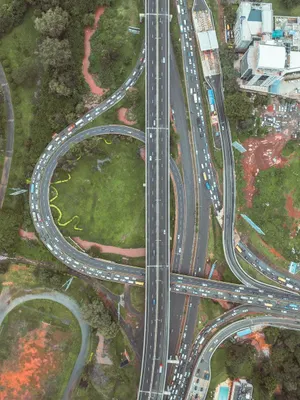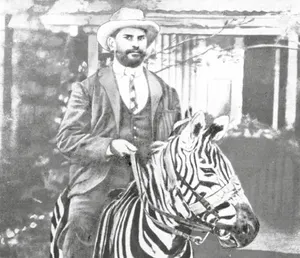

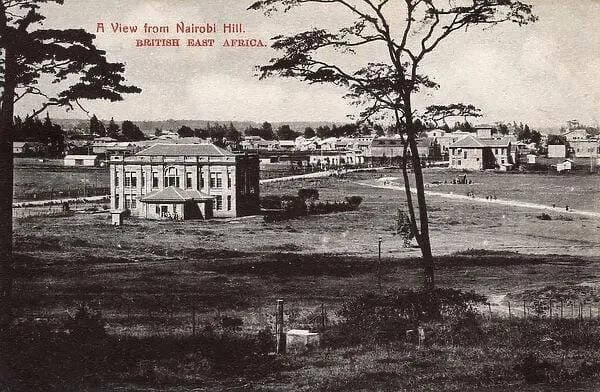
Before it was known as the clubbing and corporate capital of Nairobi, the Maasai called the rolling green ridges of modern Westlands Kirungii Hill. In the late 1800s, this area was not an urban concrete jungle but a vast, elevated wilderness of red soil, sacred fig trees, and sweeping cattle grazing lands.
The transition from indigenous pasture to colonial outpost began entirely because of Nairobi’s notorious lowland malaria epidemics. When the Uganda Railway arrived in 1899, railway engineers foolishly set up camp in a swampy, disease-ridden basin that became the modern CBD. Sick of mud and outbreaks, early administrators scrambled upward toward the cooler, safer elevation of Kirungii Hill, laying down the very first residential blueprints for European settlers. This deliberate geographic shift effectively carved out the socio-economic bubble we recognize today.
The name Kirungii Hill was quickly overwritten by British planners who simply designated the zone as the "lands to the west" of the swampy township. Yet, beneath the glass facades of modern office blocks along Waiyaki Way, the ancient topography remains unchanged.
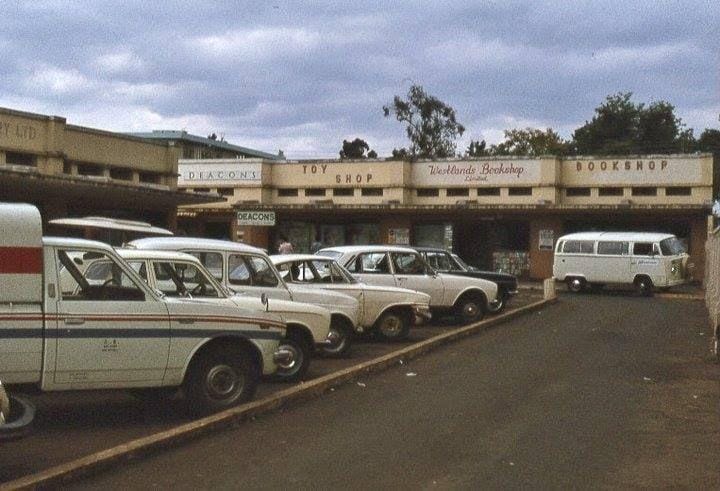
Understanding the indigenous roots of Kirungii Hill history reveals exactly how Westlands got its name, reminding us that Nairobi's trendiest commercial hub was built on a foundation of colonial survival and forgotten old Nairobi indigenous names.