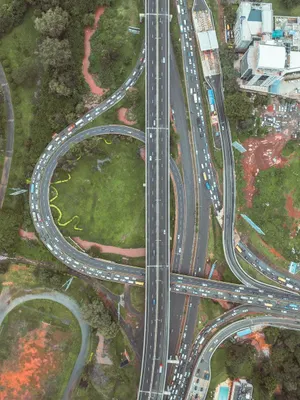

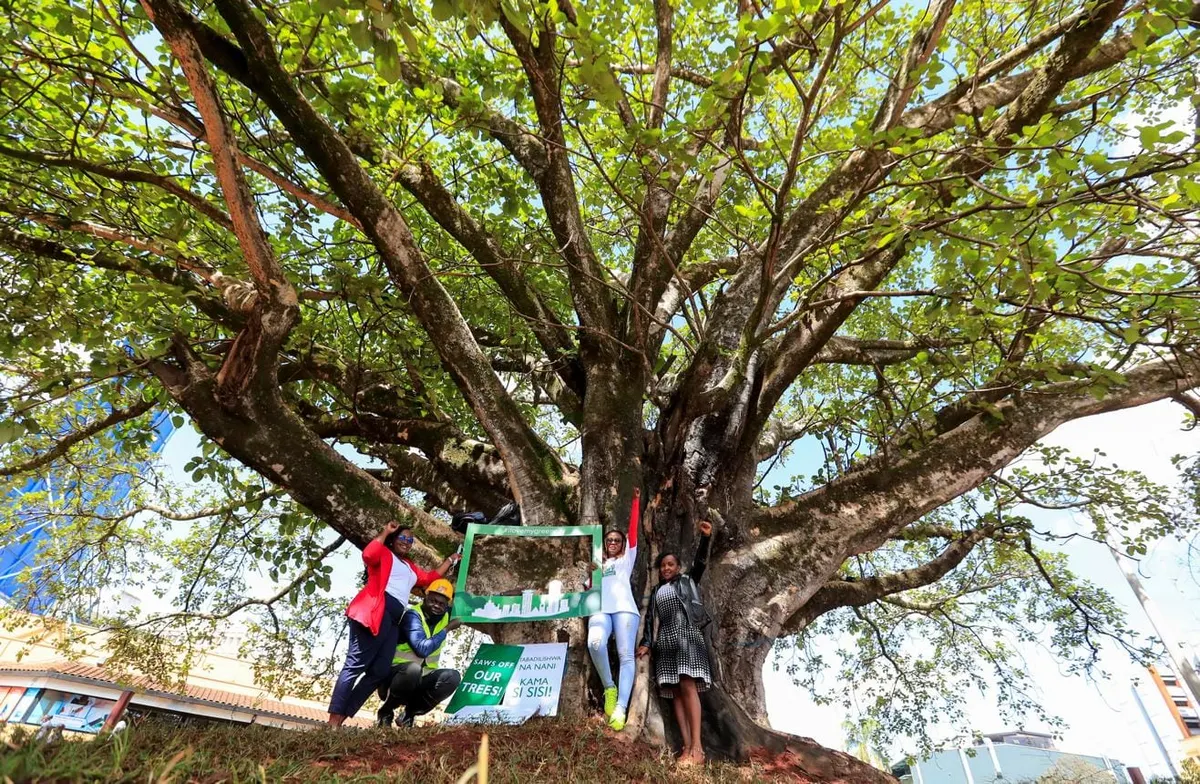
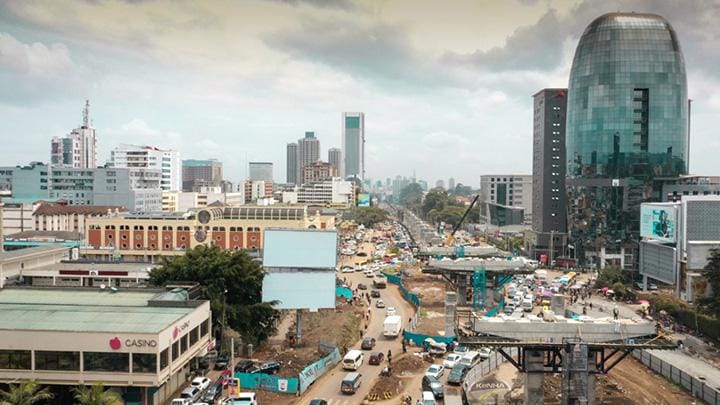
In late 2020, as heavy machinery began tearing up the earth along the main transport corridor to build the Nairobi Expressway, a massive environmental and cultural battle line was drawn in the middle of the road. Engineers mapping out the pillars for the new elevated highway ordered the immediate cutting down of a gigantic, four-story-tall Ficus thonningii, a century-old sacred fig tree standing directly in the project's path near the Westlands roundabout.
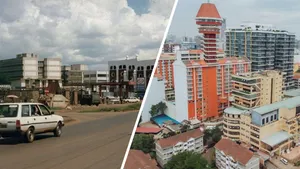
For the local community, this was not just an ordinary piece of urban greenery. The ancient tree was a deeply revered Mugumo, considered a living shrine that had witnessed the entire transformation of Westlands from an indigenous forest into a glass-and-steel commercial hub. When news broke that the historic landmark was scheduled to be chopped into pieces, a wave of public outrage swept through the capital.
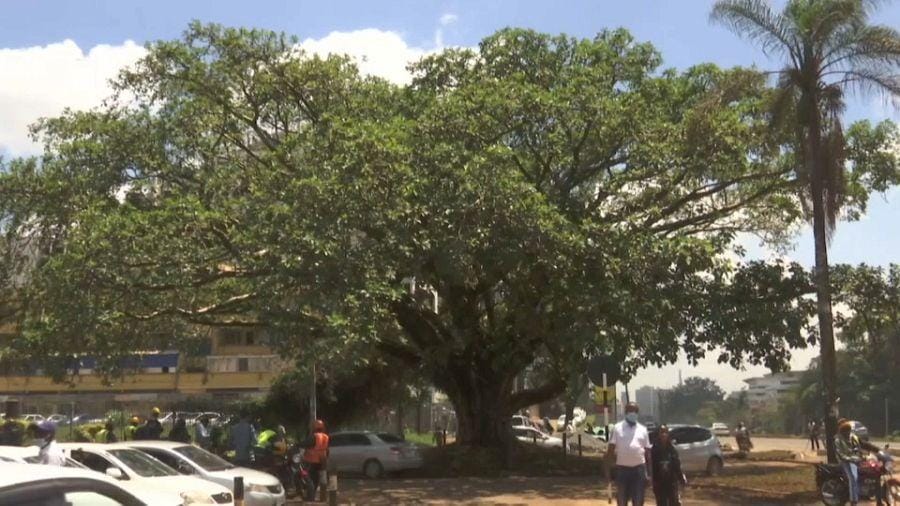
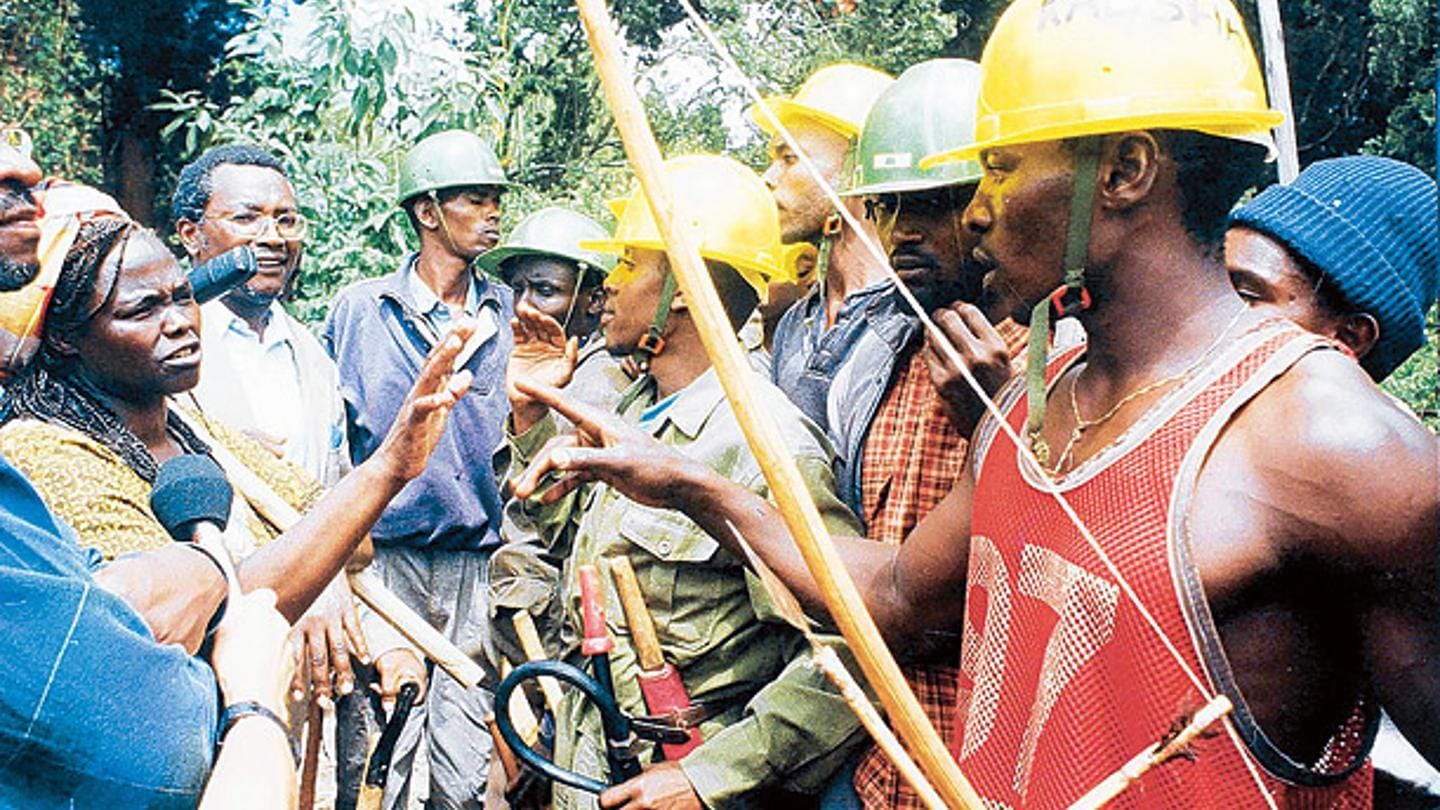
Led by environmental groups and the Wangari Maathai Foundation, activists, community elders, and local residents launched a fierce Waiyaki way fig tree protest. They physically guarded the site, generating massive media coverage that forced the state to intervene. In a historic u-turn, the president signed an official decree declaring the tree a beacon of Kenya's cultural heritage.
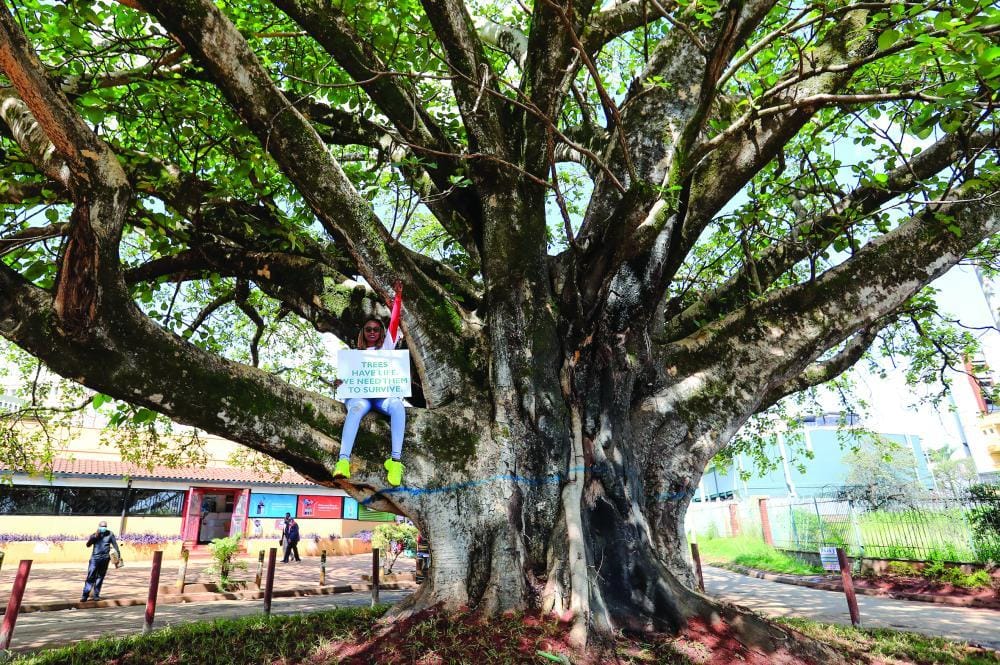
Engineers were forced to completely redesign the Expressway's structural layout, curving the massive concrete pillars around the roots to preserve it. Today, the majestic tree still stands proudly amidst the rushing traffic. Remembering this victory highlights the power of local activism in the Nairobi expressway construction history, proving that the ancient roots of the sacred Mugumo tree Westlands could not be erased by modern development.