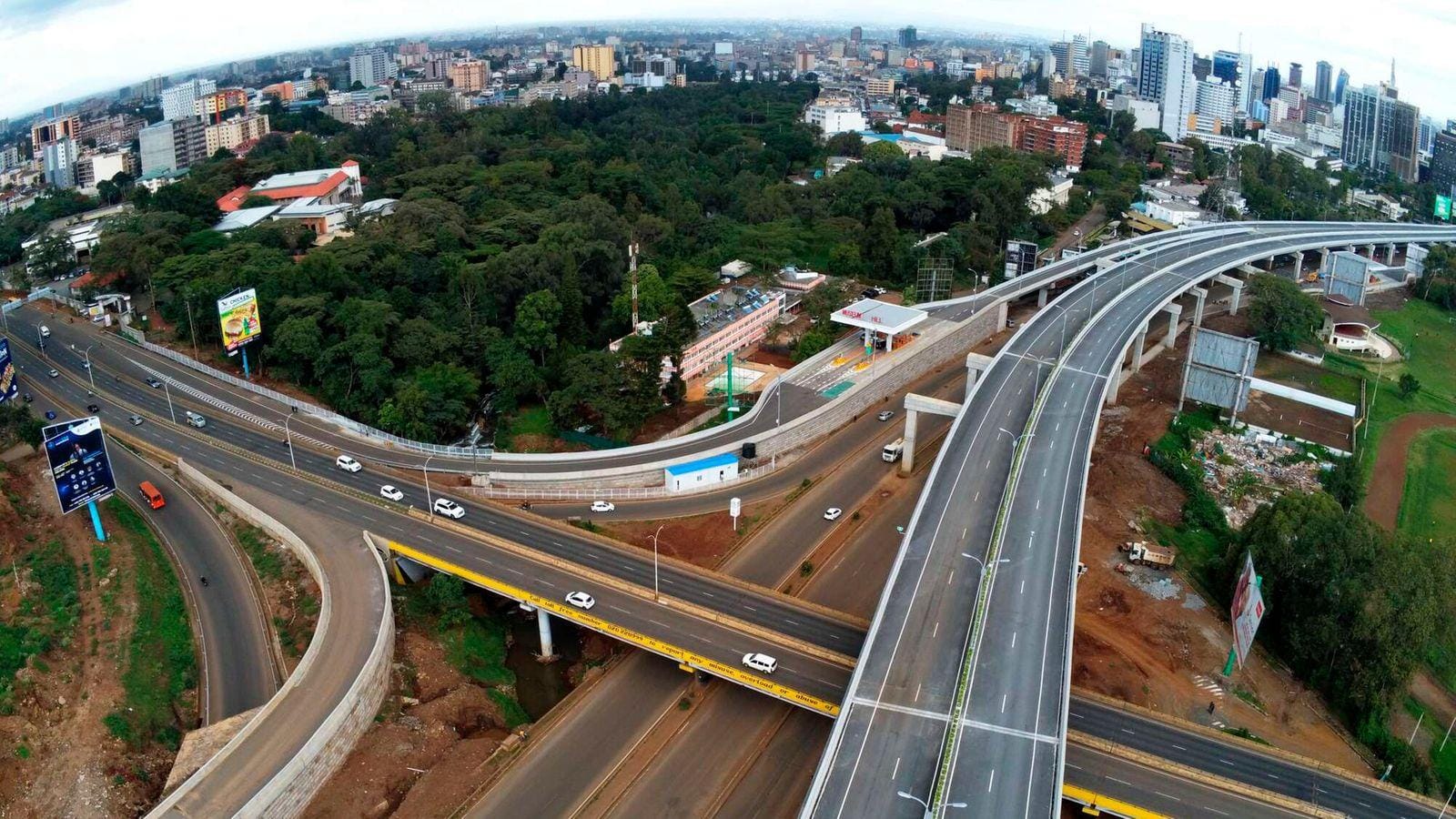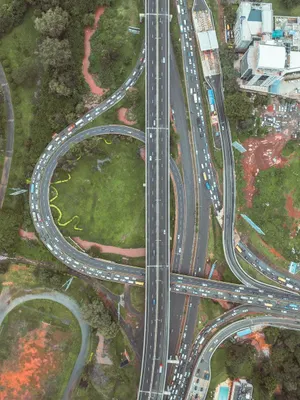

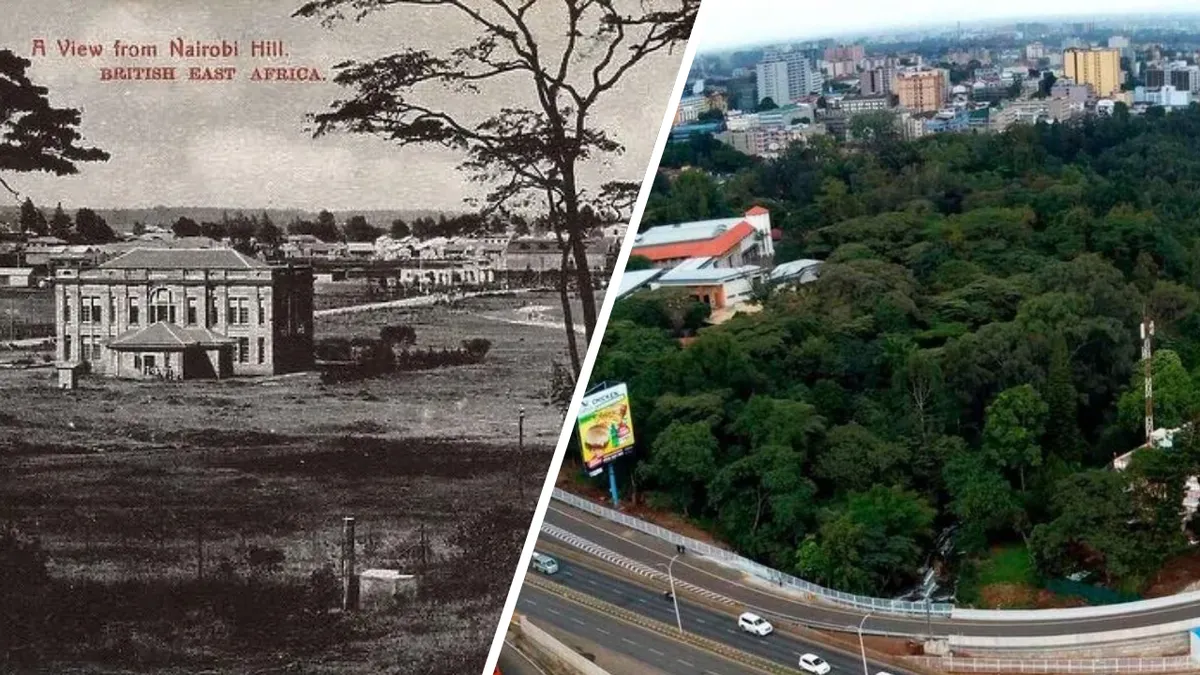
In the early 1900s, crossing the northern boundary of Nairobi’s town center was a genuine safety hazard. At the time, the outer edge of the settlement was anchored by a simple dirt track running parallel to the original railway line, crossing a shallow section of the Nairobi River. This crossing point, which we know today as the busy Museum Hill intersection, was flanked by a thick papyrus swamp that served as a natural, untamed wildlife corridor for animals migrating from the plains.
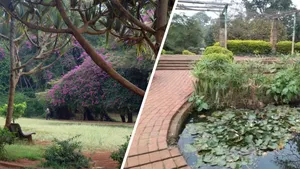
Because the dense bush of the nearby Parklands forest offered perfect cover, wild lions frequently roamed the area to hunt for easy prey. Early municipal records show that the big cats regularly stalked the banks of the river, occasionally wandering right up to the outposts of the early town and forcing residents to carry firearms for basic nighttime travel. The danger was so persistent that when Sub-Commissioner John Ainsworth built a basic wooden bridge across the river to open up access to the new Parklands suburb, guards had to keep a sharp eye out for predators hiding in the reeds.
As the town grew, the roaring of the lions slowly faded into the background, replaced by the chugging of early steam trains climbing up Kirungii Hill. Uncovering the wild background of Museum Hill bridge history reveals the raw, untamed landscape that preceded our modern highways, reminding us that Nairobi’s trendiest corporate entrance was once a territory ruled entirely by apex predators.